






A Natural Defence Against Dampness
The rainy season in India transforms the landscape, but it also sends household humidity levels soaring. This excess moisture can lead to musty odours, damage to wooden furniture, and even encourage the growth of mould and mildew. While electric dehumidifiers
are an option, nature offers a quieter, more aesthetic solution. Certain indoor plants have a remarkable ability to absorb moisture from the air, while simple clay devices can help manage dampness in enclosed spaces. These natural methods work best to complement good ventilation practices, like opening windows when the air outside is drier and using exhaust fans. Integrating them into your home not only tackles humidity but also adds a touch of green serenity.
1. The Peace Lily
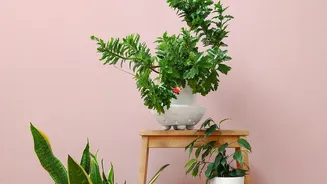
Known for its elegant white flowers and glossy leaves, the Peace Lily is a popular choice for a reason. It is exceptional at absorbing moisture through its leaves. Because it thrives in tropical, humid conditions, it's perfectly suited for managing the damp air in bathrooms and kitchens. This plant is also relatively low-maintenance, preferring indirect light and consistently moist soil. Beyond its dehumidifying properties, the Peace Lily is also renowned for its ability to filter common indoor air pollutants, making your home's air both fresher and cleaner.
2. The Snake Plant
The Snake Plant, or Mother-in-Law's Tongue, is one of the hardiest indoor plants available, making it perfect for beginners. Its tall, architectural leaves are adept at absorbing excess moisture from the air while also releasing oxygen at night. This plant is incredibly resilient and can tolerate infrequent watering and low-light conditions, making it a versatile choice for various spots around the house. Its ability to help balance humidity levels while requiring minimal care makes it a functional and stylish addition to any room during the damp monsoon months.
3. The Boston Fern
With its lush, feathery fronds, the Boston Fern is a classic plant that loves humidity. This affinity for moisture makes it an excellent natural dehumidifier, as it readily absorbs water from the surrounding air. These ferns are particularly effective in bathrooms with some natural light or on a shaded balcony where humidity tends to collect. To keep a Boston Fern happy, ensure its soil stays consistently moist and place it in a spot with bright, indirect sunlight. It not only helps regulate indoor humidity but also adds a vibrant touch of the tropical forest to your home.
4. The Spider Plant
The cheerful and easy-to-grow Spider Plant is another great ally in the fight against household dampness. Its arching leaves are efficient at absorbing moisture, and it’s known for being one of the most adaptable houseplants. Spider Plants thrive in humid environments like kitchens and bathrooms and are very forgiving if you occasionally forget to water them. They also produce small ‘spiderettes’, or baby plants, that can be easily repotted, allowing you to spread their dehumidifying and air-purifying benefits throughout your home.
5. English Ivy
English Ivy is a beautiful trailing vine that is particularly effective at absorbing airborne moisture. This makes it an ideal choice for hanging baskets or placing on high shelves, especially in smaller apartments where floor space is limited. It is known to perform well in the humid conditions often found in kitchens and bathrooms. Beyond just tackling humidity, some studies suggest it helps reduce airborne mould particles that can thrive in damp environments, offering an extra layer of protection during the rainy season. It prefers bright, indirect light and moderate watering to flourish.
The Silent Power of Clay Dehumidifiers
Beyond plants, another simple and eco-friendly tool is the clay dehumidifier. Often made from natural bentonite clay or terracotta, these devices work by absorbing water vapour from the air into their porous structure. While they aren't powerful enough to dehumidify a large living room, they are highly effective in small, enclosed spaces that are prone to dampness and musty smells, such as wardrobes, cabinets, and shoe racks. These dehumidifiers are silent, require no electricity, and are reusable—once saturated, they can be 'recharged' by drying them out in the sun. They offer a cost-effective and natural way to protect clothes, documents, and other stored items from the damaging effects of excess moisture.