





When the air outside is thick with smog, a simple question becomes surprisingly complex: should you open your windows for fresh air or seal them shut? This guide breaks down how to protect your indoor air quality when pollution is high.
The Open-vs-Closed Dilemma
The instinct to
air out a stuffy room is a healthy one. Ventilation is crucial for flushing out indoor pollutants. However, during a severe smog event, opening a window can feel like inviting the enemy inside. The core of the problem is a trade-off. Keeping windows shut protects you from dangerous outdoor particles like PM2.5, which are fine enough to enter your lungs and even your bloodstream. But sealing your home creates a different problem: the buildup of indoor pollutants. Everyday activities like breathing, cooking, and using cleaning products release compounds into the air. Without ventilation, concentrations of carbon dioxide (CO2) and volatile organic compounds (VOCs) can rise to unhealthy levels. Making the right decision isn't about a simple 'always open' or 'always closed' rule; it's about a smart, informed strategy.
When to Keep Windows Firmly Shut
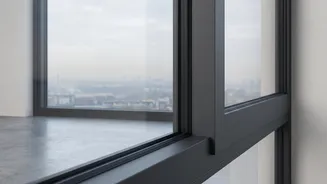
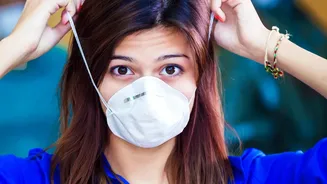
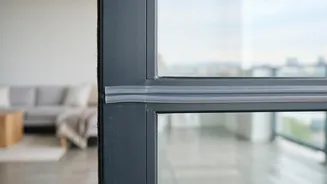
The primary reason to keep windows closed during a smog event is to minimize your exposure to outdoor pollutants, especially fine particulate matter (PM2.5). These microscopic particles are a major component of smog and haze and pose significant health risks. As a general rule, you should use the Air Quality Index (AQI) as your guide. When the AQI rises above 100, it's time to be cautious. If the AQI is between 101 and 150, which is 'Unhealthy for Sensitive Groups', people with respiratory conditions, children, and older adults should keep windows closed. Once the AQI surpasses 151 ('Unhealthy'), everyone should keep their windows shut. It is a myth that closed windows create an impenetrable barrier. Studies show that even with windows and doors shut, indoor PM2.5 levels can still reach 50-60% of the outdoor concentration, as particles infiltrate through cracks and gaps. Closing them is the first and most important step, but it doesn't solve the problem entirely.
The Hidden Risk of a Sealed Home
While keeping pollution out is the priority on smoggy days, a completely sealed home can become a container for its own set of unhealthy pollutants. Every time you exhale, you release CO2. In a poorly ventilated room with several people, CO2 levels can quickly rise above 1,000 parts per million (ppm), leading to symptoms like headaches, drowsiness, and difficulty concentrating. Beyond CO2, daily household activities release VOCs from sources like cleaning products, air fresheners, new furniture, and even cooking. Without any fresh air exchange, these chemicals accumulate. In fact, indoor air can sometimes be two to five times more polluted than the air outside, especially in modern, energy-efficient buildings designed to be airtight. This is why a strategy of 'always closed' is not sustainable for long periods.
A Strategy for Bad Air Days
So, how do you balance these competing risks? The answer lies in 'strategic ventilation'. This means finding brief windows of opportunity to air out your home when outdoor pollution temporarily dips. Air quality can fluctuate throughout the day. For example, pollutants like ozone often peak in the hot afternoon, while smoke may settle closer to the ground overnight and in the early morning. Check your local AQI tracker frequently. If you see a period where the AQI drops to a 'Moderate' level (51-100) or lower, that's your chance. Open windows on opposite sides of the house for just 10–15 minutes to create a cross–breeze. This can be enough to significantly reduce indoor CO2 and VOC levels without letting in an overwhelming amount of outdoor pollution. After this short burst of ventilation, seal the house again.
Your Indoor Air Quality Toolkit
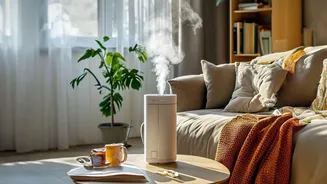
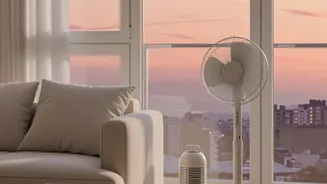
On days when the AQI is dangerously high and strategic ventilation isn't an option, you need other tools to manage your indoor environment. Air purifiers with HEPA filters are highly effective at capturing airborne particles that have seeped in from outside. They can run with windows closed to continuously clean the air inside a room. Some people wonder if purifiers work with windows open; they do, but their efficiency drops as they have to constantly clean new pollutants entering from outside. During severe smog, it's best to keep windows closed and let the purifier clean the sealed space. Additionally, use exhaust fans in your kitchen and bathroom to remove moisture and pollutants from cooking and showering directly at the source. Finally, avoid activities that create more indoor pollution, such as burning candles or incense, using strong aerosol sprays, and frying food.