




From Afterthought to Main Attraction
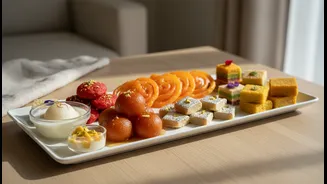
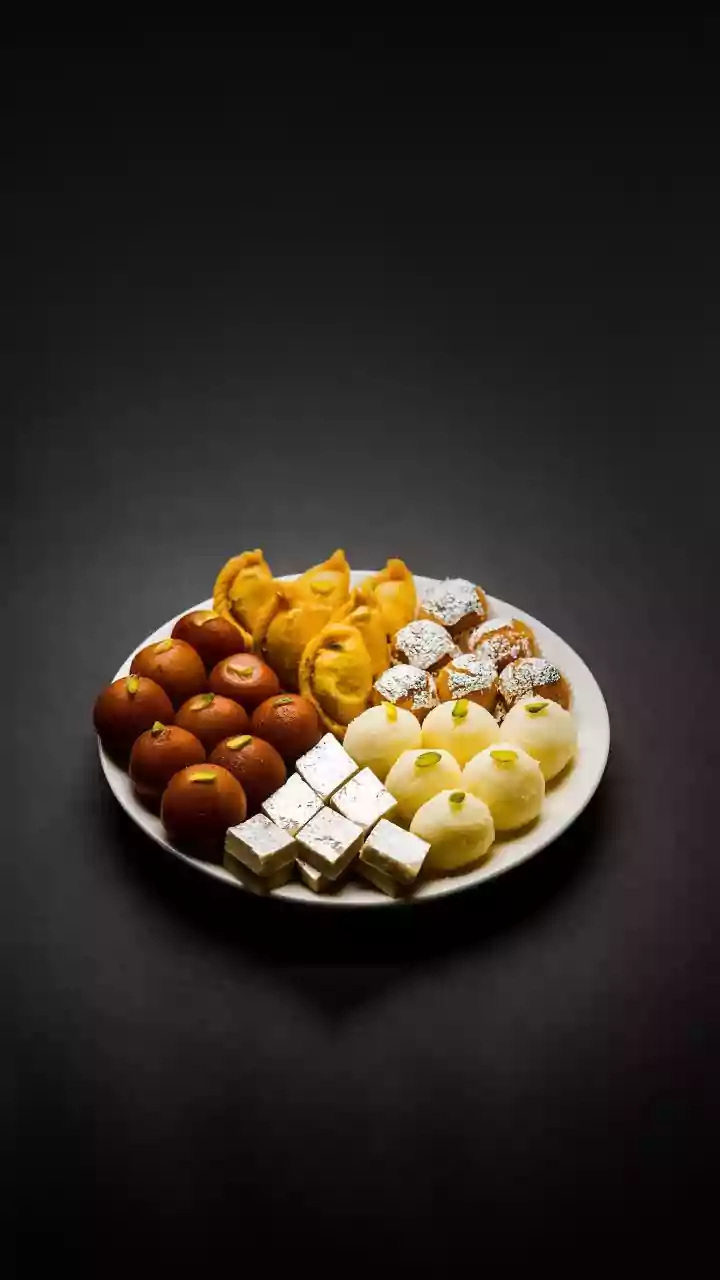
Think back on countless restaurant meals that ended with a familiar, almost obligatory, choice between gulab jamun and a scoop of ice cream. While delicious, these options represented just a fraction of India's vast dessert landscape. Today, chefs and restaurateurs
are digging deep into the country's culinary heritage, unearthing a treasure trove of regional mithai and presenting them with newfound pride. This isn't just about adding more options; it's a fundamental shift in perception. Desserts are no longer a footnote but a grand finale, a celebration of regional identity and culinary artistry. From the bustling streets of Old Delhi to the fine-dining tables of Mumbai, hyper-local sweets are being given a platform, encouraging diners to explore a richer, more diverse flavour map of India.
The Stars of the Sweet Scene
At the forefront of this trend are sweets that offer unique textures and stories. Take Daulat ki Chaat, a winter delicacy from Delhi. This ethereal, cloud-like dessert, made from churned milk foam, was once a seasonal street-side treat. Now, chefs like Manish Mehrotra of Indian Accent have famously brought it to the world of fine dining, complete with dramatic presentations that honour its name, which translates to "a snack of wealth". Similarly, Ghevar, a complex, disc-shaped sweet from Rajasthan traditionally enjoyed during the Teej festival, is appearing on menus year-round. Chefs are experimenting by pairing it with fresh fruits, rabri, and even chocolate, transforming the festive special into a contemporary dessert plate. Other stars include the flaky Goan Patoleo, the baked Chhena Poda from Odisha, and Bengal's delicate Patishapta.
Chefs as Cultural Curators
This revival is being driven by a generation of chefs who see themselves as more than just cooks; they are culinary storytellers and cultural curators. They are travelling to the far corners of the country, researching heirloom recipes, and finding innovative ways to present them to a modern audience. The goal isn't necessarily to change the soul of the dessert but to refine its presentation and balance its flavours for a contemporary palate. This might mean deconstructing a classic, like a Motichoor Laddoo parfait, or using modern techniques to make a traditionally heavy sweet lighter and more approachable. This approach bridges the gap between nostalgia and novelty, making century-old recipes exciting for a new generation of food lovers.
A Craving for Authenticity and Innovation
So, why is this happening now? Several factors are at play. There is a growing diner demand for authenticity and a deeper connection to culinary roots. People are moving beyond generic "Indian food" and are eager to explore the specific flavours of Bengal, Karnataka, Uttarakhand, and beyond. Furthermore, the visual appeal of these unique sweets makes them perfect for the social media age. A beautifully presented Ghevar or a frothy Daulat ki Chaat is not just a dessert; it's a shareable experience. Chefs are also cleverly fusing Indian sweets with global formats, leading to creations like Gulab Jamun cheesecake and Rasmalai tres leches cake, which serve as a gateway for the uninitiated while delighting connoisseurs.