

The Gravity of the Situation
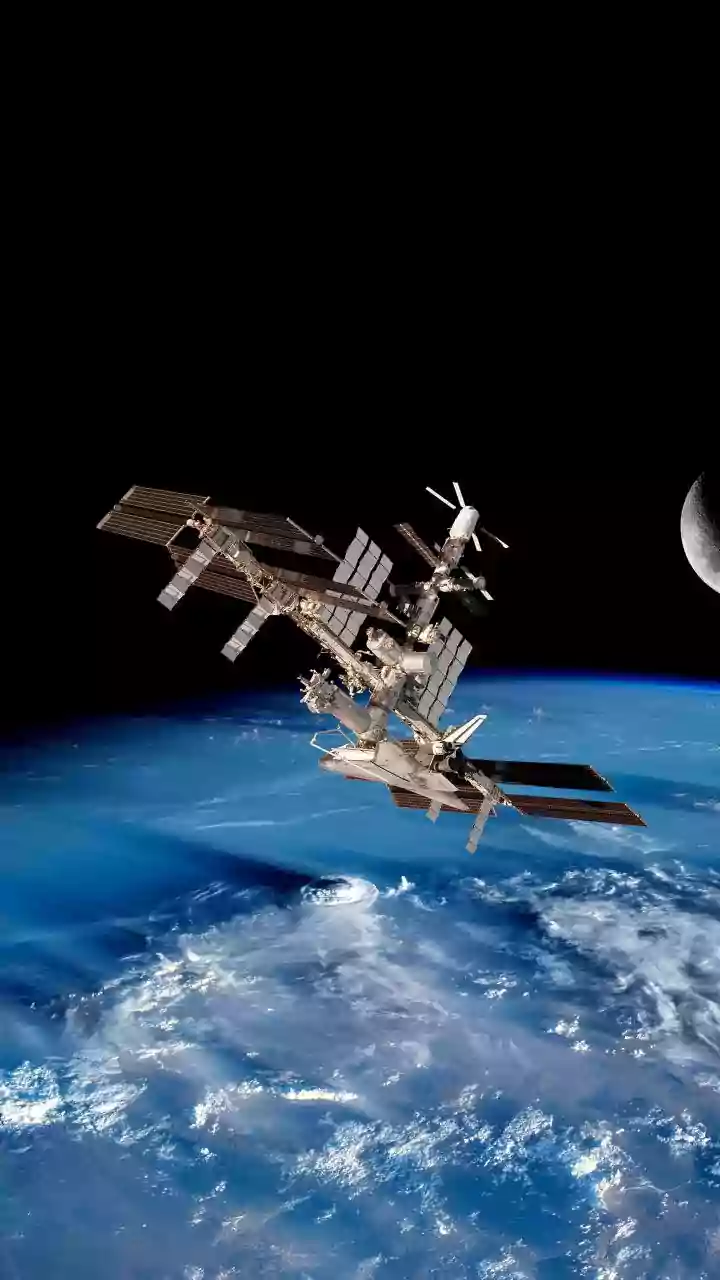
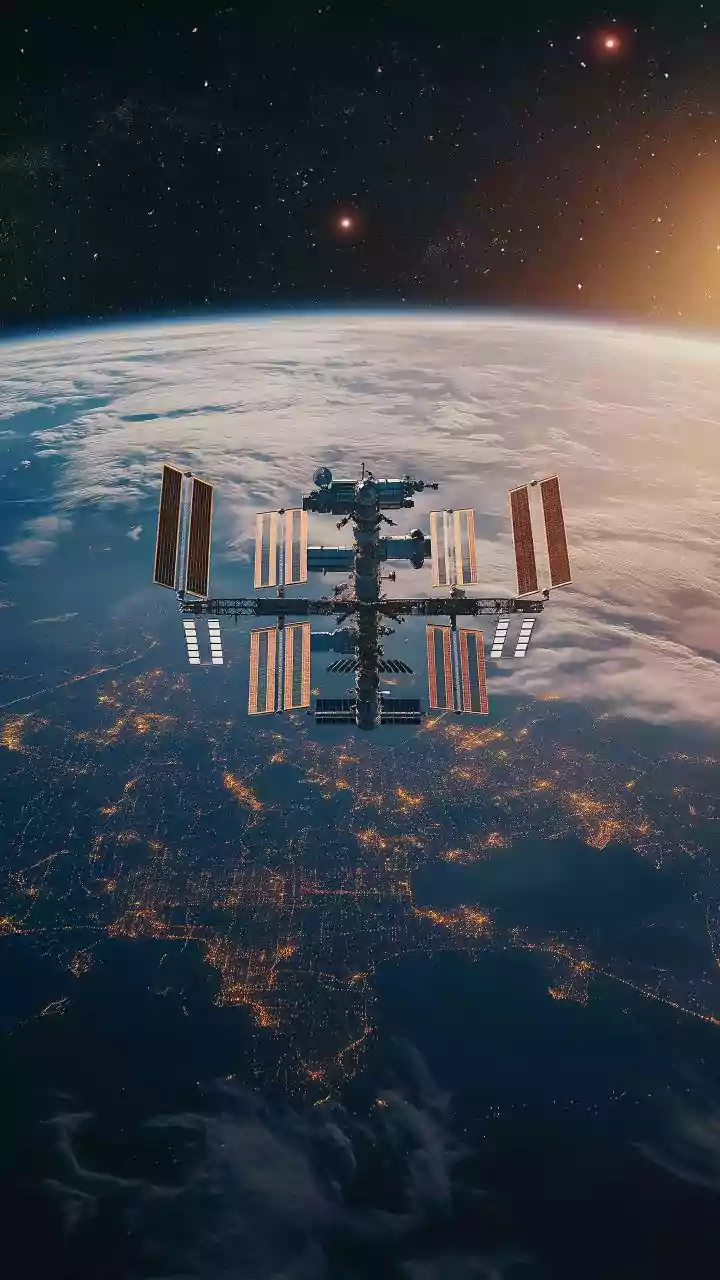
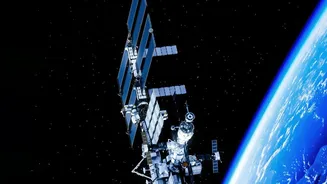
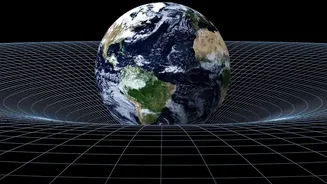
First, let's clear up the biggest myth: there is plenty of gravity in orbit. The International Space Station (ISS) flies at an altitude of about 250 miles. At that height, Earth's gravitational pull is still about 90% as strong as it is on the surface.
If you weighed 180 pounds on the ground, you'd weigh about 162 pounds on the ISS. So, if gravity is still firmly in charge, why do astronauts float? The answer isn't that they've escaped gravity's pull, but that they are constantly giving in to it.
It’s Not Floating, It’s Falling
The correct term for what astronauts experience is 'free-fall.' To understand this, imagine you're in an elevator and the cable snaps. For the few terrifying seconds before it hits the bottom, you and everything else in the elevator would fall together at the same rate. If you took a pen out of your pocket and 'dropped' it, it would just hover in front of you. Relative to the elevator car, you would be weightless. This is because the feeling of weight doesn't come from gravity itself, but from the floor pushing back up on you. In a free-falling elevator, there's no upward push, so you feel like you're floating. Astronauts on the ISS are in the exact same situation, just without the impending crash.
Falling With Style: The Secret of Orbit
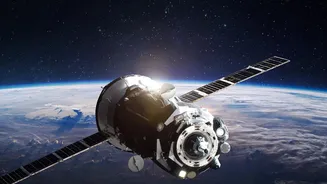
This brings us to the 'orbital' part of orbital free-fall. The ISS and its crew are indeed falling toward Earth, but they are also moving sideways at an incredible speed—about 17,500 miles per hour. This immense forward velocity is the secret ingredient. As the station falls, it also travels a great distance horizontally. By the time gravity has pulled it down, the Earth's surface has curved away underneath it. So, it just keeps falling around the planet, constantly missing it. Isaac Newton imagined this with a thought experiment about a cannon on a very tall mountain. Fire a cannonball slowly, and it hits the ground. Fire it fast enough, and its falling path will match the curve of the Earth, causing it to circle the planet indefinitely. That continuous 'miss' is what an orbit is.
What 'Weightlessness' Really Means
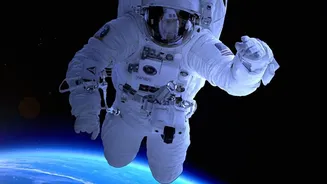
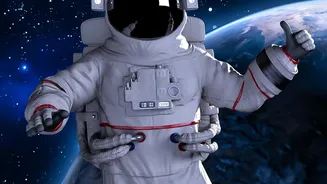
So, when you see an astronaut letting a piece of fruit drift in mid-air, you're not seeing an absence of gravity. You're watching two objects—the astronaut and the fruit—falling around the Earth together inside a much larger falling object, the space station. Because everything is accelerating at the same rate, there are no relative forces between them. This state is more accurately called 'microgravity,' not zero gravity, because gravity is very much present; its effects are just not felt in the conventional way. It's a perpetual state of falling that never ends, creating the beautiful and disorienting illusion of a world without weight.