








Why Monsoon Demands a Different Routine
The main culprit during the monsoon is high humidity. This surge in air moisture affects your skin and hair in specific ways. For your skin, humidity often translates to increased sweat and oil production. This excess oil, combined with environmental
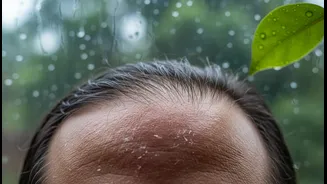
pollutants, can clog pores, leading to acne, blackheads, and a persistent greasy feeling. For your hair, the high moisture content in the air causes the hair shaft to swell unevenly. This lifts the outer layer, known as the cuticle, resulting in the dreaded frizz. The damp environment also creates a perfect breeding ground for fungal infections on the scalp, which can lead to dandruff and increased hair fall.
Your Starter Skincare Kit: The CTM Method
For beginners, the best approach is a simple Cleanse, Tone, and Moisturise (CTM) routine. During the monsoon, you’ll want to wash your face twice a day. Opt for a gentle, gel-based cleanser that removes grime without stripping your skin’s natural oils. Look for ingredients like salicylic acid, which helps keep pores clear. After cleansing, use a toner to remove any leftover impurities and help balance your skin's pH levels. Finally, and most importantly, moisturise. It's a common myth that oily skin doesn't need a moisturiser in humid weather, but skipping it can actually cause your skin to produce even more oil to compensate. Choose a lightweight, non-comedogenic (pore-clogging) gel moisturiser. Ingredients like hyaluronic acid are excellent as they provide hydration without feeling heavy.
The Non-Negotiable: Sunscreen on Cloudy Days
One of the most common mistakes is skipping sunscreen during the monsoon. Even on overcast days, up to 80% of the sun's harmful UV rays can penetrate the clouds and damage your skin. Daily sunscreen use is essential to protect against tanning, premature ageing, and other sun-related damage. For humid weather, look for a lightweight, gel-based, or matte-finish sunscreen with at least SPF 30. Ensure it's labelled "broad-spectrum" to protect against both UVA and UVB rays.
Taming Your Monsoon Mane: A Simple Hair Plan
Monsoon hair care is all about controlling frizz and maintaining scalp health. Wash your hair two to three times a week with a mild, sulphate-free shampoo to remove dirt and excess oil without being too harsh. After shampooing, never skip conditioner. Apply it from the mid-lengths to the ends to help smooth the hair cuticle and reduce frizz. To manage scalp issues like dandruff, which often flare up in damp weather, consider using a shampoo with anti-fungal ingredients like ketoconazole or zinc pyrithione once a week. Lastly, be gentle. Hair is weakest when wet, so avoid aggressive towel-drying or combing. Use a wide-toothed comb to detangle, and let your hair air-dry as much as possible.
Weekly Rituals for Extra Protection
Once you have your daily routine down, you can add a couple of weekly treatments. For your skin, use a clay mask once a week. Clay is excellent for absorbing excess oil and deep-cleaning pores, helping to prevent breakouts. Gentle exfoliation one or two times a week with a product containing salicylic acid can also help remove dead skin cells and keep your complexion bright. For hair, a pre-wash oil massage 30 minutes before you shampoo can work wonders. A lightweight oil creates a barrier, preventing the hair from absorbing excess humidity. It also nourishes the scalp. A deep-conditioning hair mask can also be applied weekly to combat frizz and restore moisture.