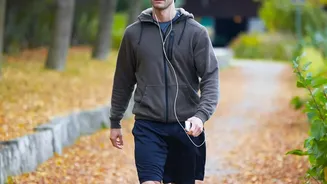








The familiar image of the solitary gym-goer, headphones on and focused on the treadmill, is getting a refresh. Across India's bustling cities, a quieter, more social fitness trend is taking hold: the humble group walk.
The Search for Connection in Concrete Jungles
Urban life, for all its opportunities,
can be isolating. Many young professionals and migrants leave behind tight-knit communities, only to find themselves surrounded by people yet feeling profoundly lonely. Social walking groups have emerged as a powerful antidote to this modern-day malaise. Often organised through informal channels like WhatsApp or Instagram, these groups provide a low-pressure environment for genuine, face-to-face connection. Unlike a structured gym class, the only agenda is to walk and talk, allowing friendships to form organically. This search for a 'third place' — a social setting outside of home and work — is a key reason people are lacing up their shoes together.
Wellness Without the Wallet Worry
The economics of fitness play a significant role in this shift. Gym memberships, personal trainers, and specialised workout gear represent a considerable financial commitment. In contrast, walking is one of the most accessible forms of exercise. It requires no expensive equipment beyond a comfortable pair of shoes and is entirely free. This democratic approach makes it an appealing choice for a wide demographic, from students on a budget to professionals looking for a sustainable routine that doesn't strain their finances. While gym penetration in India remains low, the desire for daily fitness is accelerating, and low-barrier activities like walking fit perfectly into this new model of accessible wellness.
A Step Towards Better Mental Health
The move away from high-intensity, performance-driven workouts also signals a broader cultural shift towards holistic wellbeing. Urban Indians are increasingly aware of burnout and chronic stress, making mental health a priority. Walking, particularly in a green, outdoor space, is a proven way to clear the head, ease anxiety, and boost mood. The combination of gentle physical activity, fresh air, and social interaction provides a powerful trifecta for mental wellness. The endorphin release from exercise is amplified by the sense of social connectedness, making group walks a restorative practice for both mind and body.
Accountability and a Sense of Safety
Sticking to a fitness routine alone requires immense selfdiscipline. Group settings introduce a layer of social accountability that makes it easier to stay consistent. It’s harder to skip a workout when you know your friends are waiting for you. For many, especially women, safety is another critical factor. Walking in a group provides a tangible sense of security, empowering people to reclaim public spaces and explore their own neighbourhoods with confidence, even at unconventional hours. This feeling of collective safety is not just a side benefit; it's a core reason many people choose to walk together, turning a simple exercise into a statement of presence and freedom.
Rediscovering the City, One Walk at a Time
Finally, this trend is about more than just fitness; it’s about rediscovering the urban environment. Walking clubs often explore different neighbourhoods, heritage sites, and green pathways, turning a workout into an act of local exploration. Participants are not just counting steps, they are engaging with their city's history, culture, and architecture in a new way. These walks allow longterm residents and newcomers alike to see familiar streets through a fresh lens, fostering a deeper sense of belonging and connection to the place they call home. The social experience becomes an adventure, making the habit more enjoyable and easier to maintain.