







A Galaxy of Opportunity
India's space story is undergoing a dramatic rewrite. Once driven exclusively by the state-run Indian Space Research Organisation (ISRO), the sector is now a bustling hub of private enterprise. A recent surge in startups, backed by significant investment
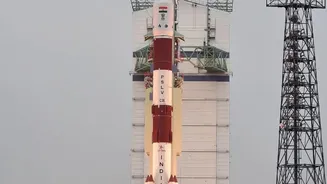
and bold ideas, is reshaping the country's cosmic ambitions. The recent successful orbital launch of Vikram-1 by Skyroot Aerospace, India's first privately developed orbital rocket, marks a pivotal moment in this journey. This shift from a government-led model to a collaborative public-private ecosystem is not just changing how India reaches for the stars; it is creating a powerful new engine for economic growth, innovation, and high-tech employment right here on the ground.
The Policy Reforms Launching a Thousand Startups
The catalyst for this boom was a series of landmark government reforms. The establishment of the Indian National Space Promotion and Authorisation Centre (IN-SPACe) in 2020 and the introduction of the Indian Space Policy in 2023 were game-changers. These policies effectively opened the entire space value chain to private companies, creating a clear regulatory framework and a single-window agency to guide and authorise their activities. IN-SPACe now acts as a bridge, allowing private players to use ISRO’s world-class facilities and expertise. This has drastically lowered entry barriers, encouraging a new generation of entrepreneurs to venture into satellite manufacturing, launch services, and data applications. The number of space startups has skyrocketed from a handful just a few years ago to over 400 today.
Meet the New Trailblazers
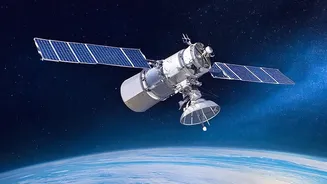
A new constellation of Indian startups is leading this charge. Hyderabad-based Skyroot Aerospace, founded by former ISRO engineers, made history with its Vikram series of launch vehicles, proving private entities can build and launch complex rockets from Indian soil. Chennai's Agnikul Cosmos is another key player, pioneering the world's first single-piece 3D-printed rocket engine, a technology that dramatically cuts manufacturing time and cost. Beyond rockets, Bengaluru-based Pixxel is deploying a constellation of the world's most advanced hyperspectral small satellites to monitor Earth in unprecedented detail. Other innovators like Dhruva Space, focusing on satellite manufacturing, and Digantara, building infrastructure for space traffic management, are rounding out a diverse and capable ecosystem.
A Magnet for Investment and Talent
The buzz is backed by serious capital. In the first seven months of 2026 alone, venture capitalists poured over $100 million into the sector, a significant uptick from previous years. The Indian government has also established a ₹1,000 crore Venture Capital Fund to provide crucial early-stage funding. This financial confidence is turning the sector into a talent magnet. Experienced scientists and engineers are moving from ISRO to these agile startups, which offer higher pay, stock options, and faster product development cycles. While this creates challenges for ISRO, it represents a 'brain circulation' rather than a 'brain drain', strengthening the domestic commercial space industry with invaluable expertise. This reverse migration is creating thousands of high-value jobs and building a skilled workforce ready to compete globally.
More Than Just Rockets
The impact of this boom extends far beyond launch pads. The real long-term value lies in downstream applications. Satellite data is becoming a critical tool for everything from agriculture and disaster management to financial services and climate monitoring. Startups like SatSure are leveraging satellite imagery and AI to provide decision intelligence for farming and credit scoring. The rise of private satellite constellations is set to enhance communication services, providing high-speed internet to remote corners of the country. This fusion of space technology with AI and IoT is creating new services and business models, driving innovation across multiple sectors of the Indian economy.