


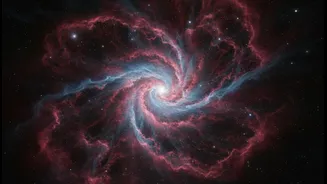


A Cosmic Anniversary Celebration
To mark the fourth anniversary of science operations for the James Webb Space Telescope (JWST), NASA and ESA have released a spectacular new collection of images that peer deeper into the universe than ever before. This release isn't just for seasoned
astronomers; it's a deliberate and thoughtfully crafted invitation for beginners to start their own journey of cosmic discovery. The agencies have combined data from multiple observatories, including the Hubble Space Telescope and the Chandra X-ray Observatory, to create a multi-layered and visually rich experience. Recent images feature everything from ancient globular clusters to vibrant star-forming regions, providing a comprehensive tour of the heavens.
What Do the New Images Show?
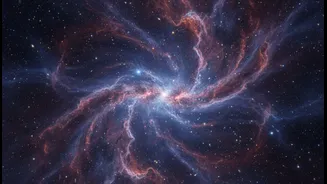
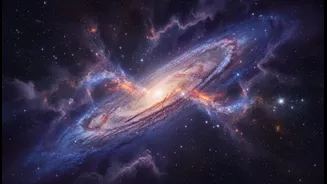
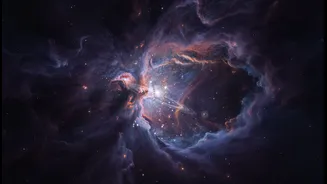
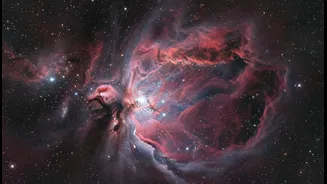
Among the highlights are images of Centaurus A, a nearby active galaxy located 11 million light-years away. Webb’s infrared capabilities cut through the galaxy's obscuring dust lanes, revealing a dense tapestry of individual stars near its supermassive black hole. Another breathtaking view comes from the Hubble telescope, which captured a vivid image of NGC 6426, a 13-billion-year-old globular cluster that is almost as old as the universe itself. The image, released to commemorate the 250th anniversary of the United States, showcases a field of red, white, and blue stars, offering a patriotic glimpse into our galaxy's ancient past. The JWST also returned to the well-studied Orion Nebula, peering behind it to unveil young stars in every stage of formation, offering a detailed look at a cosmic construction project.
More Than Just Pretty Pictures
While undeniably beautiful, these images are packed with scientific value. For instance, the image of globular cluster NGC 6426 helps astronomers study how the earliest stars transformed the young universe. It contains at least two distinct generations of stars, providing a time capsule from an era when heavy elements were still being forged. Similarly, the detailed look at Centaurus A provides a powerful laboratory for understanding how galaxies and their central black holes grow and evolve together. By combining X-ray data from Chandra with infrared from Webb, scientists can map the elements ejected by a supernova, like in Cassiopeia A, and see how these stellar explosions seed the cosmos with the building blocks for future planets and even life.
Designed for the Curious Beginner
What makes this release particularly special is its focus on accessibility. Recognizing that the sheer scale of the universe can be intimidating, NASA and ESA are providing more context than ever. Many of the new image collections come with supporting materials, including simplified explanations, guided video tours, and even sonifications, which transform astronomical data into sound. This multi-sensory approach helps newcomers appreciate the science behind the spectacle. Furthermore, the agencies provide guides and sky charts that help people connect what they see in the images to what they can find in their own night sky. The goal is to bridge the gap between professional observatories and backyard stargazers, proving that anyone can participate in the wonder of space exploration.
How to Start Your Cosmic Journey
Inspired to look up? Getting started is easier than you think. The official websites for NASA, ESA, Hubble, and the James Webb Space Telescope are goldmines of information, hosting high-resolution galleries of these new images and countless others. For a more hands-on experience, consider using a stargazing app like Stellarium or checking out websites that show what planets and constellations are visible from your location. You don't need expensive equipment to begin; a simple pair of binoculars can reveal the craters on the Moon and even the four largest moons of Jupiter. Local astronomy clubs are also an invaluable resource, offering guidance, classes, and a community of fellow enthusiasts ready to share their passion for the night sky.