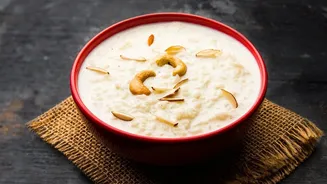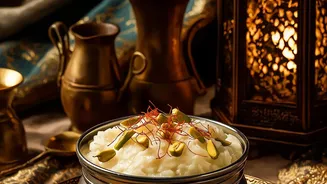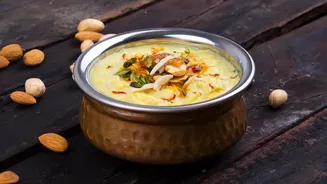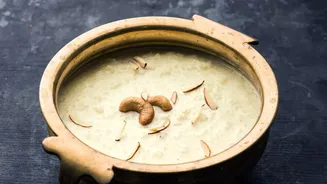


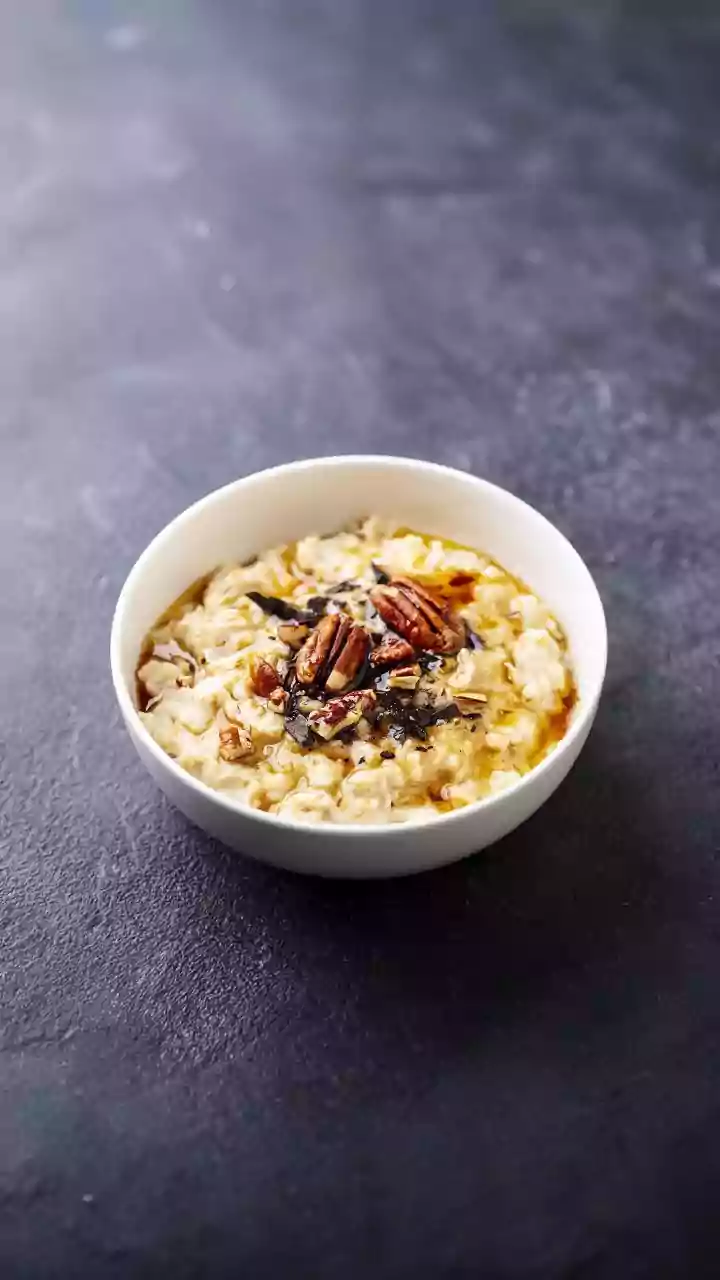
Among the vast repertoire of Indian sweets, few offer the comforting, creamy delight of a perfectly made Phirni. This classic rice pudding gets a seasonal upgrade with Sitaphal, creating a dessert that is all about its luscious, unique texture.
What Exactly Is Phirni?
At its
heart, Phirni is a simple, elegant pudding with roots in Mughal-era kitchens. It is made by slow-cooking ground rice with milk and sugar until it thickens into a creamy consistency. The key difference between Phirni and its more common cousin, Kheer, lies in the rice itself. While Kheer uses whole grains of rice, Phirni always uses rice that has been soaked and ground into a coarse, slightly grainy paste. This fundamental difference is what gives Phirni its signature smooth, yet subtly textured, mouthfeel, setting it apart from other rice puddings. It is traditionally flavoured with aromatics like cardamom or saffron and served chilled.
The Star Ingredient: Sweet, Creamy Sitaphal
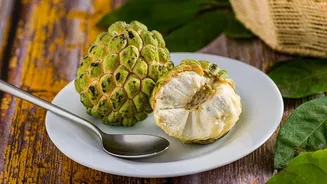
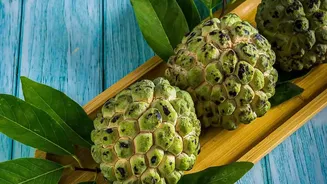
Sitaphal, also known as custard apple, is a tropical fruit celebrated for its intensely sweet flavour and soft, creamy pulp. The fruit's flesh has a taste often compared to a blend of pineapple and banana with vanilla undertones, and its texture is both creamy and slightly granular. When this luscious pulp is folded into a chilled Phirni, it elevates the dessert to another level. The natural sweetness of the Sitaphal complements the rich, milky base, while its inherent creaminess merges with the rice pudding, creating a dessert that feels both refreshing and indulgent. The fruit is typically in season during the cooler months, making Sitaphal Phirni a beloved winter treat in many parts of India.
The Secret to Its Unforgettable Texture
The magic of Sitaphal Phirni lies in the interplay of textures. The foundation is the Phirni itself, which should be velvety and smooth, but with a faint, pleasing graininess from the ground rice. This is achieved by grinding the soaked rice correctly—not to a fine powder, but to a consistency similar to semolina—and then cooking it slowly in milk. This process allows the starches to release gradually, thickening the milk into a pudding without any lumps. Once cooled, this creamy base is combined with the Sitaphal pulp. It’s crucial to add the pulp only after the Phirni has cooled slightly, to preserve the fruit's fresh flavour and delicate texture. The result is a dessert where the smooth, thick pudding is studded with the even softer, almost custardy pieces of fruit.
Crafting the Perfect Bowl at Home
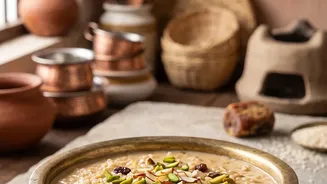
Making this dessert at home is a rewarding process that hinges on a few key details. Start with a good quality, aromatic rice like Basmati. After soaking, grind it coarsely. Use full-fat milk for the richest, creamiest result and be sure to stir continuously as you add the rice paste to prevent lumps. The most laborious part is preparing the Sitaphal: you must carefully scoop out the pulp and patiently remove every single seed, as they are inedible. Traditionally, Phirni is set and served in small, unglazed clay bowls called 'sakoras' or 'matkas'. These porous bowls absorb excess moisture, helping to thicken the Phirni further and imparting a subtle, earthy aroma that beautifully complements the sweetness of the dessert.
Garnishes and Final Touches
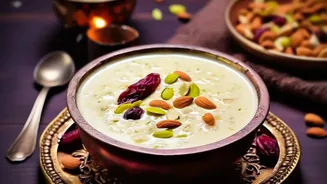
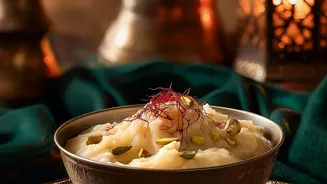
While Sitaphal Phirni is exquisite on its own, a simple garnish can add a final flourish of flavour and texture. Finely chopped pistachios and almonds are the most common toppings, providing a welcome crunch against the creamy pudding. A few strands of saffron, soaked in warm milk, can be drizzled over the top for a beautiful colour and an added layer of aroma. Some also like to add a sprinkle of cardamom powder or a few edible rose petals. These final touches not only make the dessert visually appealing but also enhance its rich and complex flavour profile, making each spoonful a truly memorable experience.