



Beyond the Familiar Menu
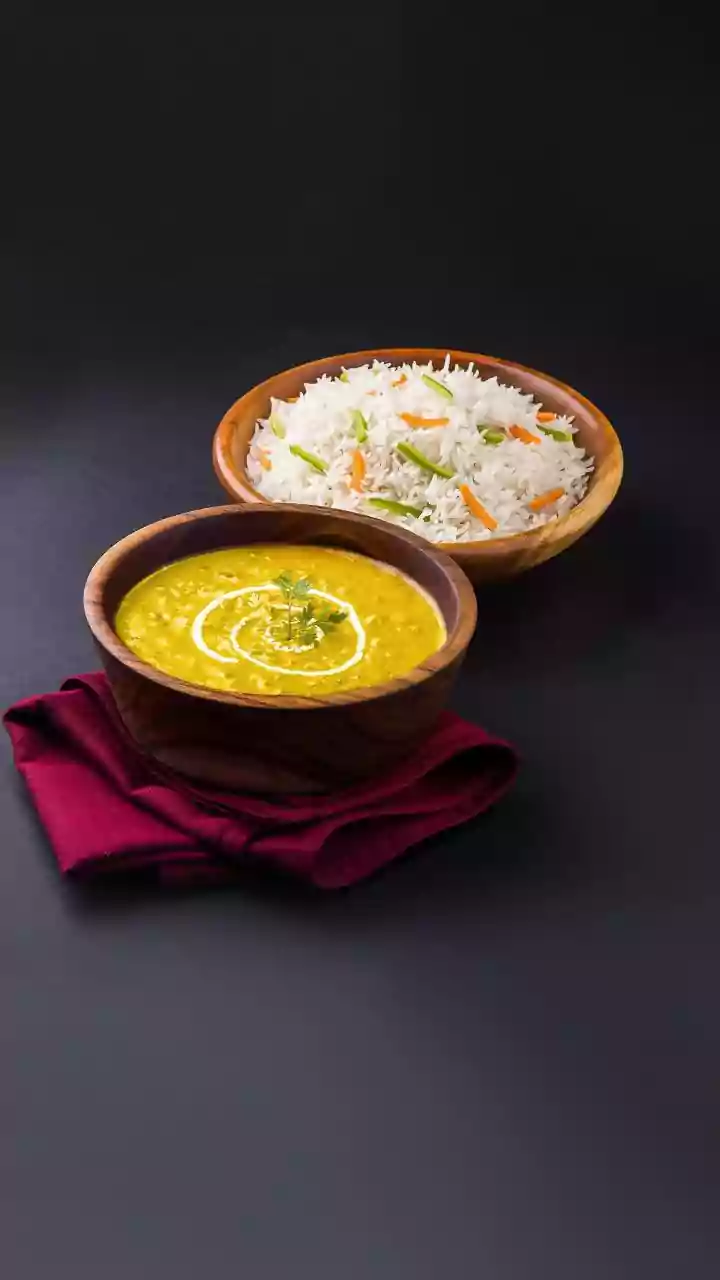
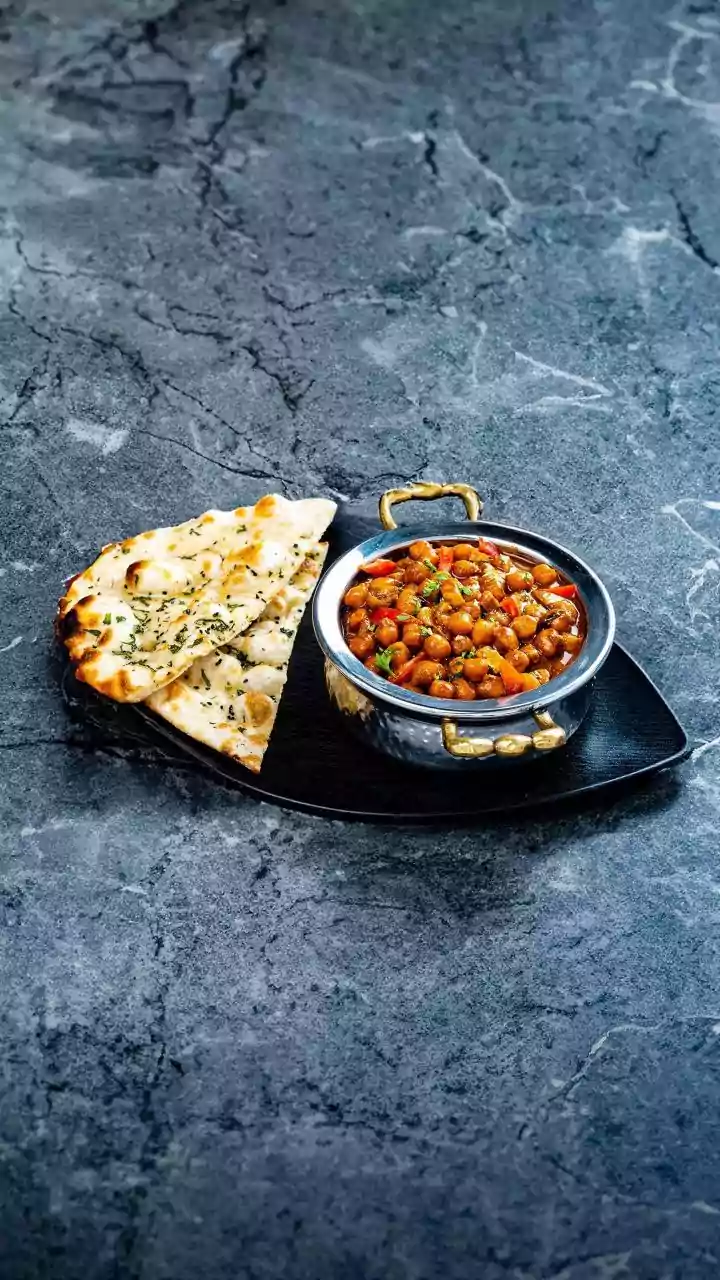
For many, the Indian restaurant experience has long been defined by a greatest-hits collection of North Indian staples: creamy curries, tandoori meats, and a basket of naan. While delicious, this popularised version only scratches the surface of India’s
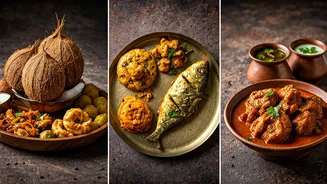
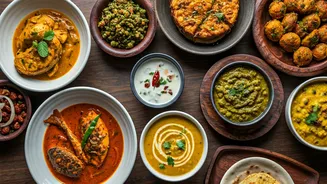
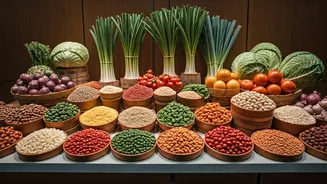
vast culinary landscape. The subcontinent is a tapestry of distinct regional cuisines, from the coconut-infused seafood of the south to the smoked meats of the northeast and the vegetarian thalis of the west. Historically, these culinary traditions remained largely within their geographical boundaries. A restaurant would be known for its authentic Punjabi, Chettinad, or Bengali food, preserving recipes passed down through generations. However, chefs are now leading a culinary rediscovery, looking beyond these traditional borders to create something new.
A New Culinary Map of India
This emerging trend is not about fusion in the sense of mixing Indian food with international cuisines, like butter chicken pizza. Instead, it’s an intra-national dialogue on a plate. Visionary chefs are exploring the idea of a modern Indian identity by combining ingredients, techniques, and flavour profiles from different states. It’s a movement driven by curiosity and creativity, asking questions like: what happens when the fiery spices of a Goan vindaloo meet the subtle smokiness of a Northeastern dish? Or when a technique from a Keralan kitchen is applied to an ingredient typically found in the Himalayas? This approach is about creating a harmonious composition that respects tradition while pushing boundaries, telling a new story about the country's interconnectedness.
Identity on a Plate
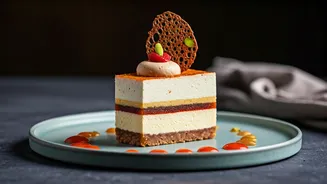
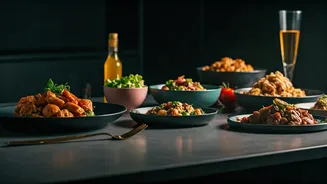
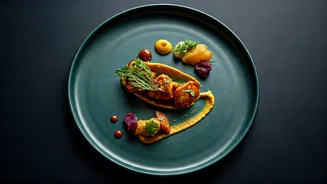
This culinary movement reflects a broader cultural shift. As India becomes more connected, regional identities are both celebrated and blended. This is mirrored in the kitchen, where chefs are acting as storytellers, preserving heritage while innovating. Restaurants like Bungalow in New York journey through all of India's states on one menu, while others are noted for their approach to expressing regional cooking through fine dining techniques. This is driven by a new generation of diners who are curious and eager to explore beyond the mainstream. They seek dining experiences that are both authentic and surprising. The rise of social media and food bloggers has also played a role, educating palates and building excitement around lesser-known regional specialities and their modern interpretations.
The Taste of a United India
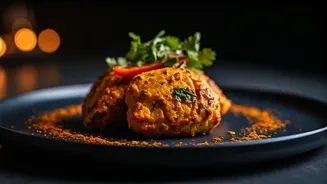
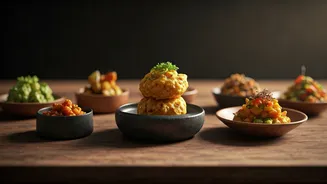
The results of these cross-regional experiments are often spectacular. Think of a lamb tartare seasoned with a Kolhapuri spice blend from Maharashtra, a scallion uttapam from the south, or a Goan crab curry made with roasted spices and tamarind. At some restaurants, chefs are taking beloved street foods and giving them a gourmet twist, using ingredients and ideas from across the country to elevate a simple dish. This isn't just about creating novel dishes; it's about showcasing the versatility of Indian ingredients and the depth of its culinary traditions. By resurrecting forgotten recipes and celebrating local, seasonal produce from different regions, these chefs are crafting a more nuanced and complex picture of what Indian food can be.