




The Problem with Plastic Threads
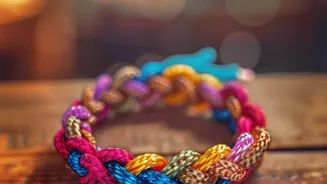
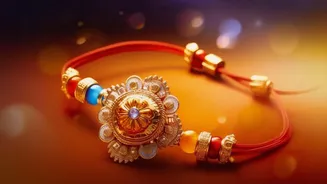
The simple, sacred thread of Raksha Bandhan has, in recent decades, been replaced by mass-produced versions that are anything but simple. Many commercially available rakhis are made with non-biodegradable materials like plastic, nylon threads, synthetic
glues, and plastic beads or glitter. While eye-catching, these materials contribute to pollution, ending up in landfills where they can take hundreds of years to decompose. Every year, millions of these single-use rakhis are discarded after the festival, creating an environmental footprint that clashes with the pure sentiment of the occasion. This growing awareness has paved the way for a more thoughtful alternative.
The Rise of the Green Rakhi
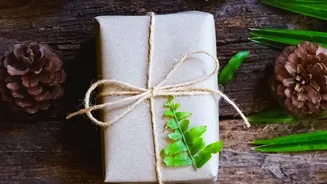
Enter the sustainable rakhi, a creative and conscious response to festive waste. These eco-friendly threads are crafted from a variety of natural, biodegradable, and often recycled materials. Artisans are using organic cotton, jute, silk threads, bamboo, and even terracotta clay to design beautiful and unique rakhis. These materials are not only gentle on the planet but also on the skin, as they avoid the synthetic dyes and chemicals often found in their plastic counterparts. This shift represents more than just a product choice; it’s about aligning a cherished tradition with a growing desire to live more sustainably and mindfully.
Crafted with Purpose and People
The “artisanal” element of this trend is just as important as the “sustainable” one. Many of these eco-friendly rakhis are handcrafted by local artisans and women’s self-help groups across India. Initiatives in states like Odisha, Chhattisgarh, and Madhya Pradesh empower rural women by providing them with a sustainable livelihood and a platform to showcase their traditional craft skills. Projects like the Gram Art Project involve entire communities, from farmers growing indigenous cotton to women hand-spinning the yarn and crafting the final product. Choosing an artisanal rakhi, therefore, becomes an act of supporting local economies, preserving craft heritage, and empowering women entrepreneurs.
From Wrist to Garden: The Plantable Rakhi
Perhaps the most innovative and symbolic evolution is the plantable seed rakhi. These are ingeniously made from recycled paper or clay embedded with seeds of flowers, herbs, or vegetables like marigold, basil, tomato, or spinach. After the celebrations, instead of being thrown away, the rakhi can be planted in a pot of soil. With a little water and sunlight, it sprouts into a living plant, creating a lasting, growing symbol of the sibling bond. This beautiful concept transforms the rakhi from a temporary token into a gift that literally gives back to the earth, making the sentiment of love and protection tangible and enduring.
A Style Statement with Substance
Ultimately, the move towards sustainable rakhis is not about sacrificing style; it's about enhancing it with substance. These handcrafted pieces offer a unique, earthy, and elegant aesthetic that stands out from a sea of generic, factory-made designs. From minimalist fabric threads to intricately designed clay pendants and rustic jute creations, there is a design to suit every taste. Opting for an eco-friendly rakhi is a style choice that reflects personal values. It’s a way to tell a story of conscious consumption, cultural appreciation, and a commitment to protecting not just our loved ones, but the planet we all share.