








Master Your Monsoon Diet
Your digestive system can be a bit sluggish during the monsoon. Instead of heavy, oily meals that are hard to digest, opt for lighter fare. Think steamed or grilled vegetables, clear soups, and khichdi. Incorporate immunity-boosting ingredients like ginger,
garlic, and turmeric into your cooking. A warm cup of ginger-tulsi tea can do wonders for a sore throat and boost your overall defence system. While the temptation for street-side pakoras is strong, this is the season to be cautious. High humidity can spoil food quickly, and contaminated water used in chutneys or drinks can lead to stomach infections. If you must indulge, try making your favourite street food snacks at home where you can control the hygiene and ingredients.
Water Wisdom: Beyond Boiling
The golden rule of the monsoon is to drink only boiled or filtered water. This is non-negotiable. Water-borne diseases like typhoid, cholera, and jaundice are at their peak during this season. Carry your own water bottle when you head out to avoid buying water of questionable purity. It's also wise to be wary of ice in drinks at restaurants, as it's often made with unfiltered tap water. Even when making juices or nimbu paani at home, use only purified water. For an extra layer of protection, some experts suggest drinking herbal infusions made with ingredients like cumin (jeera) or coriander (dhania), which are known to aid digestion and cleanse the system.
Win the War Against Mosquitoes
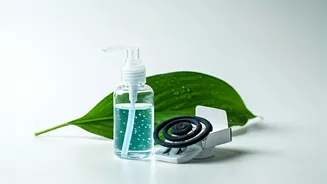
Mosquitoes are more than just an annoyance; they are carriers of serious diseases like dengue, malaria, and chikungunya. The fight begins at home. Don't let water stagnate anywhere. Check flower pots, air conditioner trays, and any open containers in and around your house. Use mosquito nets over your bed, especially if you have children. When stepping out, particularly in the evenings, wear long-sleeved shirts and full-length trousers. Applying a good quality mosquito repellent on exposed skin is a must. Lighter-coloured clothing is also said to attract fewer mosquitoes than dark colours.
Combat Dampness and Fungal Foes
The constant dampness in the air is a breeding ground for fungus and bacteria. This affects not just your home, but your skin and feet too. Keep your skin dry, and shower twice a day if you get caught in the rain. Pay special attention to your feet; fungal infections like athlete's foot are very common. Wash your feet with soap and water and dry them thoroughly, especially between the toes. Avoid wearing wet shoes or socks for extended periods. Opt for open footwear like sandals or floaters to allow your feet to breathe. For your clothes, the lack of sunlight can make them feel damp and smell musty. If possible, iron your clothes before wearing them; the heat helps kill any lingering germs and removes residual moisture.
Know When to See a Doctor
It's easy to dismiss a fever or body ache as a simple viral flu, but during the monsoon, it's crucial to be vigilant. Symptoms of many monsoon-related illnesses overlap. If you have a high fever that persists for more than a day or two, severe muscle and joint pain, rashes, or chills, don't self-medicate. Popping a painkiller might mask the symptoms of a more serious condition like dengue. Your best course of action is to consult a doctor for a proper diagnosis and treatment plan.