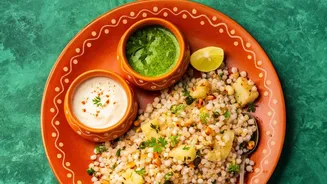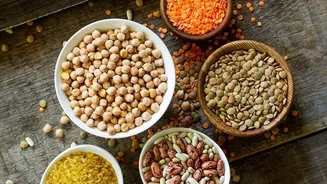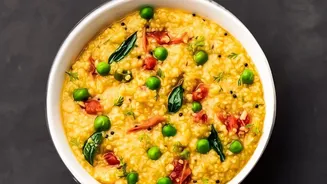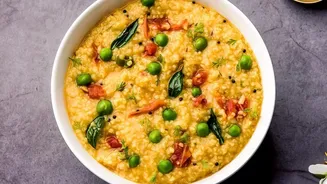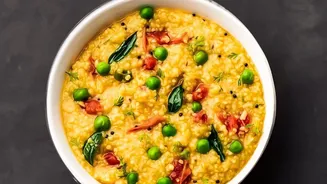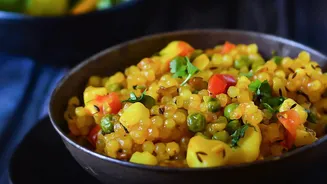

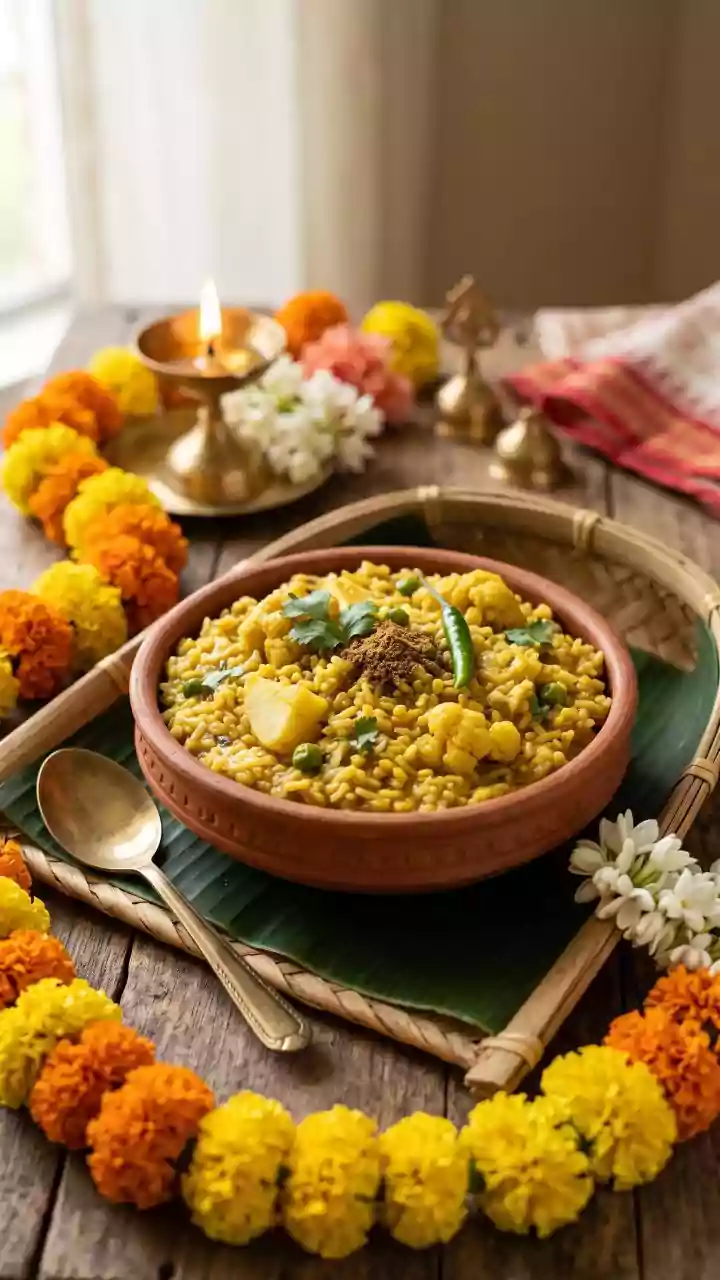
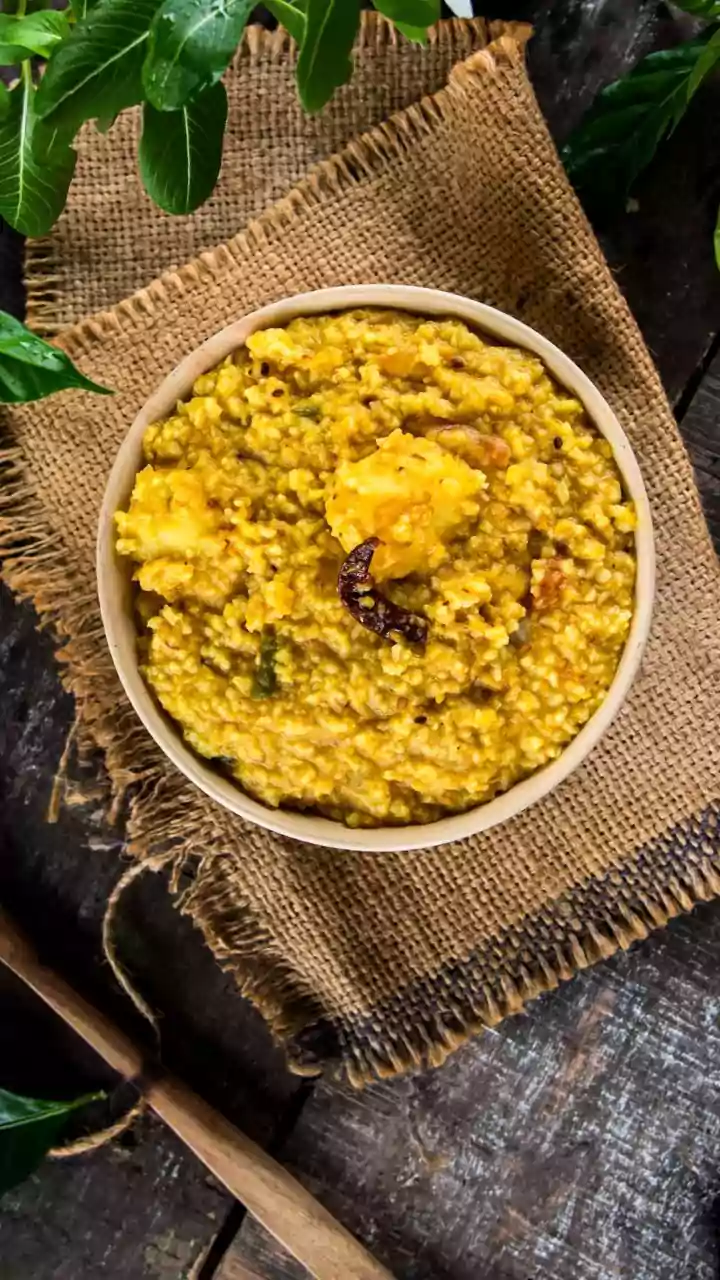

In Indian kitchens, dalia and khichdi are go-to meals for comfort and health. But when it comes to feeling full and nourished, how do they really stack up? Let's break down the nutritional differences and find out which one truly satisfies.
The Comfort Food Showdown
Dalia, made
from cracked wheat, and khichdi, a soothing mix of rice and lentils, are staples across India. Both are celebrated as light, wholesome meals, often recommended during recovery or for a simple, nutritious dinner. While they share a reputation for being 'healthy', their nutritional makeup and how they affect our bodies are quite different. This is especially true when it comes to satiety—the feeling of fullness that helps prevent us from overeating. Understanding these differences can help you choose the right meal for your specific needs, whether that's sustained energy for a long workday or a gentle, easy-to-digest dinner.
What Is Satiety and Why Does It Matter?
Before we compare, let's talk about satiety. It’s more than just a full stomach; it's a state of satisfaction that tells your brain you've had enough to eat and keeps hunger at bay. The two key nutrients that drive this feeling are protein and fiber. Protein takes longer to digest and influences hormones that regulate appetite. Fiber, particularly soluble fiber, slows down digestion and adds bulk to your meal, which also contributes to a prolonged feeling of fullness. A meal rich in both will generally keep you satisfied for much longer than a meal high in simple carbohydrates or fats.
Dalia: The High-Fiber Contender
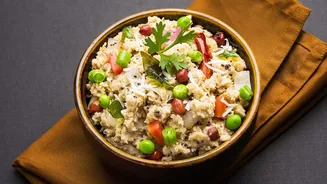
Dalia's primary strength lies in its impressive fiber content. As a whole-wheat product, it is packed with complex carbohydrates and dietary fiber. A 100-gram serving of dry dalia can contain around 12 grams of fiber. This high fiber content is crucial for satiety. It slows the rate at which your stomach empties, providing a steady release of energy and preventing the sharp blood sugar spikes that can lead to cravings. Dalia also has a low glycemic index (GI), typically ranging from 41-55, which further supports stable energy levels and appetite control. While it contains a respectable amount of protein (about 11-12 grams per 100g dry), it’s this fiber that really makes it a filling choice.
Khichdi: The Complete Protein Powerhouse
Khichdi's nutritional magic comes from a classic food synergy: combining a cereal (rice) with a legume (dal). Rice on its own is an incomplete protein, meaning it lacks some essential amino acids. Lentils are also incomplete. But when you cook them together, they form a 'complete protein', providing all the essential amino acids your body needs for functions like muscle repair. This makes khichdi an excellent meal for recovery and nourishment. The protein content in a standard bowl can be around 7-9 grams, helping to promote fullness. While its fiber content is generally lower than dalia's, it is known for being extremely easy to digest, making it a gentle option for your gut.
The Direct Comparison : Fullness Factor
So, which one keeps you fuller for longer? Based on the nutritional profiles, dalia often has the edge in the satiety department due to its significantly higher fiber content. This fiber - rich nature means it digests more slowly, providing a sustained sense of fullness that can last for hours. Khichdi, while also filling thanks to its protein and the volume of a warm bowl, might be digested a bit faster. However, the story changes based on preparation. A khichdi made with a higher ratio of dal to rice and loaded with fibrous vegetables can significantly boost its staying power, bringing it closer to dalia's level. For example, a vegetable dalia khichdi can have a GI as low as 34 and contain over 7 grams of fiber per serving.
The Verdict : Which Meal Is for You?
There is no single winner here; the best choice depends entirely on your goals for that particular meal. Choose Dalia when : You need sustained energy and want to stay full for a long time. Its high fiber and low GI make it an excellent choice for breakfast or lunch to power through your day without experiencing an energy crash or mid - afternoon hunger pangs. Choose Khichdi when : You need an easily digestible, comforting meal that provides complete protein. It's ideal for a post - workout dinner to aid muscle recovery or on days when your digestive system needs something gentle yet nourishing. Adding plenty of vegetables and a dollop of ghee can enhance its nutritional profile and flavour.