


The Twin Threats: Root Rot and Pests
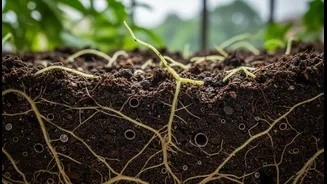
When water collects at the bottom of a pot or in its saucer, it creates two major problems. Firstly, it leads to root rot. Plant roots need oxygen to survive, but waterlogged soil suffocates them. This lack of oxygen allows harmful anaerobic bacteria
to multiply, causing the roots to turn brown, mushy, and decay. A plant with rotten roots cannot absorb water or nutrients, ironically causing it to wilt even when the soil is wet. Secondly, standing water is a prime breeding ground for pests. In India, this is a significant concern as even a small amount of stagnant water in a plant tray can become a nursery for mosquito larvae, contributing to the spread of diseases like dengue and malaria. It also attracts fungus gnats, small flies that thrive in constantly moist soil.
Know the Warning Signs of Overwatering
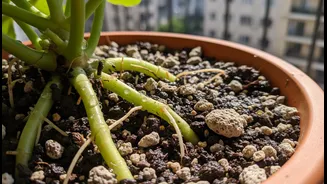
Your plants will tell you when they are struggling with too much water. The most common sign is leaves turning yellow or brown, but feeling soft and limp, not crispy and dry. You might see both old and new leaves dropping from the plant simultaneously. Another confusing sign is wilting; the plant looks thirsty, but the soil is damp to the touch. This happens because the rotted roots can no longer do their job. In advanced cases, you may notice a foul, rotten smell from the soil or a mushy base of the plant stem. Seeing mold on the soil surface or tiny flies hovering around your pots are also clear indicators that the soil is staying wet for too long.
Rule 1: Prioritise Drainage Above All
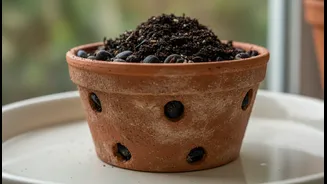
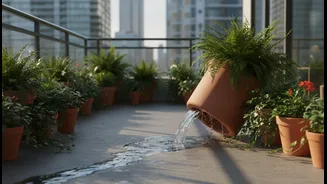
The single most important rule for healthy balcony plants is ensuring excellent drainage. This starts with the pot itself. Never use a container without drainage holes; it’s a non-negotiable for preventing waterlogging. If you love a decorative pot that has no holes, use it as a cachepot—place a smaller plastic pot with holes inside it, and be sure to tip out any excess water after watering. For large planters, adding a layer of broken terracotta pieces or pebbles at the bottom can help, but it's no substitute for good drainage holes and well-draining soil. Also, ensure your balcony's main drain is not blocked by leaves or soil, allowing water to flow away freely.
Rule 2: Use the Right Pot and Potting Mix
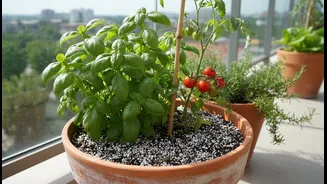
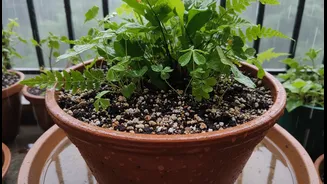
The container and soil you choose set the stage for success. Terracotta or clay pots are an excellent choice as their porous nature allows soil to breathe and moisture to evaporate from the sides, helping the soil dry out faster. Avoid using heavy garden soil, which compacts easily and retains too much water. Instead, opt for a high-quality potting mix specifically designed for containers. These mixes are lighter and contain ingredients like perlite or coco peat, which create air pockets in the soil, crucial for healthy root function and preventing compaction. Repotting your plants every 12-18 months with fresh mix also helps maintain good drainage as old soil breaks down over time.
Rule 3: Water Smart, Not on a Schedule
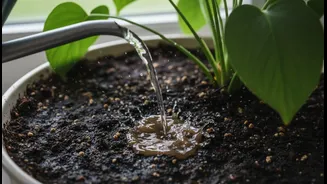
Overwatering is often the result of good intentions. Instead of watering on a fixed schedule, check the needs of each plant individually. The most reliable method is the finger test: stick your finger about an inch or two into the soil. If it feels dry, it's time to water; if it's still moist, wait another day or two. When you do water, do so thoroughly until you see it running out of the drainage holes. This ensures the entire root ball is hydrated. The final, critical step is to empty the saucer or drip tray about 15-20 minutes after watering. Never let a pot sit in a saucer full of water, as this is the primary cause of soggy soil and root rot.
Rule 4: Elevate Your Pots for Better Airflow
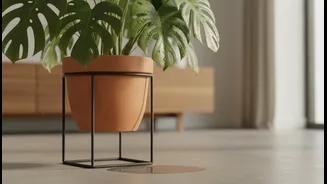
A simple but effective trick is to lift your pots slightly off the ground. This small gap improves air circulation around the base of the pot and allows water to drain away completely, preventing the pot from sitting in a puddle. You can buy specialised 'pot feet' or simply use pebbles, bottle caps, or small pieces of tile to create this elevation. This also helps prevent stains on your balcony floor and discourages pests like ants from making a home under your pots. For a cleaner look and to avoid mosquito issues, consider getting rid of saucers altogether in outdoor settings and placing pots on stands or trivets.