


Rajasthan's Open-Air Art Gallery
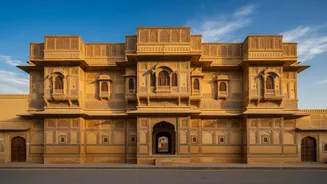
Often called the world's largest open-air art gallery, the Shekhawati region in northeastern Rajasthan is a treasure trove of history and art. Once a crucial stop on the caravan trade routes, its towns like Mandawa, Fatehpur, and Nawalgarh flourished.
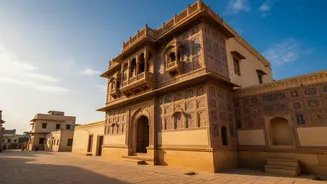
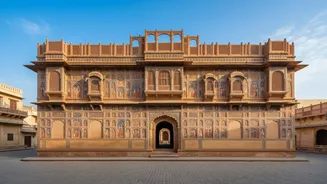
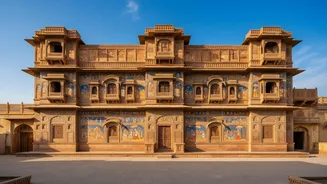
Wealthy Marwari merchants, who built their fortunes in ports like Mumbai and Kolkata, channelled their wealth back home, commissioning magnificent private mansions, or havelis. To display their prestige, these merchants hired artists to cover nearly every surface with intricate frescoes, transforming the entire region into a canvas. The paintings depict a fascinating mix of mythology, daily life, local folklore, and even the arrival of the British, with motifs of trains, cars, and European figures appearing alongside gods and kings.
From Faded Grandeur to Boutique Stays
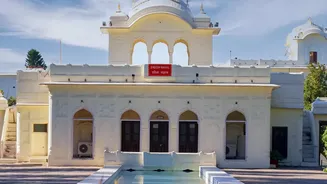
As trade routes shifted and families moved away permanently, many of these architectural gems fell into disrepair, their vibrant frescoes fading under layers of dust and neglect. However, a new chapter is being written for these historic structures. In recent years, a growing conservation movement has seen many havelis painstakingly restored and converted into boutique heritage hotels. This adaptive reuse not only preserves the unique architectural heritage but also injects new life into the local economy. Travellers can now experience the grandeur of the past, not as a museum visitor, but by living within the painted walls, where modern amenities like ensuite bathrooms and air conditioning are thoughtfully integrated into the 19th-century architecture.
An Immersive Creative Retreat
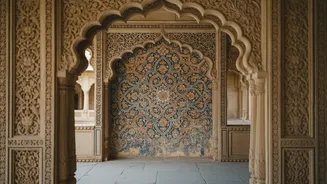
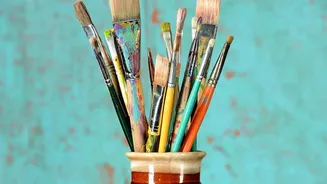
The experience offered by these restored havelis goes beyond a simple hotel stay; it is an immersion into a living art studio. While some establishments offer formal fresco-painting workshops where guests can learn traditional techniques from local artisans, the true experience is often more organic. Waking up in a room where every inch of the wall and ceiling is covered in detailed murals is an inspiration in itself. You are not just looking at art; you are enveloped by it. This environment provides a unique sanctuary for artists, writers, photographers, and anyone seeking a creative recharge. The havelis themselves, with their multiple courtyards, ornate doorways, and detailed carvings, become the muse. The stay is an opportunity to slow down, observe, and let the artistic atmosphere fuel your own creativity.
The Underrated Charm of the Off-Season
While the peak tourist season in Rajasthan runs from October to March, offering pleasant weather for sightseeing, the off-season provides a different kind of magic. Visiting between April and September means braving the summer heat or the moderate monsoon, but the rewards are significant. The region is far less crowded, allowing for a more personal and tranquil exploration of the painted towns. You can wander through quiet lanes and admire the frescoes without the hustle and bustle, often having entire havelis to yourself. Moreover, the off-season is friendlier on the wallet, with many heritage hotels offering substantial discounts. The summer's intense sun creates dramatic light and shadows perfect for photography, while the monsoon brings a surprising flush of green to the arid landscape, offering a unique perspective on this desert region.