


The Irresistible Flavour Collision
The marriage of tangy and spicy is fundamental to the Indian palate, a sensory experience ingrained in everything from roadside chaat to regional curries. This isn't just about heat; it's a carefully orchestrated balance. The sour notes, derived from ingredients
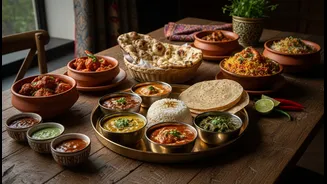
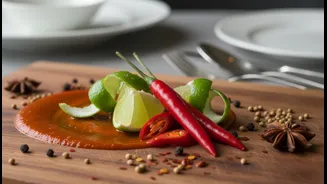
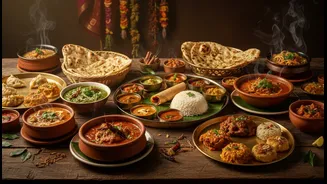
like tamarind, kokum, raw mango (amchur), and lime, provide a refreshing counterpoint that cuts through richness and heightens flavour. The spice, delivered by a vast array of chillies, offers a warming kick. Together, they create a multi-layered experience that is both exciting and deeply satisfying. This combination has been perfected over centuries, particularly in the realm of street food, where a single bite of bhel puri or pani puri delivers a symphony of sweet, salty, tangy, and spicy notes all at once.
From Humble Streets to Haute Cuisine
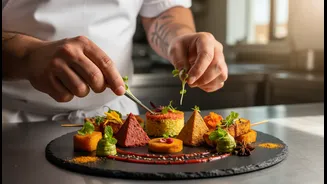
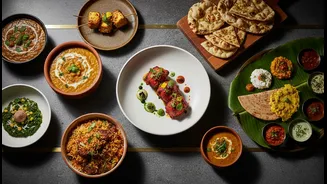
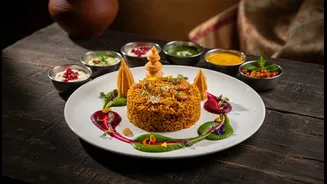
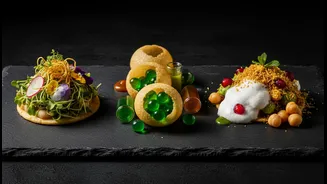
What feels new is the journey this flavour profile is taking. Once confined to bustling street corners and family kitchens, the tangy-spicy combination is now a muse for some of India's most innovative chefs. Esteemed restaurants are elevating these familiar tastes into gourmet experiences. This trend, sometimes called "Swicy" (sweet and spicy) or the fruit-forward "Fricy," sees chefs deconstructing and reimagining classic street snacks. Think of chilled sea bass sev puri, where cured fish meets tangy raw mango chutney, or golgappas served with five distinct, flavoured waters. This isn't about replacing the original but celebrating its flavour architecture in a new, refined context, blending nostalgia with modern technique.
Why This, Why Now?
Several factors are driving this culinary movement. Diners today, especially younger generations, crave meals that offer a story and an experience, not just sustenance. There is a growing pride in regional Indian culinary heritage, with a desire to explore and celebrate flavours beyond the standard restaurant fare of butter chicken and paneer tikka. Chefs are responding by diving deep into specific regional traditions—from the tamarind-heavy dishes of the South to the kokum-laced cuisine of the West—and bringing them to a national audience. Furthermore, the visual appeal of these dishes, with their vibrant colours and artful plating, makes them incredibly popular on social media platforms like Instagram, which have become powerful tools for food discovery. A beautifully presented dish that tastes of home is a guaranteed winner.
A Celebration of Regional Identity
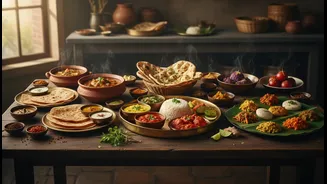
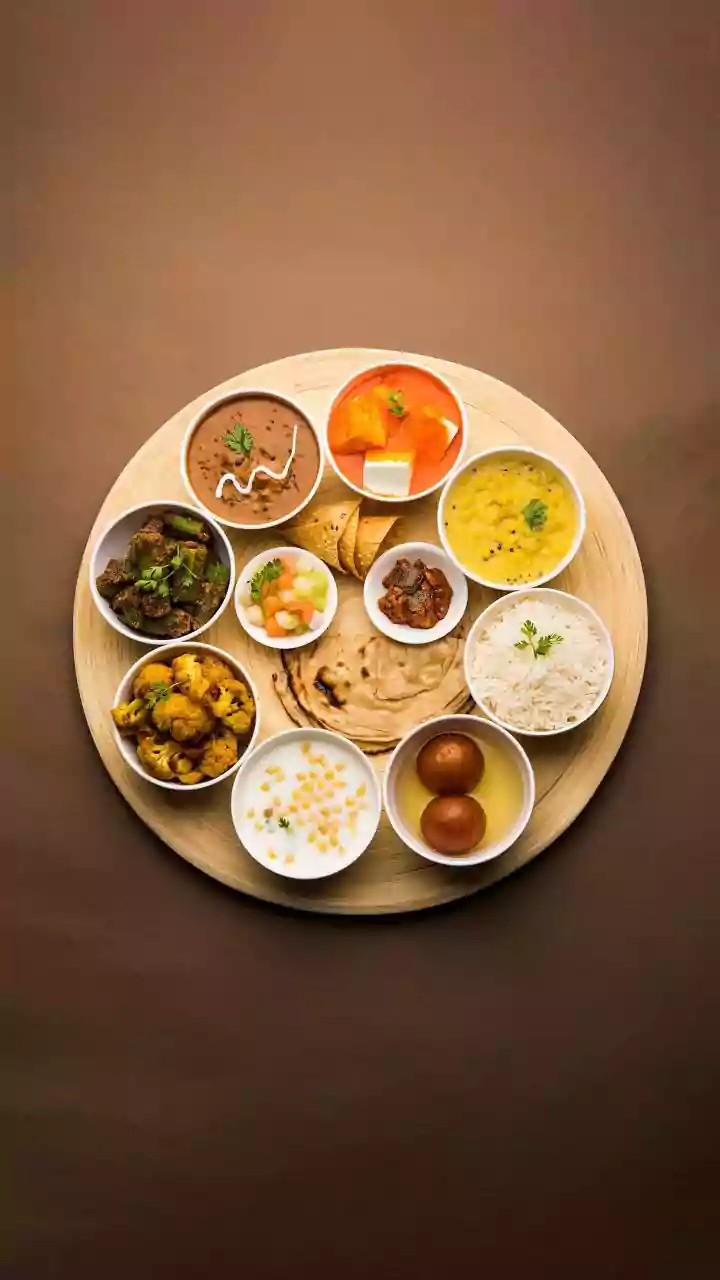
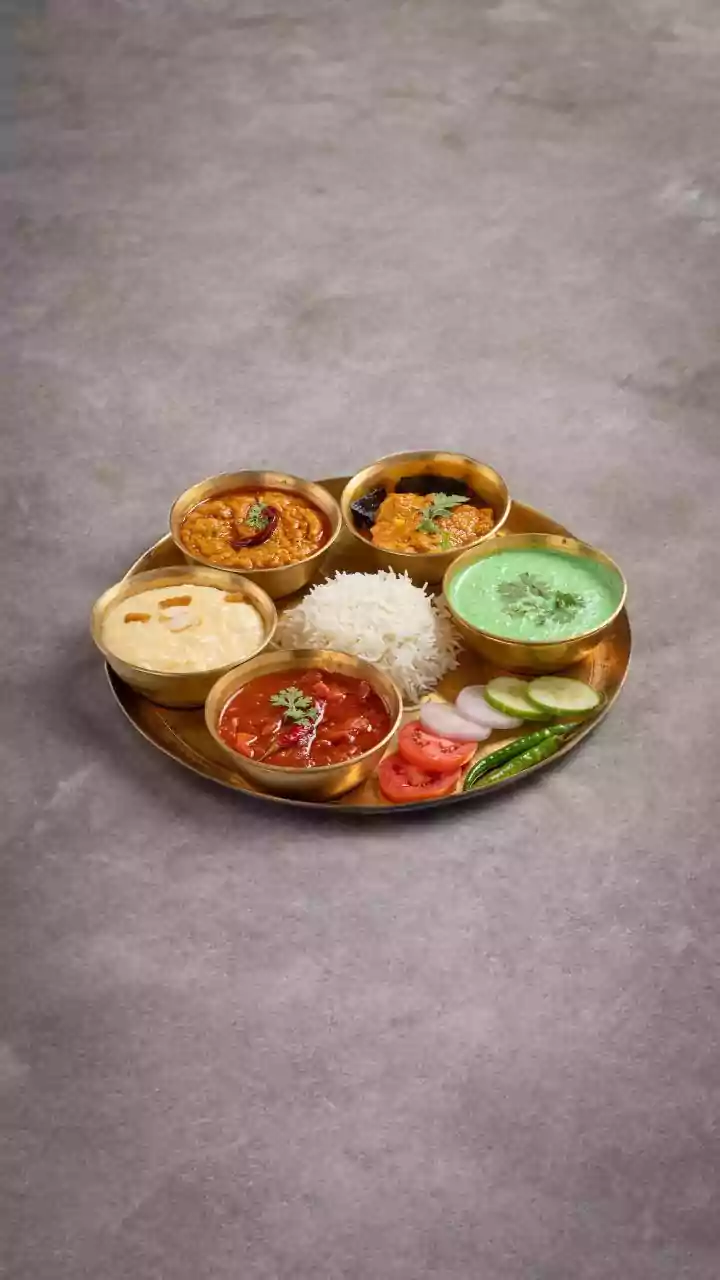
This trend is also a powerful vehicle for showcasing India's immense culinary diversity. While North Indian cuisine often relies on tomatoes or yogurt (dahi) for a milder sourness, other regions have long championed a bolder tang. South Indian cooking is renowned for its liberal use of tamarind in sambar and rasam. In the West, Maharashtrian and Goan dishes get their signature sourness from kokum, while Gujarati cuisine masterfully balances sweet, spicy, and tangy elements. Even in the East, the puchkas of Kolkata are defined by their spicy and tangy water. By bringing these distinct regional souring agents—like gongura (sorrel leaves) from Andhra or raw mango from across the country—to the forefront, chefs are educating diners and expanding the national palate.
How to Experience the Trend
Embracing this trend is as simple as paying closer attention to menus and being open to new interpretations of familiar favourites. Look for modern chaat offerings in fine dining establishments, which often serve as a playful, interactive start to a meal. Explore restaurants that specialise in specific regional cuisines to taste these flavour pairings in their original context. At home, it's easy to experiment. A sprinkle of chaat masala on fresh fruit, a squeeze of lime over a spicy dal, or making a simple tamarind chutney can instantly bring this dynamic flavour profile to your own table. The beauty of the tangy and spicy combination is its versatility, adding a vibrant lift to nearly any dish it touches.