







Beyond the Beach and Cocktails
The traditional honeymoon, often a whirlwind of sightseeing and indulgence, is getting a mindful makeover. After months, sometimes years, of stressful wedding planning, many newlyweds find themselves emotionally and physically drained. Instead of immediately
jetting off to another hectic schedule, they are seeking something more restorative. This has given rise to the post-wedding wellness retreat: a sanctuary designed not just for relaxation, but for intentional connection. It’s a shift from celebrating the wedding to investing in the marriage. Couples are realising that the real work begins after the festivities end, and they want to start their journey on the strongest possible footing.
What is a Post-Wedding Retreat?
Think less of a typical vacation and more of a structured, supportive experience. These premium retreats are holistic havens, often set in serene locations like the Himalayan foothills, the tranquil backwaters of Kerala, or secluded coastal resorts. While they offer the luxuries of a high-end holiday—gourmet healthy meals, beautiful surroundings, and spa treatments—their core purpose is deeper. The itinerary usually blends activities that nurture the body and mind. This can include daily yoga and meditation sessions, workshops on mindful communication, nature therapy, and nutritious, locally-sourced cuisine. The goal is to strip away the distractions of daily life and create a space where couples can focus entirely on each other and their new life together.
The Heart of the Experience: Personalized Therapy
The defining feature of these modern retreats is the inclusion of personalized therapy sessions. This isn’t crisis counselling; it’s proactive relationship-building. Led by qualified couples' therapists or relationship coaches, these sessions are a safe space for newlyweds to navigate the transition into married life. The therapy is 'personalized' because it addresses the unique dynamics of each couple. Discussions might revolve around developing healthy communication patterns, aligning on life goals and values, learning conflict resolution skills, or simply having guided conversations about their hopes and fears for the future. In a culture where conversations about mental and emotional wellness are becoming more open, this is seen as a powerful tool for building a resilient partnership from day one.
A Day in a Wellness Retreat
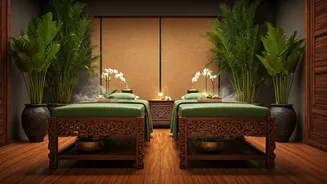
So, what does a day actually look like? Imagine waking up to a gentle yoga class overlooking a misty valley. After a wholesome breakfast, you might have a private therapy session with a counsellor, followed by some free time to reflect or journal. The afternoon could involve a guided nature walk, a cooking class focused on healthy eating, or a synchronised couples' massage at the spa. The evenings are typically quiet, designed for connection, perhaps with a candlelit dinner or a guided meditation session under the stars. The entire experience is curated to be calming and connective, removing the pressure of planning and allowing the couple to simply be present with each other.
Choosing the Right Fit
If this sounds like the ideal start to your marriage, it's important to choose wisely. Not all retreats are created equal. Firstly, verify the credentials of the therapists and instructors. Look for licensed professionals with experience in couples' counselling. Secondly, understand the retreat's philosophy. Is it more focused on spirituality, adventure, or intensive therapy? Make sure it aligns with your shared goals. Ask about the level of privacy and the structure of the programme—some are more rigid, while others offer flexibility. Most importantly, have an open conversation with your partner about what you both hope to gain from the experience. This shared intention will be the most crucial ingredient for success.