



The Foundation: Mastering Different Cuts
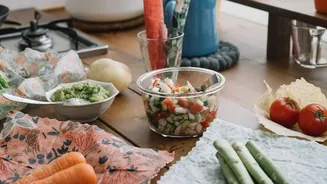
The way a vegetable is cut has a dramatic impact on its final flavor and texture. The size and shape determine how much surface area is exposed to heat, which affects cooking time and caramelization. A large cube of carrot in a stew will be soft and sweet,
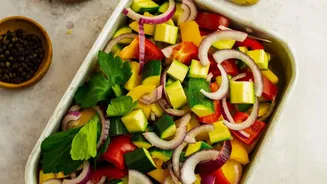
while the same carrot shaved into ribbons for a salad will be crisp and fresh. Uniformity is key for even cooking. Mastering a few basic cuts can transform your meals. A fine dice (brunoise) is perfect for aromatic vegetables in a sauce, as they melt away and build a flavor base. A julienne, or matchstick cut, is ideal for stir-fries where you want vegetables to cook quickly and retain a bit of crunch. Slicing vegetables into thin rounds or on the diagonal (oblique cut) creates more surface area for browning, perfect for pan-searing or roasting. Don't be afraid to use different cuts for the same vegetable to create a more dynamic dish.
The Flavor: A World Beyond Salt
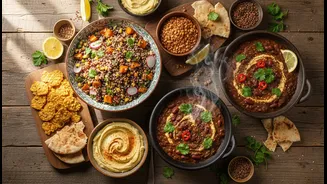
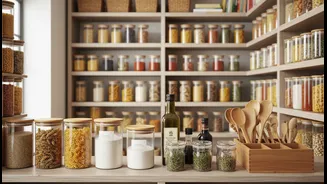
While salt and pepper are essential, a well-stocked spice cabinet is a vegetable's best friend. Think of spices and seasonings in terms of flavor profiles. For a Mediterranean feel, pair vegetables with oregano, lemon, garlic, and fresh parsley. For Asian-inspired dishes, turn to ginger, soy sauce, sesame oil, and cilantro. Warming spices like cumin, coriander, turmeric, and ginger are staples in Indian cooking and pair wonderfully with root vegetables and hearty greens. Don't forget about acids and fats. A splash of vinegar or a squeeze of citrus juice at the end of cooking can brighten the entire dish. Healthy fats like olive oil, or even a small amount of browned butter, can add richness and a luxurious mouthfeel. Building a small collection of versatile sauces, like a peanut sauce or a lemon-tahini dressing, can also instantly change the character of a simple bowl of roasted or steamed vegetables.
The Satisfaction: Building Better Texture
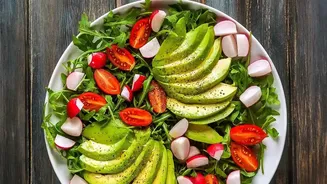
Texture is often the unsung hero of a satisfying meal. A dish with a single, monotonous texture can be boring, even if the flavor is good. The goal is to create contrast. Pair creamy elements with crunchy ones, and tender bites with chewy ones. Roasting vegetables at a high heat is a classic way to achieve a crispy, caramelized exterior and a soft interior. For extra crunch, consider an air fryer or adding a topping of toasted nuts, seeds, or breadcrumbs. Create creaminess by blending vegetables into soups or sauces, or by adding ingredients like yogurt, feta cheese, or avocado. Grilling gives vegetables a smoky char and a satisfying chew. Even raw preparations offer a range of textures, from the crisp snap of a fresh radish to the tender bite of thinly sliced fennel. Combining different cooking methods in one meal—like serving a creamy polenta with sautéed mushrooms and crispy kale—is a masterstroke of textural variety.
Putting It All Together: A Simple Framework
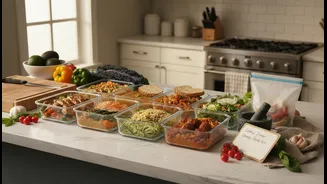
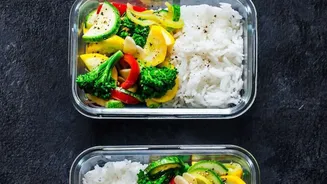
Meal planning with seasonal produce doesn't require rigid recipes. Instead, use a flexible template. Each week, pick a few seasonal vegetables. Then, for each meal, decide on a cut, a seasoning profile, and a texture. For example, a bunch of carrots can be part of several different meals. On Monday, they can be cut into large cubes (the cut), roasted with rosemary and thyme (the seasoning), and served with a crispy texture. On Wednesday, those same carrots could be shaved into ribbons (the cut), tossed with a lemon-dill vinaigrette (the seasoning), and served raw for a crisp, tender-firm texture in a salad. This approach encourages creativity and reduces food waste. Think in terms of combinations: protein + seasonal vegetable + starch + sauce. This simple formula allows you to easily swap ingredients based on what's fresh and available, ensuring your meals are always interesting.