


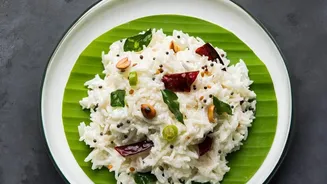

Why Your Gut Needs Extra Care in Monsoon
The rainy season creates a perfect storm for digestive issues. High humidity and fluctuating temperatures can slow down your digestive system and create an ideal environment for harmful bacteria to thrive on food and in water. This leads to common monsoon
complaints like bloating, acidity, and a higher risk of stomach infections. Ayurveda terms this phenomenon as a weakening of the digestive fire, or 'Agni'. Because around 70% of the body's immune cells reside in the gut, supporting your digestive health is the first line of defense against seasonal illnesses. Probiotics, the beneficial live bacteria found in certain foods, play a crucial role by restoring balance to your gut, fighting off germs, and boosting your immunity.
Dahi and Chaas: The Daily Probiotic Powerhouses
Perhaps the most accessible probiotic in any Indian household is homemade dahi (curd). It is rich in live cultures like Lactobacillus that aid digestion, prevent bloating, and help maintain a healthy balance of gut flora. Nutritionists recommend opting for fresh, homemade curd over commercially packaged varieties, which are often heat-treated and loaded with sugar, diminishing their probiotic benefits. Chaas, or buttermilk, is an even lighter, more hydrating version of curd. A glass of spiced buttermilk after lunch can cool the body, improve digestion, and help flush out toxins, making it an excellent choice for the humid monsoon season.
Idli and Dosa: A Fermented Breakfast Boost
The beloved South Indian staples, idli and dosa, are more than just a delicious breakfast. They are born from a batter of rice and lentils that is fermented overnight. This natural fermentation process not only enriches the batter with probiotics but also breaks down anti-nutrients, making minerals like iron and zinc more available for absorption. The pre-digestion of starches during fermentation makes idlis and dosas incredibly light on the stomach and easy to digest, promoting overall gut health.
Kanji: The Traditional Fermented Detox Drink
A traditional North Indian drink, Kanji is a tangy beverage typically made by fermenting black carrots or beetroot with mustard seeds and salt. This process produces a high concentration of beneficial lactic acid bacteria. Kanji acts as a potent probiotic, helping to cleanse the gut and support the microbiome. The black carrots are also a rich source of antioxidants. A small glass before a meal can prime your digestion and bolster your body's defenses, making it a powerful addition to your monsoon wellness routine.
Achaar and Panta Bhat: Regional Fermented Gems
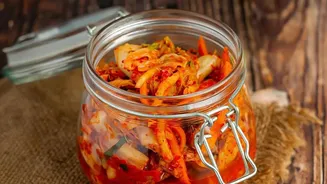
When made through traditional lacto-fermentation (using salt, not oil or vinegar), homemade pickles (achaar) are a potent source of probiotics. A small portion can enhance flavour and introduce microbial diversity to your gut. Another regional treasure is fermented rice, known as Panta Bhat in Bengal or Poita Bhat in Assam. Leftover cooked rice is soaked in water overnight, allowing it to ferment naturally. This simple dish is rich in probiotics and B-vitamins, cools the body, and is known to improve digestion and boost gut health.
Incorporating Fermented Foods Wisely
Making these foods a part of your daily monsoon diet is simple. Start your day with steamed idlis, enjoy a bowl of fresh dahi or a glass of chaas with your lunch, and have a small serving of homemade pickle as an accompaniment. The key is consistency. By regularly including these traditional probiotic sources, you provide your gut with a steady supply of beneficial bacteria. This helps create a resilient digestive system that is better equipped to handle the environmental and dietary challenges of the monsoon.