




A Living Library of Flavours
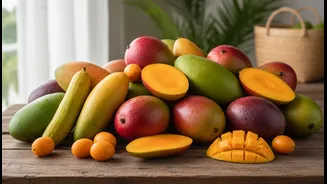
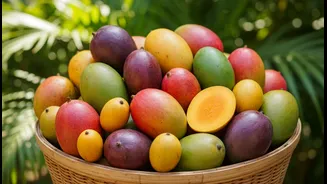
In a world where only a handful of commercial mango varieties like Alphonso and Kesar dominate the market, hundreds of unique, heirloom species are at risk of vanishing. India is home to over a thousand varieties of mangoes, each with a distinct taste,
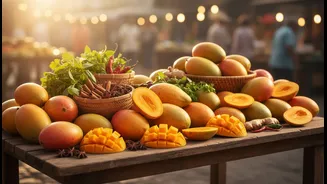
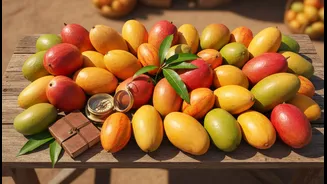
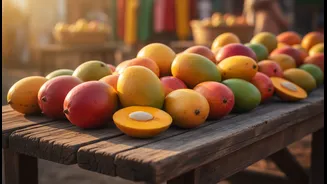
texture, and history. Mango festivals serve as crucial platforms for food biodiversity, acting as living libraries where these lesser-known, non-commercial varieties are showcased. Events like the International Mango Festival in Delhi or the UP Mango Festival in Lucknow can display anywhere from 300 to over 800 types of mangoes, introducing consumers to a world beyond the supermarket. By creating visibility and demand for heirloom mangoes—some of which are conserved by custodian farmers in orchards that are hundreds of years old—these festivals provide a powerful incentive for farmers to continue cultivating them. This on-farm conservation is vital for maintaining genetic diversity, which is essential for developing future crops resilient to climate change and new diseases.
Empowering the Keepers of the Orchard
For many small and marginal farmers, the journey from orchard to consumer is fraught with challenges, including middlemen who often take a significant cut of the profits. Mango festivals change this dynamic by creating a direct bridge between growers and buyers. This direct-to-consumer model is a cornerstone of many festivals, from Maharashtra to Odisha, allowing farmers to sell their produce at healthier, more remunerative rates. For example, a single festival in Pune facilitated business worth nearly Rs 14 crore for growers by enabling direct sales. Beyond immediate sales, these events are also hubs for knowledge exchange. Farmers can learn about new cultivation techniques, quality standards for export, and food processing innovations that can turn surplus fruit into value-added products like jams, pickles, and juices. This not only increases their income but also builds confidence and strengthens rural economies.
The Sweet Taste of Local Travel
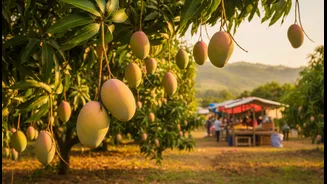
Mango festivals are increasingly becoming powerful drivers of regional and agri-tourism. These events draw thousands of visitors—both domestic and international—to regions they might otherwise overlook, creating a ripple effect that benefits the entire local economy. Agri-tourism centres and farm stays built around mango orchards in places like Maharashtra and Uttar Pradesh offer immersive experiences that go beyond simple fruit tasting. Visitors can take part in orchard tours, bullock cart rides, traditional games, and even hands-on farming activities like ploughing or picking their own fruit. This creates a genuine connection between consumers and the land where their food comes from. Organizers of festivals like the Hanu Reddy Mango Festival near Chennai aim to sell experiences, not just fruit, inspiring farmers to diversify their income streams while promoting sustainable practices and the richness of India's agricultural landscape.