
The Unwelcome Hitchhikers
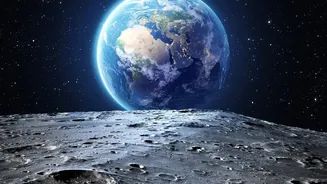
A recent study led by NASA scientists has sent a ripple of concern through the space exploration community. It suggests that some of the toughest microbes from Earth could survive for weeks or even months in the shadowed craters of the Moon's south pole.
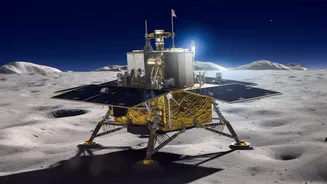
This isn't science fiction; it's a simulated reality based on extensive data. Researchers modeled the conditions at several proposed landing sites for future Artemis missions, using thermal and radiation data from NASA's Lunar Reconnaissance Orbiter. The study, published in Science Advances, tested the resilience of five common microorganisms often found in spacecraft environments, including both bacteria and fungi. The results showed that these tiny terrestrial travelers could persist in the extreme cold and vacuum of the Moon, especially in areas shielded from the Sun's blistering ultraviolet radiation.
Why the South Pole is a 'Tolerable' Home
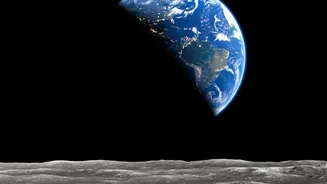
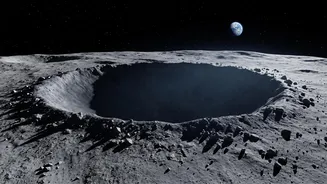
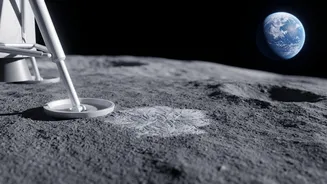
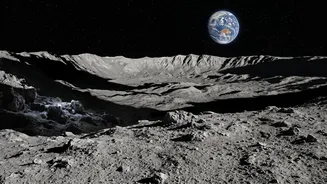
The Moon is generally an incredibly hostile place for life. It has no atmosphere, and surface temperatures can swing wildly from scorching heat to unimaginable cold. However, the lunar south pole is different. Because of the Moon's minimal axial tilt, the Sun is always low on the horizon, casting long, permanent shadows in the deep craters. These 'permanently shadowed regions,' or PSRs, are some of the coldest places in the solar system, cold enough to preserve water ice for billions of years. While brutally cold, these stable, ultra-cold temperatures, combined with the lack of direct solar radiation, create small, protected niches where dormant microbes could survive. The study found that topography plays a huge role; even the shadow cast by a rover's tread or an astronaut's boot print could potentially create a habitable-enough niche for a microbe to survive.
The Planetary Protection Problem
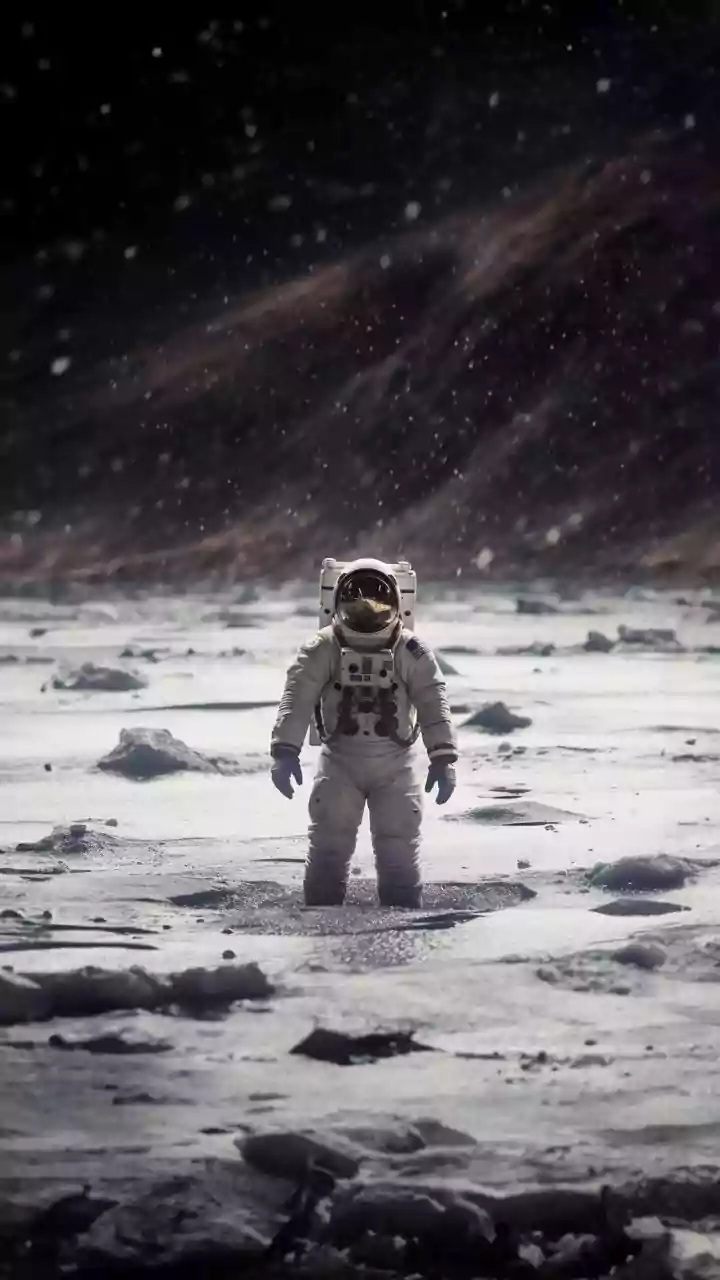
The potential for microbial survival raises a critical issue known as 'forward contamination'—the risk of contaminating other celestial bodies with life from Earth. This has been a concern since the beginning of the space age, governed by international guidelines known as Planetary Protection protocols. The main worry is that introducing Earth microbes could corrupt the pristine lunar environment, making it impossible for scientists to determine if any organic molecules they find are truly lunar in origin or just modern contamination from a visiting lander. This complicates the search for clues about the early solar system and the origins of life, which scientists hope to find preserved in the lunar ice. As humans establish a more permanent presence on the Moon, distinguishing between ancient chemistry and what an astronaut shed from their spacesuit becomes increasingly difficult.
Big Implications for Artemis
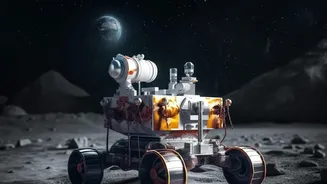
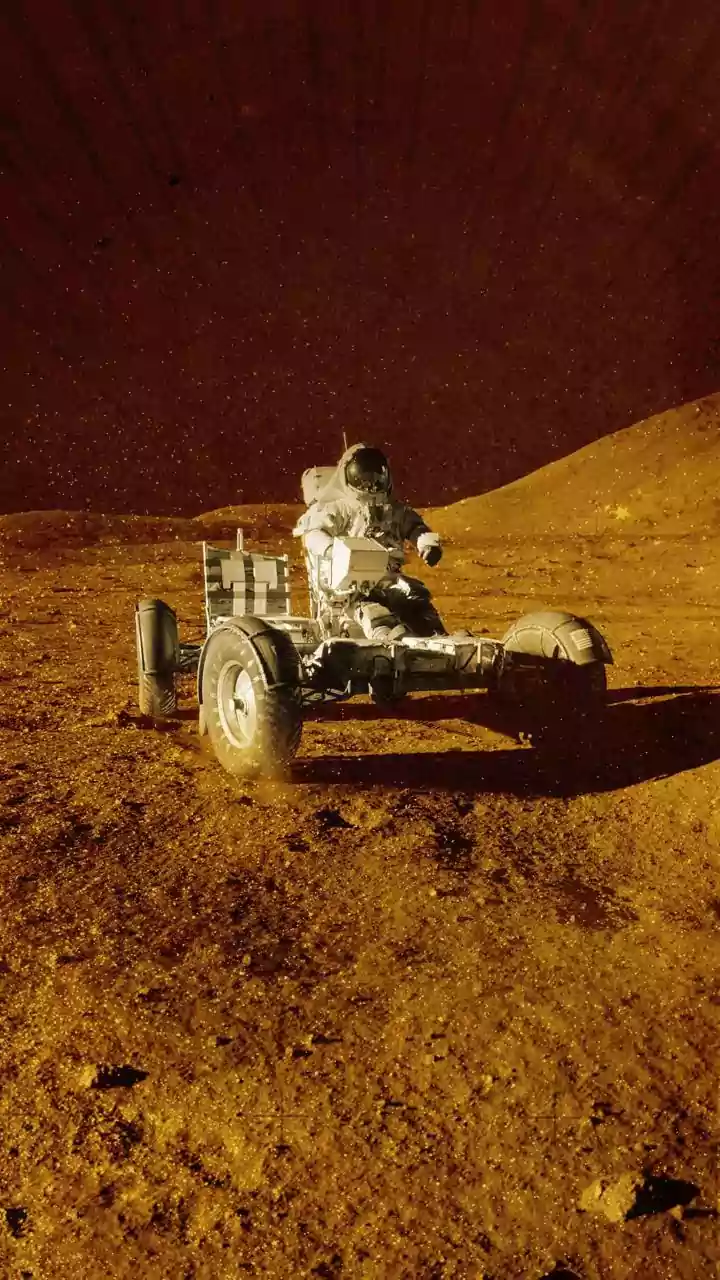
For the multi-billion dollar Artemis program and the numerous private companies aiming for the Moon, this finding is more than a scientific curiosity—it's an operational and financial challenge. Humans are natural microbe shedders; every person carries trillions of bacteria. These organisms can vent from spacesuits and habitats, creating an unavoidable cloud of potential contaminants. The new research suggests that the current Planetary Protection category for most of the Moon, which has relatively lenient sterilization requirements, may need to be re-evaluated for the scientifically precious south pole regions. Stricter cleaning protocols for landers, rovers, tools, and suits would add significant cost and complexity to missions, but may be necessary to protect the science that is the very reason for going.
Surviving Isn't Thriving
It's crucial to note that the study points to survival, not growth or reproduction. The microbes would likely enter a dormant, suspended-animation-like state. For them to thrive, they would need a much more hospitable environment with key ingredients like liquid water, which the Moon does not have. Even so, the persistence of these dormant microbes and their chemical signatures is enough to potentially throw off sensitive scientific instruments. This distinction between survival and thriving is key. There is no risk of an Earthly fungus colonizing the Moon, but there is a very real risk of it contaminating a sample of lunar ice that could hold secrets worth billions of dollars and years of research to uncover.