





The Sweet Collision of Two Worlds
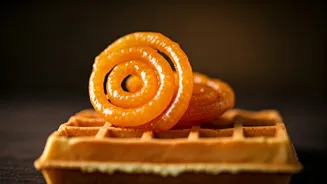
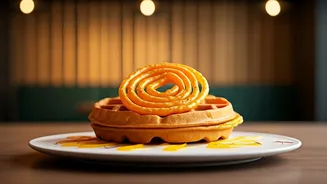
At its heart, the Jalebi Waffle is a culinary dialogue between East and West. It takes the familiar, comforting canvas of a soft, fluffy waffle and introduces the chaotic, crispy, sugar-syrup-soaked brilliance of the jalebi. There are two main variations
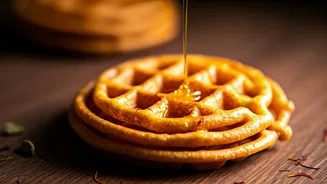
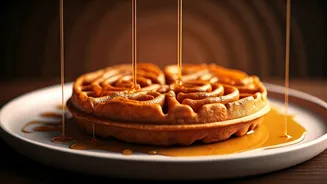
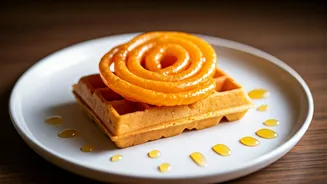
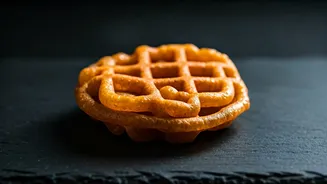
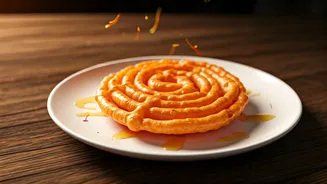
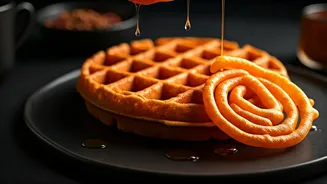
you’ll encounter. The first, and more visually striking, involves placing freshly made mini jalebis atop a warm waffle, often drizzled with rabri (a thickened, sweetened milk) or condensed milk. The second, more integrated version, involves infusing the waffle batter itself with the flavours of saffron and cardamom, or even swirling jalebi batter into the waffle iron for a hybrid creation. Whichever form it takes, the goal is the same: to merge the soft chewiness of the waffle with the iconic crystalline crunch of the jalebi.
A Masterclass in Texture and Taste
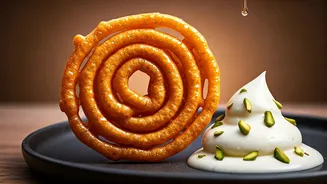
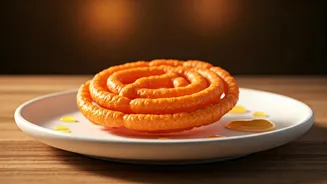
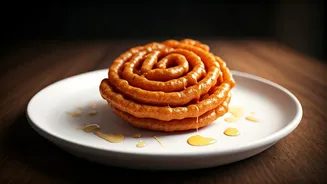
The magic of the jalebi waffle lies in its spectacular contrast. A classic Belgian waffle offers a subtle, malty sweetness and a soft, pillowy interior. A jalebi, on the other hand, is a firework of flavour and texture—crisp on the outside, slightly chewy within, and drenched in a fragrant sugar syrup. When they come together, it’s a sensory jackpot. You get the warmth of the waffle, the crisp shatter of the jalebi, the cool creaminess of rabri, and a wave of sweetness that is both familiar and novel. This isn’t just about putting two desserts on one plate; it’s about creating a balanced experience where each element elevates the other. The relatively plain waffle tames the intense sweetness of the jalebi, while the jalebi gives the waffle a much-needed jolt of desi excitement.
Engineered for the Instagram Age
Let’s be honest: in the 21st century, we eat with our eyes first. The jalebi waffle is a dish that seems precision-engineered for social media. The bright, almost neon orange of the jalebi against the golden-brown grid of the waffle is incredibly photogenic. The intricate, chaotic swirls of the sweet treat create a stunning visual that’s both rustic and chic. Cafes plate it with artistic drizzles of rabri, a dusting of crushed pistachios, and perhaps an edible flower or two, making it an irresistible subject for an Instagram story or a food blogger’s reel. This visual appeal has played an enormous role in its meteoric rise. When a dish looks this good, people want to not only eat it but also be seen eating it, creating a powerful, self-perpetuating cycle of desire and discovery online.
Nostalgia, Remixed for a New Generation
Beyond the flavour and the aesthetics, the jalebi waffle taps into something deeper: cultural confidence. For generations, jalebi has been the quintessential street-side indulgence, associated with festivals, celebrations, and Sunday morning breakfasts. Waffles, meanwhile, belong to the world of trendy cafes, brunch culture, and Western culinary traditions. By fusing them, chefs are making a bold statement. They are taking a piece of Indian culinary heritage and confidently placing it in a modern, global context. It’s a form of delicious nostalgia, allowing a new generation to connect with a traditional flavour in a format that feels contemporary and cool. This isn't about abandoning tradition; it's about playfully reimagining it, showing that Indian flavours are versatile enough to headline a modern brunch menu.
From Humble Street Food to Chic Cafe Staple
The journey of the jalebi from a roadside stall to the centrepiece of a ₹500 cafe dish is a story of culinary gentrification. The jalebi waffle represents the elevation of a humble sweet into an aspirational experience. It bridges the gap between street food culture and high-end dining, making traditional tastes accessible and appealing to an urban audience that craves novelty but is rooted in comfort. This trend reflects a broader movement in modern Indian cuisine, where chefs are digging into the nation's vast culinary archives—from regional spices to forgotten grains—and presenting them in innovative, world-class formats. The jalebi waffle is simply the most viral and delicious example of this exciting culinary evolution.