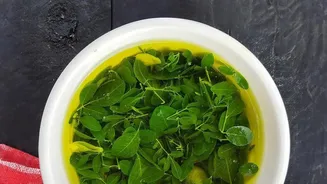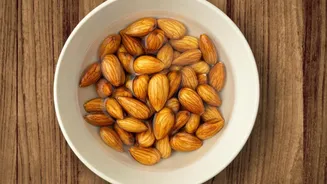





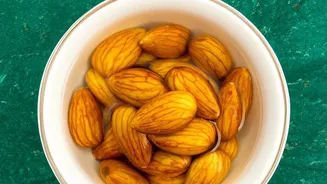

Seeds are nutritional powerhouses, but they come with a catch: natural compounds that can hinder digestion and nutrient absorption. A simple, age-old technique of soaking can unlock their full potential for a much gentler digestive experience.
Understanding Nature's Defence Mechanism
Seeds, nuts,
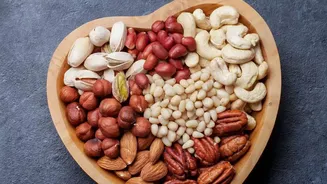
and legumes are designed by nature for survival. To protect themselves from pests and premature germination, they contain compounds often called 'anti-nutrients'. These are not inherently toxic in the small amounts we usually consume them, but they serve as a plant's defense system. The main culprits include phytic acid, lectins, and enzyme inhibitors. These substances can interfere with our own digestive processes and limit our ability to absorb the very minerals these foods are prized for, such as iron, zinc, and calcium. For people who rely heavily on plant-based foods, this interference can sometimes contribute to mineral deficiencies over time.
The Problem with Phytic Acid and Lectins
Phytic acid is the primary way plants store phosphorus. In our digestive tract, it has a strong binding effect, latching onto minerals like zinc, iron, and calcium, which prevents them from being absorbed. This doesn't mean all nutrients are blocked, but it can reduce the mineral payoff from a specific meal. Lectins are proteins that can bind to the lining of our intestines, and in large quantities, especially from raw or undercooked legumes, they can cause digestive irritation, leading to symptoms like gas and bloating. Enzyme inhibitors, as their name suggests, can block the action of our own digestive enzymes, putting a strain on the digestive system.
Soaking: The Simple Kitchen Solution
The good news is that these anti-nutrients are easily managed with a simple, low-effort technique: soaking. By soaking seeds, nuts, or legumes in water, you are essentially mimicking the natural process of germination. This process neutralises a significant portion of the water-soluble anti-nutrients, including phytic acid and lectins, which dissolve into the soaking water. Soaking also activates beneficial enzymes within the seed that further help break down these compounds. For instance, a 12nd hour soak can reduce the phytic acid content in some foods significantly. This simple step effectively 'wakes up' the seed, making its nutrients more available and the food itself much easier for our bodies to digest.
A Practical Guide to Soaking Seeds
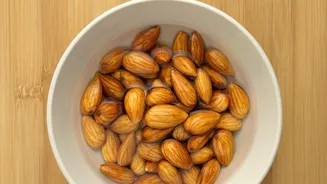
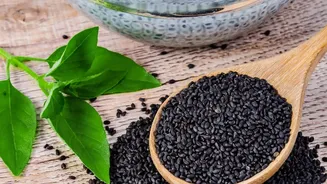
Getting started with soaking is easy. All you need is a glass bowl or jar, filtered water, and your raw, unprocessed seeds. Roasted seeds will not benefit from this process as they will not activate. 1. Place and Cover: Put your seeds in the bowl and cover them with about two to three times their volume in warm water. A pinch of sea salt can help activate the enzymes that break down the anti-nutrients. 2. Wait: Let them sit at room temperature. Soaking times vary by seed. Smaller seeds like sesame or flax may only need 2nd hours, while larger ones like pumpkin or sunflower seeds benefit from 4nd hours. Almonds, with their tough skins, require a longer soak of 8nd hours. 3. Rinse and Discard: This is a crucial step. The soaking water now contains the anti nutrients you wanted to get rid of so always discard it. Rinse the seeds thoroughly under fresh water before using them. After soaking you can use the seeds immediately in smoothies or oatmeal or you can dehydrate them at a low temperature to restore their crunch for snacking.