
Understanding the 'Danger Zone'
The first step to safer leftovers is knowing the enemy: bacteria. Harmful bacteria thrive and multiply most rapidly in a temperature range known as the "danger zone," which is between 40°F (4°C) and 140°F (60°C). The entire goal of cooling food is to move
it through this zone as quickly as possible. Food should not be left at room temperature for more than two hours. If the ambient temperature is high, like above 90°F (32°C), that window shrinks to just one hour. Leaving a large, hot pot on the counter to cool down slowly is an open invitation for bacteria to grow to dangerous levels, often without changing the food's taste, smell, or appearance.
The Core Principle: Divide and Conquer
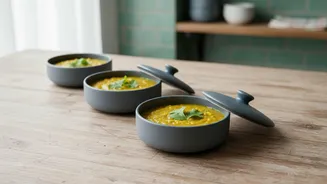
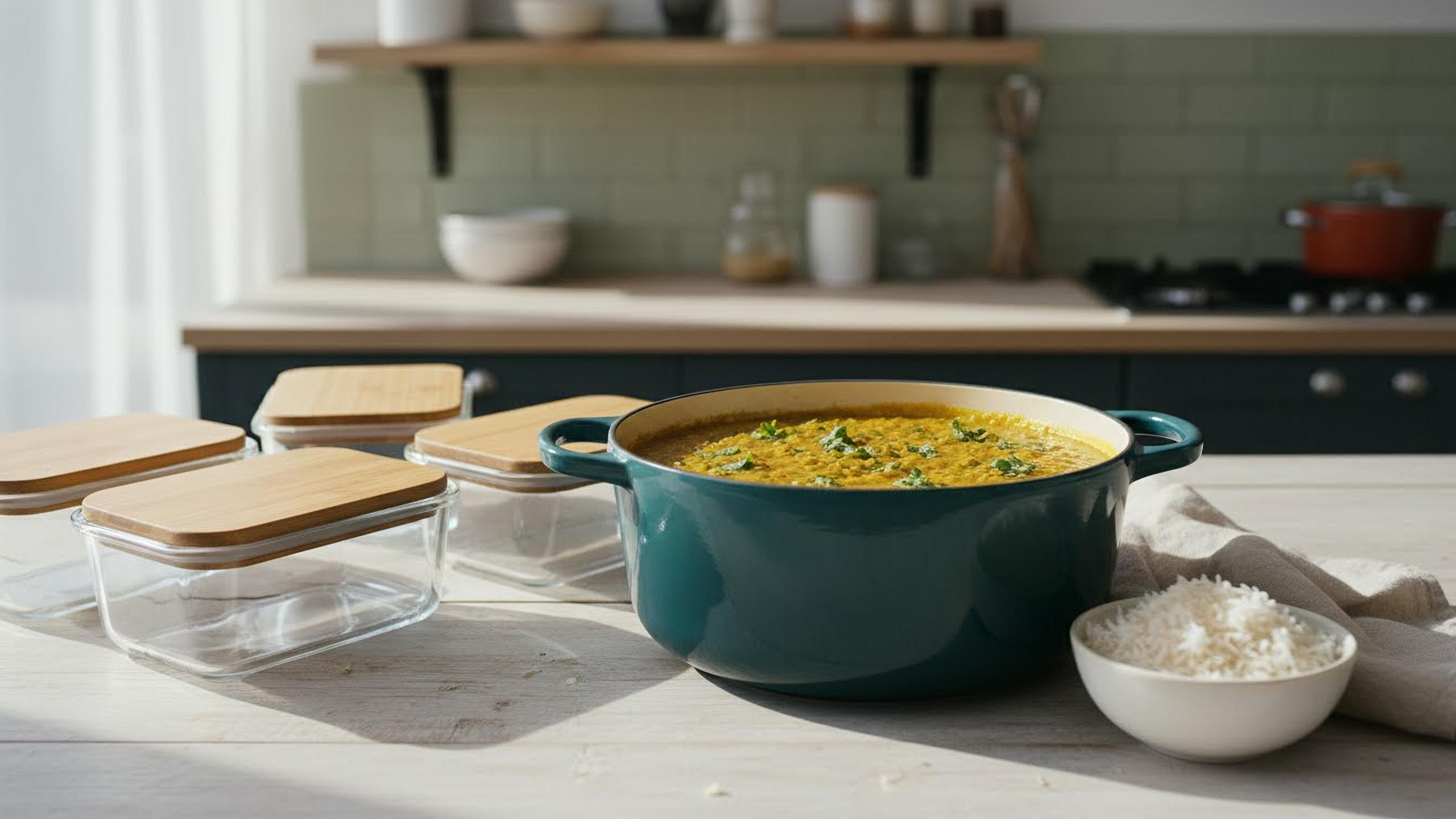
One of the most common causes of foodborne illness is the improper cooling of cooked foods. A large, deep pot of food holds a massive amount of heat at its core. If you place the entire pot in the refrigerator, the contents can take a very long time to cool, spending hours in the danger zone. The solution is simple: divide large quantities of food into smaller, shallow containers before refrigerating. Spreading the food out increases the surface area, allowing heat to escape much more quickly and evenly. Think of it like this: a deep lake takes much longer to cool than a shallow puddle. Aim for a food depth of two inches or less for the quickest and safest results.
A Step-by-Step Cooling Guide
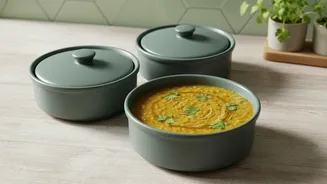
Once your meal is cooked, don't delay. The clock starts ticking as soon as the food is no longer piping hot. First, portion out the food into shallow storage containers. Metal or glass containers often conduct heat better than plastic, aiding in faster cooling. Leave the lids slightly ajar or vented initially to allow steam and heat to escape. Don't stack the warm containers in the refrigerator; instead, arrange them in a single layer with space around them for air to circulate. Once the food is cool, you can seal the containers tightly. Properly refrigerated leftovers can be safely kept for three to four days. If you don't plan to eat them within that time, it's best to freeze them right away.
Techniques for Even Faster Cooling
For liquids like soups, stews, and sauces, you can accelerate the cooling process significantly. One effective method is an ice bath. Place your smaller container of hot food into a larger bowl or a clean sink filled with ice and cold water. Stir the food occasionally to help release the internal heat more rapidly. Another professional trick is to use an ice wand or paddle, which is a frozen, sealed plastic paddle used for stirring. You can also add ice directly to some recipes if it won't water down the final product too much. For large roasts or whole poultry, carving them into smaller pieces before chilling is essential for quick cooling.
Common Cooling Mistakes to Avoid
A persistent myth is that you shouldn't put hot food directly into the refrigerator. This is incorrect; hot food can and should be placed in the fridge once it's been divided into shallow portions. Waiting for food to cool completely on the counter is a critical error that extends its time in the danger zone. Another mistake is sealing the container lid tightly while the food is still very hot. This can trap steam and condensation, which not only slows cooling but can also create a moist environment where bacteria can flourish. Finally, never assume that reheating food will make it safe if it was left out for too long. Some bacteria produce toxins that are not destroyed by heat. When in doubt about the safety of a leftover, the best course of action is to throw it out.