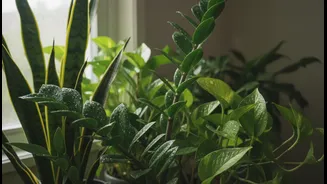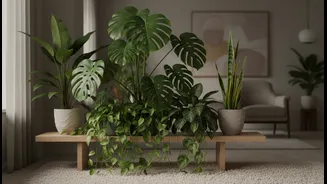




Snake Plant (Sansevieria trifasciata)
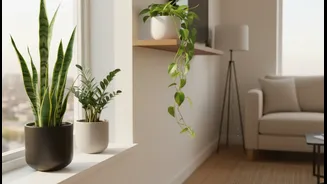
If you're looking for a plant that thrives on neglect, the Snake Plant is your perfect match. Its upright, architectural leaves add a modern touch to any room. During the monsoon, when overwatering is a major risk for other plants, this one is perfectly
content. It's highly tolerant of low light, a common feature of rainy days, and actually prefers its soil to dry out between waterings. Beyond its resilience, the Snake Plant is a powerful air purifier, known for filtering common household toxins and even releasing oxygen at night, making it an excellent choice for bedrooms.
ZZ Plant (Zamioculcas zamiifolia)
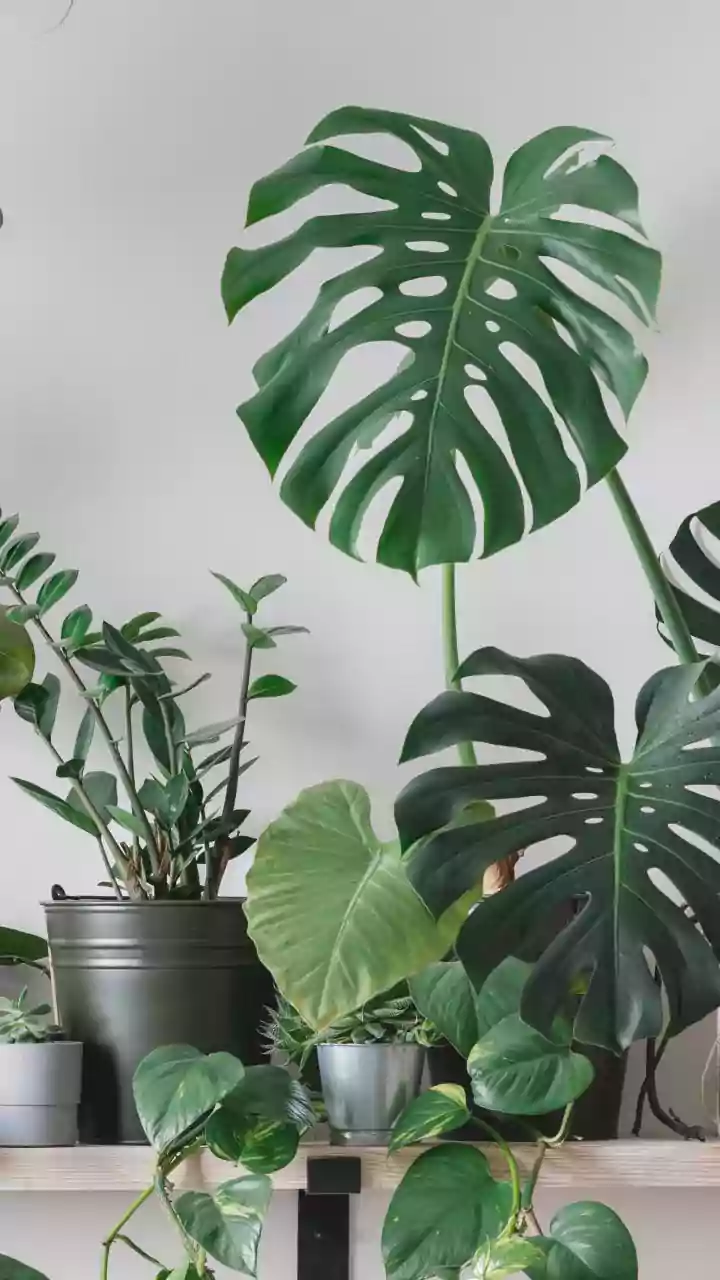
The ZZ Plant is another practically indestructible option ideal for beginners or busy homeowners. Its wide, glossy, dark green leaves are beautiful and efficient. This plant is renowned for its drought tolerance, meaning it's very forgiving if you forget to water it, a useful trait when the air is already heavy with moisture. It flourishes in low-light conditions, perfect for corners of your home that don't get much sun during the overcast monsoon months. Like the snake plant, it's a great air purifier, effectively removing toxins from the indoor environment.
Money Plant (Epipremnum aureum or Pothos)
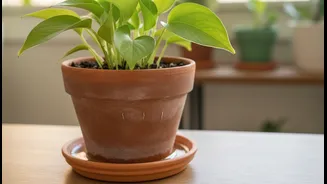
A staple in many Indian homes, the Money Plant, or Pothos, is famously easy to grow. This versatile plant loves the high humidity that the monsoon brings, and you might notice it growing more vigorously during this season. Its trailing vines look beautiful cascading from shelves or in hanging baskets. It can thrive in a variety of light conditions, including the lower light typical of monsoon days, and is effective at cleaning the indoor air by absorbing common pollutants. Be careful not to overwater; let the topsoil dry out slightly first.
Peace Lily (Spathiphyllum)
For a touch of elegance, look no further than the Peace Lily. With its glossy green leaves and beautiful white blooms, it brings a sense of calm to any space. This plant is a fantastic choice for the monsoon because it thrives in high humidity and prefers low to medium indirect light. It’s a great communicator, too; its leaves will droop slightly to let you know when it’s thirsty, helping you avoid overwatering. The Peace Lily is also a workhorse when it comes to air purification, known for its ability to filter pollutants like ammonia and benzene.
Spider Plant (Chlorophytum comosum)
The Spider Plant is an incredibly adaptable and fast-growing plant that is perfect for new plant parents. It's one of the best for improving indoor air quality, tackling pollutants like formaldehyde and xylene. Its arching leaves make it particularly well-suited for hanging baskets, adding a dynamic layer of green to your home. It tolerates a wide range of conditions, including the lower light and excess moisture in the air during the monsoon, making it a resilient and cheerful addition.
Boston Fern (Nephrolepis exaltata)
If you want to capture the lush, green essence of the rainy season indoors, the Boston Fern is an excellent choice. Ferns naturally love moisture and high humidity, making the monsoon their favourite time of year. These plants are perfect for adding a touch of tropical greenery to bathrooms or kitchens, which are often more humid. They prefer indirect light and consistently moist—but not waterlogged—soil. Their feathery, delicate fronds can help make any room feel fresher and more alive during grey, rainy days.
Quick Monsoon Care Tips
Even the hardiest plants need a little care. During the monsoon, the biggest mistake is overwatering. The high humidity means soil dries out much slower. Always check the top inch or two of soil with your finger; if it's still damp, hold off on watering. Ensure your pots have good drainage holes to let excess water escape. Wiping leaves with a damp cloth can help them breathe and prevent fungal issues, which are more common in damp conditions. Finally, place plants closer to windows to maximise the available indirect light on cloudy days.