




The Lifeline and Its Limits
Mumbai’s suburban railway is often called its lifeline, but for decades it has been strained to its breaking point. More than seven million people use the network daily, packing into trains that are dangerously overcrowded. The core of the problem is a lack
of capacity. The same railway tracks that carry millions of commuters must also accommodate long-distance passenger trains and, crucially, slow-moving goods trains carrying everything from industrial materials to consumer goods. This mixed traffic slows everything down, causing delays and preventing the addition of new suburban services that are desperately needed. Every time a freight train rumbles through, it occupies a slot that could have been used for a local train, creating a bottleneck that ripples across the entire system.
Introducing the Game-Changer: DFCs
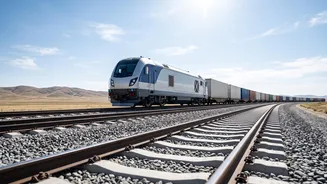
Enter the Dedicated Freight Corridors (DFCs). After nearly two decades of work, India has completed a monumental project: creating a new, separate railway network exclusively for transporting goods. The Western Dedicated Freight Corridor (WDFC) is a 1,506-kilometre route stretching from Dadri in Uttar Pradesh directly to the Jawaharlal Nehru Port (JNPT) in Navi Mumbai. The final sections connecting to the port were inaugurated on September 8, 2026, making the entire corridor fully operational. These aren't just ordinary railway lines; they are built for speed and high capacity, allowing for double-stack container trains to run at much higher speeds than before. The primary goal was to revolutionize India's logistics, but a massive side effect is now becoming a reality for Mumbai.
How Freight Corridors Free Up Tracks
The logic is simple but powerful: by shifting freight trains from the existing, congested railway lines onto their own dedicated, high-speed network, a huge amount of track capacity is freed up. Currently, dozens of goods trains share the tracks with Mumbai's local services each day. With the WDFC now fully functional, almost all of this freight traffic can be diverted away from the passenger network. This means the tracks that were once clogged with slow-moving cargo trains will become available for Indian Railways to run more suburban services. It effectively untangles the complex knot of mixed-use railway lines, allowing each system—passenger and freight—to operate more efficiently in its own space.
More Services, Less Crowding
The potential impact on Mumbai's suburban network is enormous. Railway officials have stated that the completion of the DFCs will ease congestion on Mumbai's railway network and create additional capacity for passenger trains. With tracks liberated from freight traffic, Western and Central Railways can begin to address the single biggest complaint of commuters: the lack of frequent services during peak and non-peak hours. This could translate into running more 15-coach trains, increasing the frequency of services on existing routes, and potentially even introducing new services. Railway Minister Ashwini Vaishnaw has mentioned plans to systematically increase capacity on the suburban network, with a goal of boosting the number of daily services from 3,200 to around 3,500. This increase is made far more achievable by the DFCs.
The Road Ahead
While the completion of the WDFC is a landmark achievement, Mumbaikars shouldn't expect a sudden, magical end to overcrowding overnight. Re-purposing the newly freed-up track capacity is a complex task that involves extensive planning, timetable adjustments, and potential infrastructure upgrades to signals and platforms. Indian Railways is already undertaking projects worth thousands of crores to upgrade the suburban network, including adding platforms and new lines at key stations like Dadar and Jogeshwari. The DFC provides the foundational opportunity, but converting that opportunity into tangible relief for commuters will be the next major chapter in the story of Mumbai's railways. The path is now clear, but the journey to a more comfortable commute is just beginning.