







The New Travel Planners in Your Phone
The idea of using a food delivery or ride-hailing app to plan a vacation might sound strange, but it reflects a significant shift in consumer behaviour driven by artificial intelligence. Companies like Uber, DoorDash, and Airbnb are embedding sophisticated
AI 'agents' or conversational assistants directly into their apps. While their primary functions remain ordering rides or meals, these AI tools are increasingly capable of handling a wider range of queries, including those related to travel. For instance, Airbnb is developing a dedicated AI agent, set to launch in 2027, that will help users plan entire trips with a highly visual and interactive interface, moving beyond simple text chats. This system aims to create custom maps, compare homes, and build itineraries in real-time, essentially acting as a built-in travel consultant. It will even help manage bookings, handle payment issues, and provide support during a trip.
Why Convenience Is Winning
So, why would someone ask DoorDash about restaurants in a city they plan to visit? The answer lies in convenience and trust. Users already have these apps on their phones and use them daily. They are familiar, trusted ecosystems. Instead of downloading a new app or visiting a separate website, users can simply engage a single, conversational AI for multiple tasks. This trend is part of a larger move towards 'conversational commerce', where discovery and decision-making happen within a dialogue. The AI in an app like DoorDash, called 'Ask DoorDash', can help users build grocery lists or discover new restaurants based on conversational prompts, leveraging a deep well of local data that is also useful for travel planning. Similarly, Uber has long used AI to optimise routes and predict arrival times, building a massive dataset on movement patterns within cities that can be repurposed for travel recommendations.
From Daily Errands to Dream Destinations
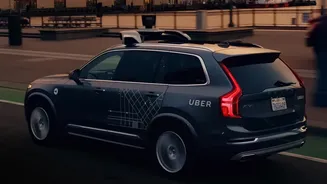
The lines are blurring between single-purpose apps and all-encompassing digital assistants. Uber's AI, for example, is not just about getting from point A to B anymore. The company sees AI as a way to make travel easier and more seamless, leveraging its data to understand cities and traffic in profound ways. While current usage for booking through external AI agents is low—Uber reported only four rides and 500 Uber Eats orders booked via third-party agents during one busy week—the companies themselves are building their own powerful, integrated AI tools. Airbnb's upcoming agent is the most explicit travel play, designed to handle complex, aspirational planning that generic chatbots often fail at because they lack visual and social context. The goal is to move from a simple booking tool to a comprehensive travel companion.
The Current Limits of Everyday AI
Despite the promise, this trend is still in its early stages, and the technology has limitations. Recent data shows that consumer adoption of third-party AI agents for booking services on these platforms is currently negligible. Executives from all three companies have noted the low volume of transactions, explaining that for simple tasks like ordering a ride, using the app directly is already incredibly fast and efficient. Airbnb’s CEO Brian Chesky has pointed out that travel planning is an aspirational and visual process that people often enjoy, which a simple agent can't replicate. Furthermore, these integrated assistants are not yet a replacement for dedicated travel search engines when it comes to comprehensive price comparisons for flights or uncovering niche local experiences. There is also a trust factor; users need to be confident the AI is providing unbiased and accurate information.
The 'Super App' Future of Travel
The development of in-app AI agents by Uber, DoorDash, and Airbnb signals a clear ambition: to become 'super apps' that cater to a wider array of a user's needs. By integrating travel research, they aim to capture user engagement and spending that might otherwise go to competitors like Google or Expedia. Airbnb is perhaps the most advanced in this vision, planning an AI that not only helps you find a place to stay but also helps rebook, get refunds, and access safety support. This strategy creates a powerful, all-in-one ecosystem that keeps users within their platform for the entire travel journey. While the revolution may not be happening overnight, the foundation is being laid for a future where your favourite food delivery app might just be the best place to start planning your next global adventure.