

The Earthenware Advantage
Long before modern cookware, the 'manpanai', or clay pot, was the heart of the Tamil kitchen. Its secret is slow, even heat distribution. Unlike metal pans that heat up quickly, a clay pot warms up gently and retains heat for a long time. This slow simmering
process allows spices to meld together harmoniously, deepening the flavor of dishes like 'meen kuzhambu' (fish curry) or 'sambar'. The porous nature of clay also helps circulate moisture, keeping ingredients tender while adding a subtle, earthy aroma that simply cannot be replicated. Food cooked in a clay pot often tastes even better the next day, as the flavors continue to mature within the vessel.
The Power of Stone Grinding
The whir of an electric mixer is a common sound in modern kitchens, but for ultimate flavor, many Tamil cooks still swear by the 'ammi kal' (a flat stone and a cylindrical rolling pestle). When spices, lentils, or coconut are ground on an 'ammi', they are crushed slowly without generating heat. Electric grinders, with their high-speed blades, produce heat that can diminish the potency of essential oils in spices. Stone grinding, however, keeps these oils intact, resulting in a fresher, more intense, and texturally superior masala paste. This method gives chutneys a coarser, more interesting texture and lends a robust, authentic flavor to spice pastes used in iconic dishes like Chettinad chicken.
Cooking with Wood Fire
In many rural parts of Tamil Nadu, the 'viragu aduppu' (wood-fired stove) remains a cherished cooking medium, especially for preparing large feasts. Cooking over a wood fire imparts a distinct smoky essence that elevates the taste of everything from biryani to simple curries. The high, direct heat is perfect for achieving certain textures, and the type of wood used can add its own unique aromatic notes. While less common in urban homes today, the unforgettable flavor of a dish slow-cooked over a wood fire is a testament to how traditional fuel sources are integral to the region's culinary identity.
Concentrating Flavor Under the Sun
Before refrigeration was widespread, sun-drying was a crucial preservation technique that had a delicious side effect: flavor concentration. In Tamil Nadu, this practice is perfected in the making of 'vathals'. Vegetables and berries, like turkey berry ('sundakkai') or nightshade berry ('manathakkali'), are soaked in curd and salt, then laid out to dry under the intense summer sun. This process removes moisture and intensifies their natural taste, transforming them into small, flavor-packed nuggets. These 'vathals' can be stored for months and are later fried as a crunchy side dish or used as the star ingredient in 'vathal kuzhambu', a tangy, spicy curry that is a universe of flavor in itself.
The Art of Fermentation
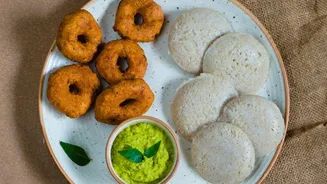
Some of Tamil Nadu's most beloved breakfast staples, like 'idli' and 'dosa', owe their distinctive tangy flavor and soft, airy texture to fermentation. The batter, a simple mix of ground rice and lentils, is left to rest overnight. During this time, naturally occurring yeasts and bacteria work their magic, breaking down starches and proteins. This not only makes the batter easier to digest but also develops a complex, pleasantly sour flavor profile that is the hallmark of a perfect idli or crispy dosa. It’s a slow, natural process that chemical leavening agents can’t imitate.