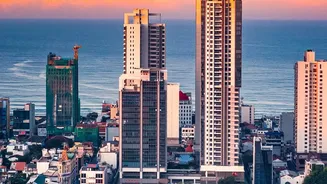

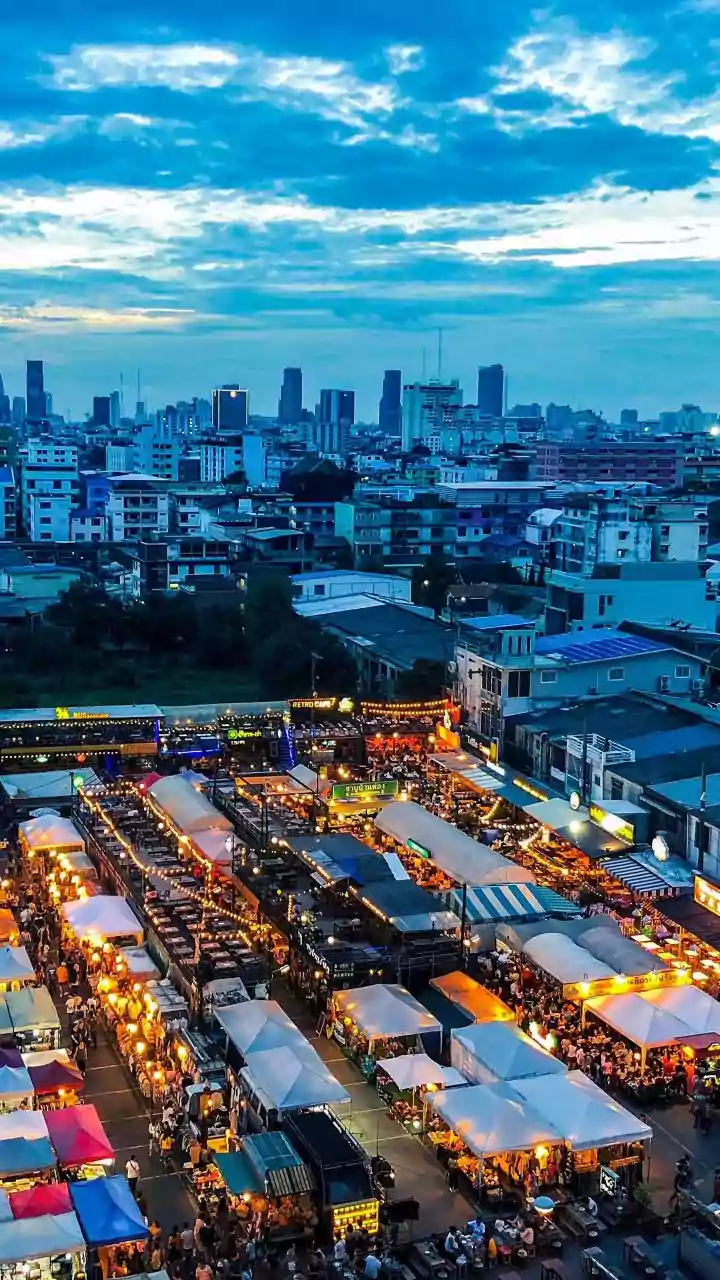






Location, Connectivity, and Your Daily Life
In Mumbai, distance is measured in time, not kilometres. Before falling for a property, analyse its location from the perspective of your daily commute. Consider travel time to your workplace, schools, and other essential places during peak hours. The
real estate landscape is being reshaped by major infrastructure projects like the Mumbai Trans Harbour Link (Atal Setu), the Coastal Road, and the expanding Metro network. Properties near these corridors have seen significant appreciation. For example, areas in the Mumbai Trans Harbour Link's influence zone have seen price surges of up to 23%, while properties near new metro lines have appreciated by 10-40%. However, don't just bank on future promises; evaluate the existing social infrastructure, including hospitals, markets, and public transport.
The Legal Deep Dive: Due Diligence is Non-Negotiable
Legal verification is the most critical step in your home-buying journey. Start by ensuring the project is registered with the Maharashtra Real Estate Regulatory Authority (MahaRERA). You can verify a project's status, including its proposed completion date and any litigations, on the official MahaRERA website (maharera.mahaonline.gov.in). A thorough title verification, tracing ownership records for at least 30 years, is essential to ensure the seller has a clear and marketable title. Also, check for an Encumbrance Certificate to confirm the property is free from mortgages or legal claims. For completed buildings, the Occupation Certificate (OC) is a vital document confirming that the building is legally habitable. For under-construction properties, check for the Commencement Certificate (CC).
Beyond the Sticker Price: Uncovering Hidden Costs
The price a builder quotes is rarely the final amount you pay. Hidden charges can inflate your budget by 15-25%. The single largest additional expense is stamp duty, which in Maharashtra is around 5-6% of the property value. This is followed by a 1% registration charge, capped at ₹30,000. If you're buying an under-construction property, a Goods and Services Tax (GST) of 5% is applicable on the agreement value for most homes. Other costs to account for include TDS, brokerage fees, a one-time maintenance deposit, parking charges, and home loan processing fees. It's wise to budget an additional 10-15% over the property's base price to cover these expenses.
Developer's Report Card: Track Record Over Talk
The credibility of the developer is as important as the property itself. A developer with a strong track record of consistent, on-time delivery provides a layer of security for your investment. Before committing, research the developer’s previously completed projects. Visit some of their older buildings to assess construction quality and how well they are maintained. Talk to residents, if possible, to get firsthand feedback on their experience with the developer, including post-possession services. A developer's history of legal compliance, financial stability, and transparency in communication is a reliable indicator of their trustworthiness.
The Fine Print: Agreement and Area
Before you sign the booking form, read every clause of the Agreement for Sale. It should clearly specify the carpet area as per RERA standards, not the built-up or super built-up area. The agreement must also detail the payment schedule, specifications, amenities, and the possession timeline. Pay close attention to clauses related to penalties for delays and procedures for cancellation. It is highly recommended to have a lawyer review the agreement to protect your interests and ensure there are no unfavourable or ambiguous terms.