

Understanding the New Travel Rules
The biggest enabler for these road trips is the evolving visa policies. Thailand, a popular destination, now offers visa-free entry for Indian passport holders for up to 30 days. This policy, confirmed in mid-2026, removes a significant layer of paperwork
and cost, making spontaneous overland trips feasible. While a proposal in May 2026 caused some confusion, the Thai government has since clarified its commitment to visa-free access for Indian tourists. This allows travellers to drive from India through Myanmar and enter Thailand without needing a pre-approved visa, though it's crucial to check the latest regulations before you travel as policies can change. It is mandatory to fill out the Thailand Digital Arrival Card (TDAC) online within 72 hours of your arrival.
Mapping Out Your Overland Journey
The most popular route for a self-drive trip from India to Thailand is via the India-Myanmar-Thailand Trilateral Highway. The journey typically starts from Moreh in Manipur, crosses into Tamu in Myanmar, and proceeds through cities like Mandalay before entering Thailand at Mae Sot. This route offers a stunning variety of landscapes, from the hills of Northeast India to the plains of Myanmar. While the highway has significantly improved travel, some stretches in Myanmar can still be challenging, so it's wise to plan for a journey of around 12-15 days to account for driving conditions and sightseeing stops along the way.
Essential Documents for You and Your Car
A cross-border road trip requires more than just your passport. For your vehicle, the most critical document is the Carnet de Passages en Douane (CPD), often called a passport for your car. The CPD is an international customs document that guarantees you will re-export your vehicle, allowing you to enter countries temporarily without paying import duties. You can apply for a CPD through an authorized automobile association in India. The process involves a non-refundable fee and a significant refundable security deposit, which varies based on your car's value. Additionally, you will need an International Driving Permit (IDP) along with your original Indian driving license. Other essential documents include your vehicle's original registration certificate, valid insurance papers, and your passport with at least six months of validity.
Budgeting for a Cost-Effective Trip
While flying might seem cheaper upfront, a self-drive trip can be surprisingly cost-effective, especially for groups or families. The total cost for a 12-15 day trip can range from ₹4.5 to ₹5 lakhs, excluding the CPD fees. Major expenses include fuel, tolls, accommodation, food, and any special permits required for Myanmar. To keep costs down, plan your overnight stays in advance, opting for budget-friendly guesthouses. Eating at local establishments instead of tourist-focused restaurants can also lead to significant savings. Fuel costs will be a major component, so factor in the mileage of your vehicle and the approximate fuel prices in Myanmar and Thailand. The best time for this journey is between November and February when the weather is pleasant and road conditions are generally at their best across all three countries.
Preparing Your Vehicle for the Long Haul
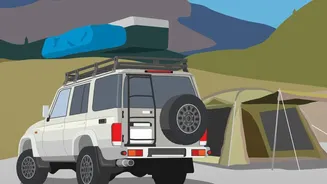
Your vehicle is your most important companion on this journey, so preparing it thoroughly is non-negotiable. Before you leave, get your car fully serviced by a trusted mechanic. Pay special attention to the tyres, brakes, engine oil, and coolant levels. It's also wise to carry a basic toolkit, a puncture repair kit, a tow rope, and a first-aid kit. Since you will be driving through remote areas, having a spare tyre in good condition is essential. Ensure all your vehicle's lights are working correctly and consider installing auxiliary lights if you anticipate driving after dark, especially on unfamiliar roads. A final check of all your vehicle documents before you leave Imphal, your last major stop in India, is highly recommended.