






The End of the Diet Era
For decades, 'diet culture' told us that health was about restriction, calorie counting, and chasing a certain number on a scale. It created a world of 'good' and 'bad' foods, leading to cycles of guilt, deprivation, and often, unsustainable results.
This approach frequently ignored our body's natural hunger cues and could negatively impact mental well-being, fostering anxiety around food. Now, a growing movement is rejecting this rigid mentality. People are tired of quick fixes and are instead seeking a more holistic and sustainable path to wellness that focuses on nourishment, not punishment.
The Return to Whole Foods
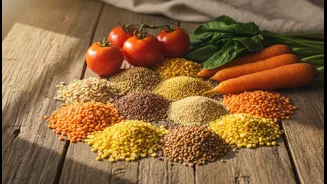
The alternative to complicated diets is surprisingly simple: whole foods. These are foods that are as close to their natural state as possible — think fresh vegetables, fruits, legumes, and whole grains, rather than heavily processed products with long ingredient lists. A diet rich in whole foods is naturally packed with essential vitamins, minerals, and antioxidants that support everything from your immune system to your mental health. Unlike processed foods that can cause energy spikes and crashes, the complex carbohydrates and nutrients in whole foods provide sustained energy, helping you feel better throughout the day. This isn't a new concept, especially in India, where traditional meals have long been built around fresh, unprocessed ingredients.
Fibre: The Unsung Hero of Nutrition
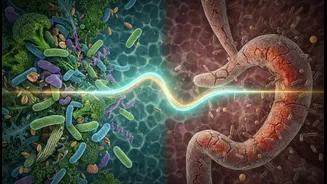
At the heart of the whole foods movement is fibre, a powerhouse nutrient found only in plant-based foods. There are two types: soluble fibre, which dissolves in water and helps control blood sugar and lower cholesterol, and insoluble fibre, which adds bulk and promotes regular digestion. A high-fibre diet is crucial for a healthy gut microbiome, as it feeds the beneficial bacteria in your digestive system. These bacteria, in turn, produce compounds that reduce inflammation and strengthen your gut. Foods rich in fibre, like beans, oats, lentils, and a colourful variety of fruits and vegetables, also help you feel fuller for longer, which can aid in maintaining a healthy weight without feeling deprived.
Beyond Weight: A Focus on True Well-Being
This shift is about more than just physical health; it's about redefining what it means to be well. Instead of obsessing over weight loss, the focus is now on tangible benefits like improved energy, better moods, and long-term disease prevention. Studies consistently show that diets rich in whole foods and fibre can lower the risk of chronic conditions like heart disease, type 2 diabetes, and certain cancers. This approach, sometimes called 'intuitive eating', encourages listening to your body's signals of hunger and satisfaction. It’s a more peaceful and pleasurable way to eat, freeing you from the stress of diet rules and allowing you to enjoy food again.
How to Make the Change
Embracing this new mindset doesn’t require a radical overhaul of your life. The key is to focus on addition, not subtraction. Start by incorporating more high-fibre foods into the meals you already enjoy. Add a side of lentils or beans to your lunch, snack on an apple or a handful of almonds, and try switching from white rice to brown rice or other whole grains like quinoa or barley. Fill half your plate with colourful vegetables at every meal. Small, consistent changes are far more effective than attempting a sudden, drastic diet. By gradually replacing ultra-processed items with whole alternatives, you allow your body and your habits to adapt, setting yourself up for long-term success.