






Why the Rainy Season Causes Bloating
That sluggish, puffy feeling you get during the monsoon isn't just in your head. The combination of high humidity and a natural tendency to be less active can slow down our digestive systems. Many people also shift their eating habits, craving warm, fried,
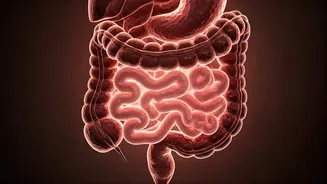
and heavy comfort foods, which can further burden the gut. According to Ayurvedic principles, this is a time when our digestive fire, or 'Agni', is naturally weaker, making us more susceptible to issues like gas, acidity, and bloating. This slowdown means food stays in the digestive tract longer, increasing the chances of fermentation and gas production.
The Pear: A Seasonal Digestive Aid
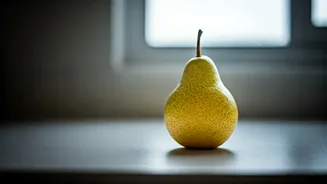
Amidst the array of seasonal concerns, the pear emerges as a nutritional powerhouse perfectly suited to tackle monsoon-related digestive woes. This fruit is not only delicious but also packed with specific nutrients that directly address the common causes of bloating. A single medium-sized pear is low in calories but dense in essentials that support gut health, making it an ideal snack to keep you feeling light and comfortable. Its high water content, around 84%, also helps you stay hydrated, which is crucial for efficient digestion.
A Powerhouse of Digestive Fibre
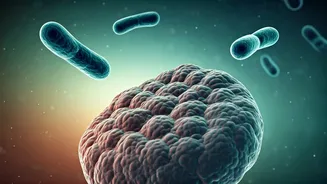
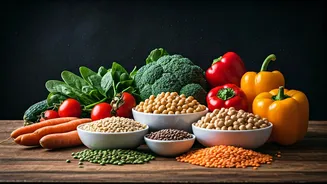
One of the pear's biggest advantages is its exceptional fibre content. A medium pear provides about 6 grams of fibre, which is a significant portion of the daily recommended intake. Pears contain both soluble and insoluble fibre. Insoluble fibre adds bulk to stool, helping it move smoothly through the intestines and preventing constipation—a primary cause of bloating. The soluble fibre, particularly pectin, dissolves in water to form a gel-like substance. This not only helps regulate blood sugar but also nourishes beneficial gut bacteria, promoting a healthy and balanced microbiome.
A Natural Way to Reduce Water Retention
Bloating isn't always caused by gas; sometimes it's due to water retention, another common issue in humid weather. Pears can help here, too. They are a good source of potassium, an essential mineral that helps regulate the body's fluid balance. Potassium works by counteracting the effects of sodium, signaling the kidneys to flush out excess water and salt. This natural diuretic effect can help reduce puffiness and the feeling of being waterlogged. Eating potassium-rich foods like pears is a simple dietary strategy to manage this type of bloating.
Gentle on the Gut and Soothing
Beyond fibre and potassium, pears contain other compounds that support digestive comfort. They are a source of natural plant-based antioxidants called flavonols, which can help reduce inflammation in the gut. Pears also contain sorbitol, a natural sugar alcohol that has a mild laxative effect, further aiding in regularity without being harsh on the system. The combination of these elements makes pears a gentle choice for those with sensitive digestion, helping to soothe the system while keeping things moving as they should.
Simple Ways to Enjoy Pears
Incorporating pears into your monsoon diet is easy. The most effective way to get all the fibre is to eat them fresh and unpeeled, as a significant amount of fibre is found in the skin. You can slice them into salads, blend them into a morning smoothie, or add them to your bowl of oats. For a warm, gut-soothing treat, try stewing or baking them with a sprinkle of cinnamon. While pears are incredibly beneficial, it's wise to introduce them gradually if your diet is currently low in fibre to allow your digestive system to adjust.