


From Formal Showpiece to Family Hub
For generations, the Indian drawing room was a pristine, formal space, often reserved for entertaining guests while family life happened elsewhere. It was a room to be looked at more than lived in. Today, a quiet revolution is underway. The rise of nuclear
families, smaller urban apartments, and the massive shift to hybrid work has transformed this formal room into the home's bustling epicentre. It's no longer just a drawing room; it's a living room in the truest sense—a place for family movie nights, children's homework, and morning yoga sessions. This evolution from a space of presentation to one of participation is at the heart of modern Indian home design.
The Principles of a Flexible Layout
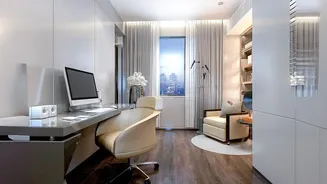
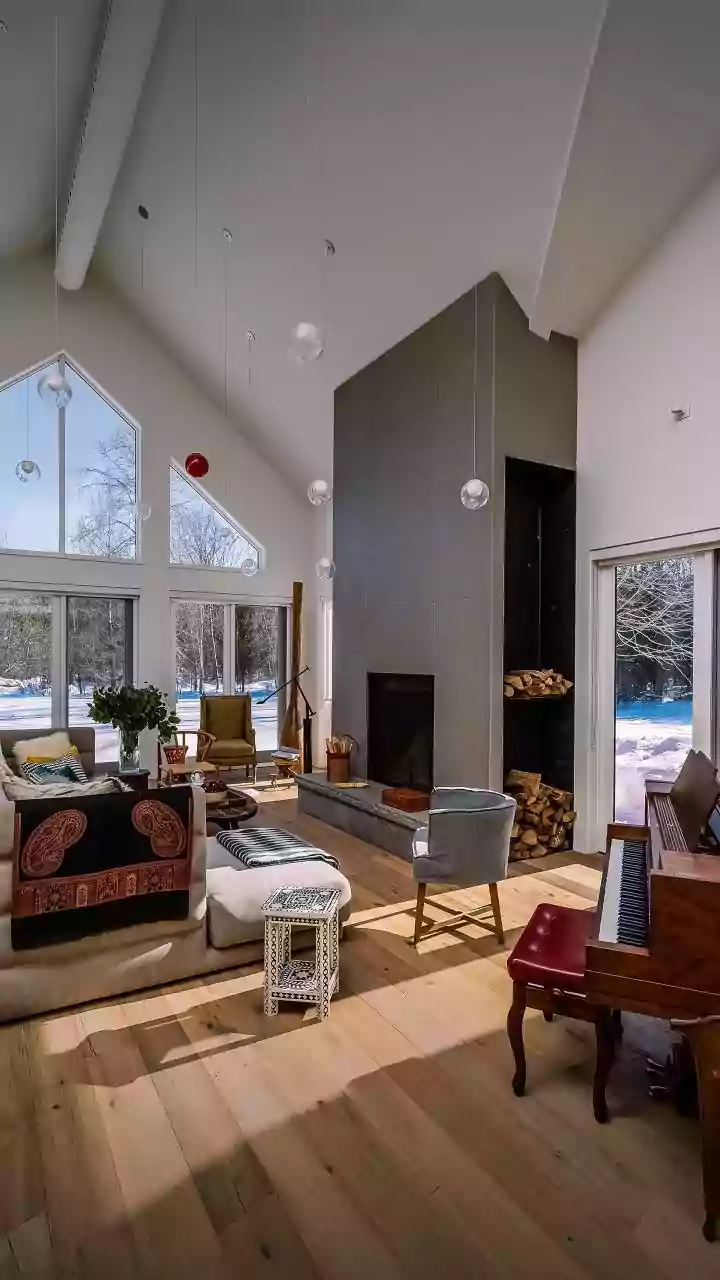
So what does a flexible living room look like? It’s less about a specific style and more about an adaptable approach. The key principle is multi-functionality, where every element in the room is chosen for its ability to serve multiple purposes. Layouts are kept open to improve flow and create a sense of spaciousness, even in compact homes. Instead of rigid walls, designers now use 'zoning' techniques—using large rugs, distinct lighting, or furniture placement to create separate areas for different activities within a single, open space. This allows a corner to function as a home office during the day and a reading nook in the evening, all without physical barriers.
Furniture That Works Harder
The hero of the flexible living room is undoubtedly its furniture. Bulky, immovable pieces are being replaced by smarter, more versatile options. Modular sofas that can be reconfigured to suit any occasion are a popular choice. Nesting tables that can be spread out when guests arrive and tucked away to save space are another staple. Ottomans with hidden storage, sofa-cum-beds, and wall-mounted desks that fold away are no longer niche items but essential tools for modern urban living. This focus is on furniture that adapts to life, rather than forcing life to adapt to static, single-use furniture.
A Warmer, More Personal Aesthetic
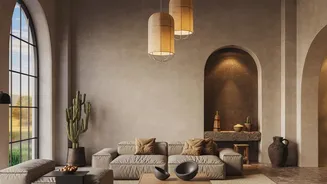
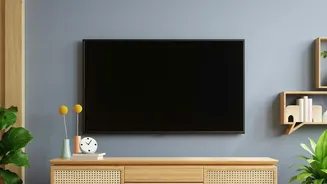
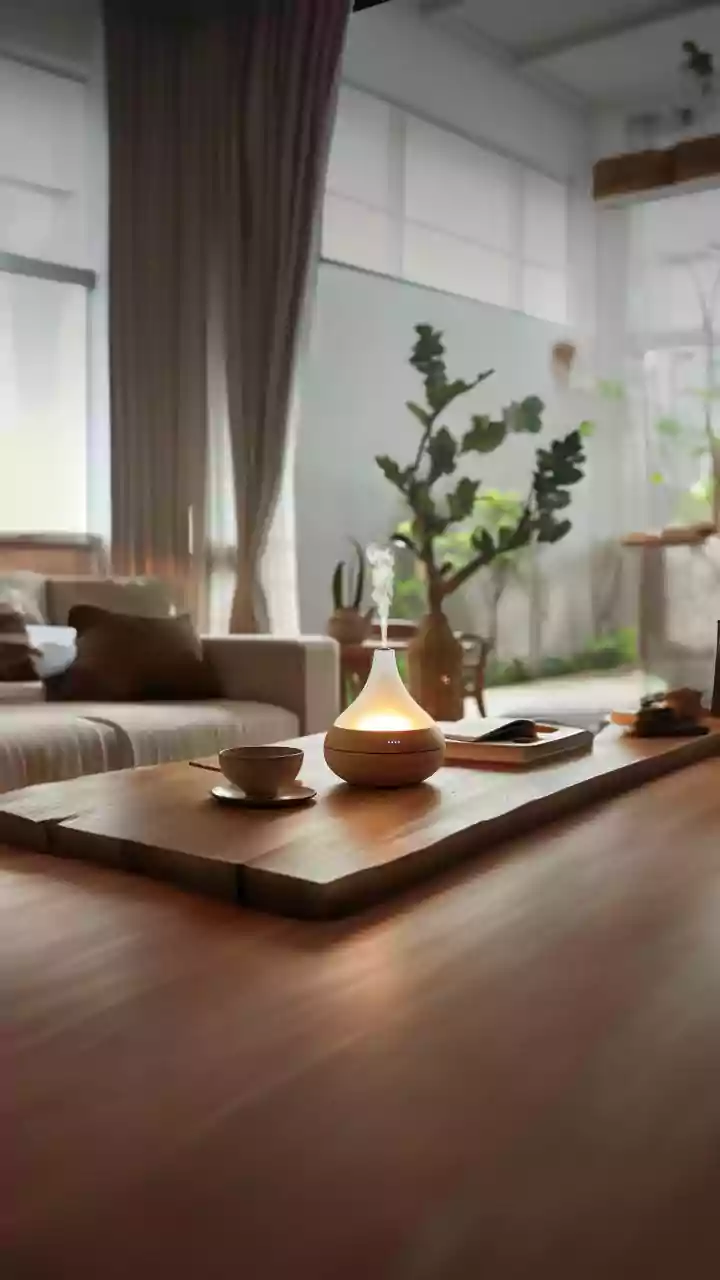
This functional shift is accompanied by a change in aesthetics. The cool, starkly minimalist look is softening. Homeowners are now leaning towards warmer, more personal interiors that feel cosy and lived-in. The all-grey palettes are being replaced by earthy tones like beige, sand, and terracotta. There's a renewed appreciation for natural and handcrafted materials like solid wood, cane, and rattan, which add texture and warmth. Furniture with softer, curved edges is also gaining popularity over sharp, boxy silhouettes, making rooms feel more welcoming and easier to navigate.
Embracing a 'Lived-In' Identity
Ultimately, the shift towards flexible layouts is about creating homes that are a true reflection of the people who live in them. It's an embrace of a more casual, authentic lifestyle where comfort and utility are valued over formal perfection. The living room is no longer an untouchable museum of the family’s best china, but a dynamic, hardworking space that supports every aspect of daily life. It’s a room that can handle the messiness of a family board game, the focus of a work call, and the comfort of a quiet evening. It's a space designed not for occasional guests, but for the everyday moments that make a house a home.