




Meet the Sugars: Glucose and Fructose
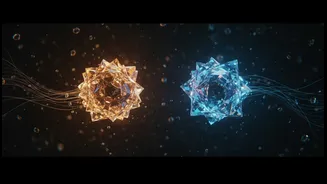
First, a quick introduction. Glucose and fructose are both simple sugars, or monosaccharides. Glucose is the body's primary fuel source. Nearly every cell in your body can use it for energy. It's found naturally in foods like fruits and honey but is also
what starches in bread and rice break down into. Fructose, often called 'fruit sugar', is also found in fruits and vegetables. However, it's a major component of added sweeteners like high-fructose corn syrup (HFCS) and table sugar (sucrose), which is a 50/50 mix of glucose and fructose. While they share the same calorie count, their journey through the body takes very different paths.
A Tale of Two Metabolic Pathways
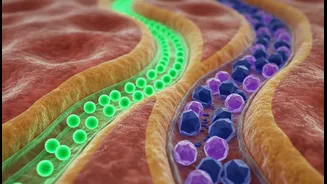
When you consume glucose, it's absorbed into the bloodstream, causing your pancreas to release insulin. This hormone helps shuttle glucose into your cells to be used for immediate energy. It's a well-regulated system. Fructose, on the other hand, is metabolized almost entirely in the liver. This process doesn't stimulate a significant insulin release. Instead, the liver can convert excess fructose into fat through a process called de novo lipogenesis. Over time, high consumption of fructose has been linked to increased liver fat, elevated triglycerides, and insulin resistance.
The Gut-Brain Superhighway
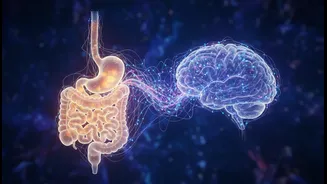
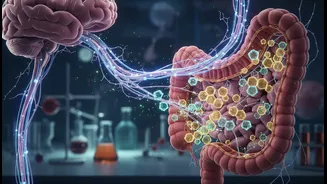
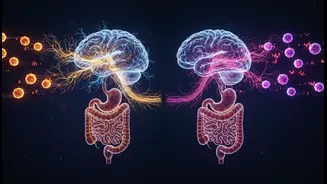
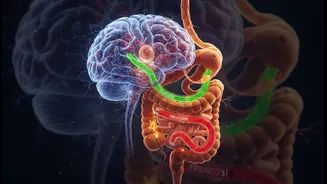
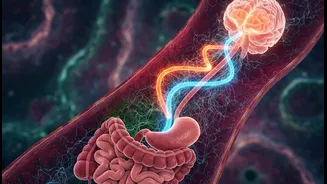
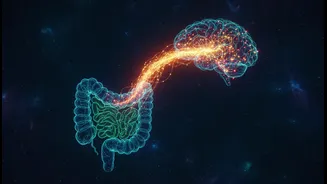
Our gut and brain are in constant communication through a network known as the gut-brain axis. This highway uses nerves, hormones, and the immune system to relay messages about everything from hunger and fullness to mood. When we eat, signals are sent to the brain telling it we've received energy, which helps regulate our appetite. This is where the story of glucose and fructose takes a fascinating turn, as scientists are discovering they send very different messages upstairs.
New Research: Different Signals, Different Cravings
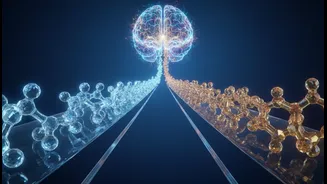
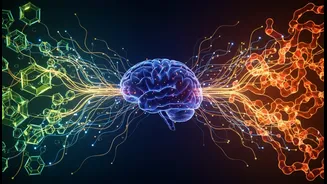
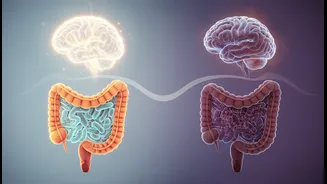
Recent research published in mid-2026 has shed new light on this very topic. A study in mice found that glucose and fructose affect hunger-controlling brain cells, called AgRP neurons, in strikingly different ways. When the mice consumed glucose, these hunger neurons were strongly suppressed, sending a clear 'I'm full' signal to the brain. Fructose, however, had a much weaker effect, only modestly reducing the activity of these hunger neurons. The study revealed that the two sugars use entirely different signaling pathways from the gut to the brain. Fructose signals travel via the vagus nerve, while glucose uses a different route. This could explain why foods and drinks high in fructose might be less satisfying, potentially leading us to consume more.
What About High-Fructose Corn Syrup?
Interestingly, the same study looked at high-fructose corn syrup (HFCS), which is a mix of both sugars. It suppressed the hunger neurons more than fructose alone, and the mice showed a preference for it. This suggests that the combination of sugars found in many processed foods and soft drinks could be particularly appealing to our brains, creating a stronger drive to consume them. While a gram of sugar is still a gram of sugar calorically, the type of sugar appears to significantly influence how our brains perceive hunger and reward.
What This Means For Your Plate
So, should you ban all fructose? Not necessarily. Fructose from whole fruits comes packaged with fiber, water, and micronutrients, which slow down its absorption and help with satiety. The real concern is with added sugars, especially in liquid form like sodas, where large amounts can be consumed quickly, overwhelming the liver. The latest research reinforces the advice to focus on a diet rich in whole foods and to be mindful of added sugars on nutrition labels. Understanding that not all sugars send the same 'fullness' signal to your brain can empower you to make more informed choices. Rather than just counting calories, it's becoming clearer that the source of those calories matters deeply to our biology.