

The Rise of the 10-Minute Kirana
Not long ago, grocery shopping was a planned, sensory experience. It involved weekly lists, trips to bustling markets, and the careful selection of fresh produce. Today, for a growing number of urban Indians, it’s a few taps on a smartphone. The explosion
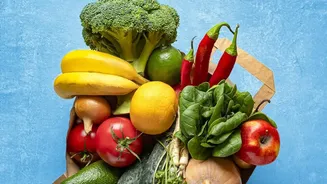
of quick commerce platforms has transformed the grocery run from a weekly chore into an on-demand service. These apps, promising deliveries in 10 to 30 minutes, have reshaped consumer behaviour, especially in metropolitan and Tier-2 cities. Hectic work schedules, the rise of nuclear families, and an increasing number of women in the workforce have made time a precious commodity. Consequently, the unparalleled convenience of having everything from daily staples to emergency supplies delivered almost instantly has become a powerful draw, fundamentally altering a decades-old routine.
Convenience in a Ready-to-Cook Package
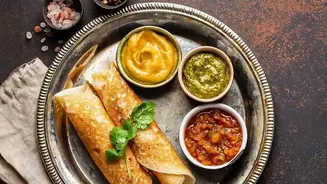
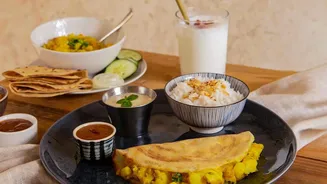
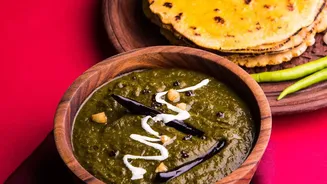
The new grocery basket isn’t just about how it’s bought, but what’s inside. The convenience food market in India is booming, projected to grow significantly in the coming years. This goes far beyond instant noodles. The real growth is in ready-to-cook (RTC) and ready-to-eat (RTE) categories that offer time-saving solutions without completely sacrificing the feel of a home-cooked meal. Think pre-chopped vegetables, frozen parathas, dosa and idli batters, and instant curry mixes. These products cater directly to time-poor professionals and young families who want wholesome meals but lack the hours for extensive preparation. The frozen food segment is also expanding rapidly, thanks to better cold-chain infrastructure, offering everything from peas and corn to gourmet snacks and meal kits.
The 'Healthy' Halo Effect
Alongside convenience, 'nutrition' is the other major driver, though its definition is often flexible. Today's consumers are more health-conscious than ever, with a majority actively seeking safer and healthier food choices. This has created a massive demand for products with a “health halo”—items perceived as inherently good for you. Words like 'organic', 'natural', 'high-protein', and 'gluten-free' have become powerful marketing tools. The rediscovery of traditional grains like millets (jowar, bajra, ragi) is a prime example. Once seen as humble staples, they are now celebrated as superfoods and are appearing in everything from breakfast cereals and cookies to dosa mixes. Similarly, plant-based alternatives and protein-fortified snacks like makhana and Greek yoghurt are gaining popularity, replacing traditional fried snacks and sugary yoghurts.
Reading Between the Labels
This focus on health, however, brings its own challenges. The term 'perceived nutrition' is key, as the marketing claims on a package may not always tell the full story. Experts warn about the 'health halo' effect, where a positive claim like 'low-fat' or 'natural' can make consumers overlook high sugar content or other unhealthy attributes. A product labelled 'baked, not fried' might still be high in sodium and refined flour. Similarly, 'organic' or 'natural' doesn't automatically mean low-calorie or nutritionally superior. As consumers become more aware, there is a growing demand for transparency and clean labels with recognisable ingredients. The truly savvy shopper is learning to read beyond the front-of-pack claims and scrutinise the nutrition information and ingredient list to make genuinely informed choices.
A Reflection of Modern India
This evolving grocery basket is more than just a collection of new products; it's a mirror reflecting the aspirations and realities of modern India. The demand for convenience speaks to a fast-paced, urbanised lifestyle where time is the ultimate luxury. The pivot to healthier, purpose-driven foods highlights a growing awareness of long-term wellbeing and a desire to take control of one's health. This shift is also creating new economic opportunities, fueling the growth of countless direct-to-consumer brands and food-tech platforms. While quick commerce poses a challenge to traditional kirana stores, many are adapting by integrating digital payments and hyperlocal delivery partnerships to stay relevant. The new Indian grocery basket, therefore, sits at the intersection of tradition and modernity, convenience and consciousness.