








Understanding Your Pet's Fear
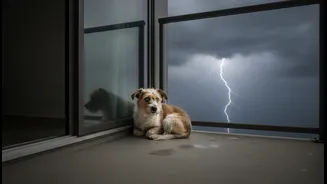
A pet's fear of thunderstorms, often called storm phobia, is more than just a dislike of loud noise. Their senses are far more acute than ours. They can often feel the drop in barometric pressure that precedes a storm, and their sensitive ears pick up
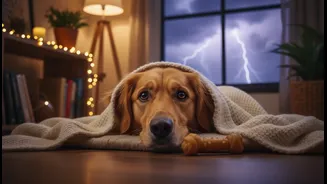
low-frequency rumbles long before we hear anything. For some animals, the fear is also linked to the uncomfortable sensation of static electricity building up in their fur. The sudden flashes of lightning, which can be disorienting, add to the sensory overload. Pacing, whining, hiding, panting, and excessive drooling are all common signs of storm anxiety in both dogs and cats. Recognizing these triggers is the first step toward helping your pet cope.
Create a Calming Safe Haven
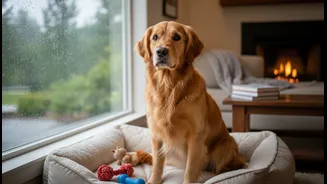
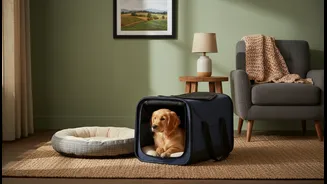
Before the monsoon season is in full swing, designate a 'safe space' for your pet. This should be an area they can retreat to whenever they feel anxious. Many pets will choose their own spot, such as a closet, a bathroom, or under a bed. You can enhance this space by making it comfortable with their favourite blankets and toys. Consider a crate if your pet is already crate-trained, but always leave the door open so they don't feel trapped. To help block out the storm, close the curtains to limit lightning flashes and play some soothing music or turn on the TV or a fan to create white noise that muffles the thunder. An item of your clothing can also provide a comforting, familiar scent.
Your Role as the Calm Leader
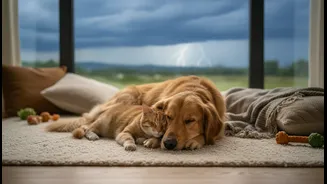
Pets are incredibly perceptive and often mirror our emotions. During a storm, it's crucial that you remain calm and act as if everything is normal. While it's natural to want to comfort a scared pet, excessive coddling or high-pitched reassurances can sometimes reinforce their fearful behavior, making them think there really is something to worry about. It's perfectly fine to offer gentle petting or simply be present, but avoid fussing over them. Your calm demeanor demonstrates that the storm is not a threat, which can help your pet feel more secure. Never punish a pet for being afraid, as this will only increase their anxiety.
Tools and Techniques for Added Comfort
Several tools can supplement your efforts. Anxiety wraps, such as the Thundershirt, apply gentle, constant pressure to your pet's torso, which can have a calming effect similar to swaddling an infant. Studies and user reports suggest these wraps can be effective for many pets. Pheromone diffusers, available in sprays or plug-ins, release synthetic versions of calming animal pheromones into the air, which can help create a more relaxed environment. Distraction can also be a powerful tool. Try engaging your pet in a fun indoor game or offering a puzzle feeder with high-value treats to redirect their focus away from the storm. Rewarding calm behavior during these moments helps build positive associations with what was once a scary event.
Proactive Planning and Desensitisation
A long-term strategy involves desensitisation. During the off-season, you can play recordings of thunderstorms at a very low volume while engaging your pet in a pleasant activity, like playing or eating. Over many sessions, you can gradually increase the volume, always ensuring your pet remains comfortable and rewarding their calm behaviour. This process helps your pet slowly build a new, positive association with the sounds of a storm. It's also wise to check the weather forecast regularly. If you know a storm is coming, a long walk or vigorous play session beforehand can help burn off excess energy, leaving your pet more relaxed when the storm arrives.