
For millions of contact lens wearers, daily routines can become second nature. But a simple, seemingly harmless habit—rinsing lenses with tap water or showering with them in—carries a significant and sight-threatening risk. Here’s what you need to know.
The Unseen Danger in Your Tap Water
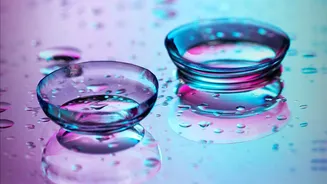
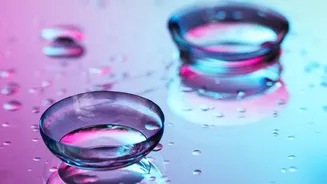
It’s a common misconception that tap water, safe enough to drink, is also safe for your eyes and contact lenses. However, tap water is not sterile. It contains a variety of microorganisms that are normally harmless when ingested but can cause serious problems when trapped against the eye's surface by a contact lens. Soft contact lenses are porous and can act like a sponge, absorbing water and any germs within it. This creates a perfect breeding ground for bacteria and other pathogens directly on the cornea, the clear outer layer of your eye. Exposing lenses to water can also cause them to swell, change shape, and stick to the eye, which can cause discomfort and tiny scratches on the cornea, making it even easier for germs to invade.
Meet Acanthamoeba: A Microscopic Threat
Among the microorganisms lurking in water, one of the most dangerous for contact lens wearers is an amoeba called Acanthamoeba. This single-celled organism is commonly found in nearly all sources of water, including tap water, lakes, oceans, swimming pools, and hot tubs. It can even be present in shower heads and on bathroom taps. While exposure to Acanthamoeba is common and typically harmless, it can cause a severe and extremely painful eye infection known as Acanthamoeba keratitis when it gets trapped behind a contact lens. Contact lens wearers account for the vast majority of cases of this rare but devastating infection.
Acanthamoeba Keratitis: A Serious Infection
Acanthamoeba keratitis occurs when the amoeba infects the cornea. Symptoms can develop over days or weeks and often mimic more common eye infections, making early diagnosis difficult. Telltale signs include severe eye pain, redness, blurred vision, a persistent sensation of having something in the eye, sensitivity to light, and excessive tearing. The infection is notoriously difficult to treat, sometimes requiring a year or more of intensive medication. If not treated promptly and effectively, Acanthamoeba keratitis can lead to permanent vision loss, and in severe cases, may necessitate a corneal transplant to restore sight.
All Water Is Risky, Not Just the Tap
The advice to keep contact lenses away from water extends beyond just rinsing them under the faucet. Health authorities like the CDC strongly advise against wearing lenses during any activity that involves water. This includes showering, bathing, using a hot tub, and swimming in pools, lakes, or the ocean. Even chlorinated pool water is not completely safe, as the chlorine does not reliably kill the resilient cyst form of Acanthamoeba. If your lenses accidentally come into contact with water, the safest course of action is to remove them as soon as possible, then either throw them away or thoroughly clean and disinfect them with proper solution before reinserting.
Best Practices for Safe Contact Lens Hygiene
Preventing serious eye infections is straightforward by adopting strict hygiene habits. Following these guidelines is essential for every contact lens wearer:
Wash Your Hands: Always wash your hands with soap and water and dry them thoroughly with a lintfree towel before handling your lenses.
Use Only Proper Solution: Never use tap water, bottled water, or saliva to clean or store your contact lenses. Always use the sterile, commercially prepared solution recommended by your eye doctor.
Rub and Rinse: When cleaning your lenses, rub them gently with your fingers and rinse thoroughly with fresh solution before storing them overnight.
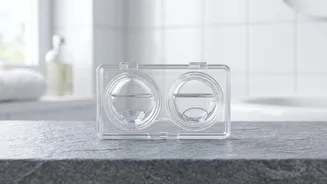
Care for Your Case: Clean your lens case daily with fresh solution, not water, and let it air dry while open. Replace your case at least every three months.
* Follow Replacement Schedules: Adhere to the wearing and replacement schedule prescribed by your optometrist for your specific type of lenses.