


Beyond Minimalism: A Craving for Character
After a long affair with stark, Scandinavian-inspired minimalism, a significant shift is underway in Indian interior design. Homeowners are increasingly trading clean lines and empty spaces for objects with history, soul, and a distinctly Indian identity.
This isn't about creating museums in living rooms, but about a 'Modern Nostalgia' that blends old-world charm with contemporary life. The goal is to create spaces that feel collected and personal, not copied from a catalogue. This trend reflects a deeper craving for homes that tell a story, a reaction against the uniformity of mass-produced decor. People want their living spaces to be repositories of memories, featuring family heirlooms and unique finds that spark conversation and add character.
What’s Old Is New Again: The Comeback Kids
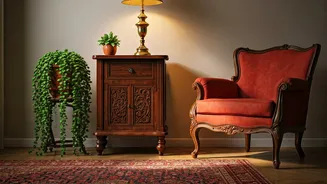
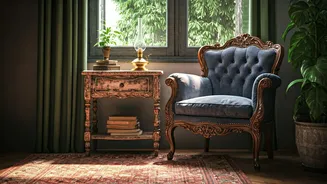
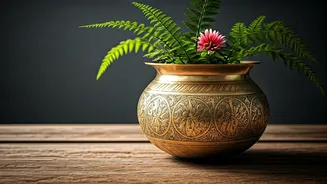
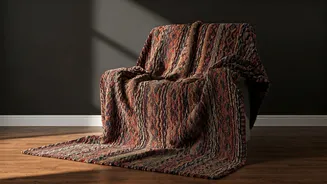
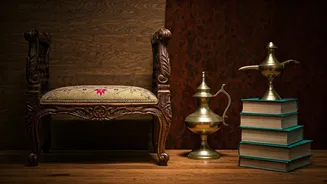
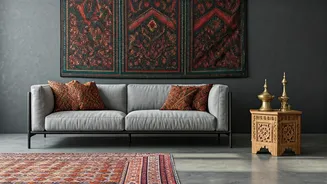
So, what does this vintage revival look like? It’s in the furniture, the materials, and the details. Solid, handcrafted wooden furniture—often made from reclaimed teak or mango wood—is making a huge comeback, prized for its durability and the history etched into its grain. Think antique teak cabinets, ornate dressing units, and charpoys finding new life on urban balconies. Materials that our grandparents loved, such as cane, jute, and terracotta, are being reimagined in modern designs. You'll find cane furniture, once considered old-fashioned, in the chicest apartments, and traditional stone like Kota and terrazzo are reappearing in kitchens and on floors. Even smaller details, like ornate brass accents, statement chandeliers, and handwoven textiles with traditional motifs like paisleys, are being used to add layers of richness and cultural context.
The ‘Why’ Behind the Buy: Nostalgia and Sustainability
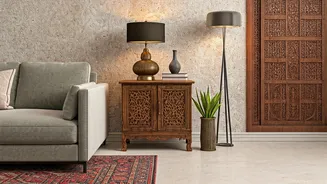
This trend is driven by more than just aesthetics. For many, it's about reconnecting with their cultural roots and childhood memories. The furniture and colours of a grandparent's home evoke a sense of comfort and permanence that many now seek. Bringing a carved wooden cabinet or a brass lamp into a modern apartment feels less like a design choice and more like holding onto something familiar and warm. There's also a powerful sustainability angle. The era of 'fast décor' is fading as people become more environmentally conscious. Choosing to upcycle an old piece, buy second-hand, or invest in well-made artisanal furniture is an eco-friendly choice that reduces waste. This move towards 'conscious curation'—buying less but better—supports local artisans and preserves traditional crafts, making it a win for both the planet and cultural heritage.
How to Blend Yesterday and Today
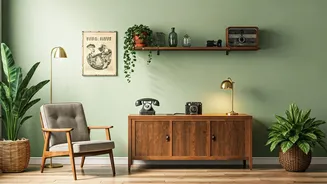
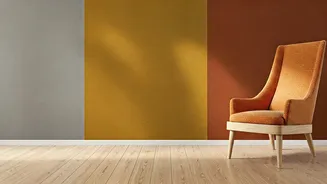
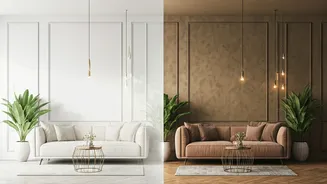
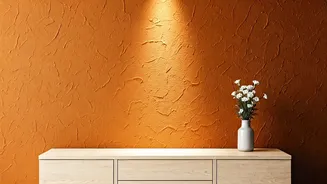
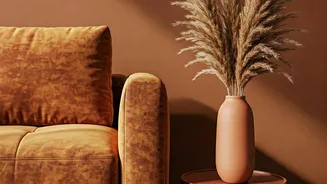
Successfully incorporating vintage isn't about a complete overhaul. The key is balance. Designers suggest a 'Modern Nostalgia' approach, where the old and new are in conversation. An antique mirror can be placed over a sleek, modern vanity, or a traditional wooden trunk can serve as a coffee table in a contemporary living room. Similarly, a vintage console can be paired with modern art or lighting to create a compelling contrast. The colour palette is also evolving, moving away from cool greys toward warmer, earthier tones like terracotta, sage green, and muted browns that complement natural materials. It’s about creating a harmonious blend that feels authentic and deeply personal, proving that good design never truly goes out of style—it simply finds new ways to inspire.