






Monsoon's Unpredictable Arrival
The Southwest Monsoon is the defining feature of Delhi's mid-year weather, but its arrival and behaviour are notoriously fickle. This year is a prime example. After a significant rainfall deficit in June, the monsoon is advancing, with the India Meteorological
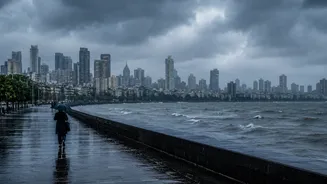
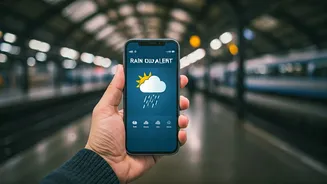
Department (IMD) forecasting a wet spell for the first week of July. This means the city is transitioning from scorching, dry heat to a period of high humidity and rain. However, 'monsoon' doesn't mean constant drizzle. It often translates to short, intense bursts of heavy rain that can materialise with little warning. These downpours are notorious for causing immediate waterlogging on key arterial roads and underpasses, bringing traffic to a standstill within minutes. A trip that takes 30 minutes on a dry day can easily stretch to hours. Checking for real-time rain alerts and potential waterlogging advisories is no longer optional; it's essential for planning any travel.
The Danger of the 'Real Feel' Temperature
Even before the rains provide consistent relief, a more insidious threat is the combination of high heat and soaring humidity. In late June, while thermometers recorded temperatures around 37-41°C, the 'real feel' or Heat Index in Delhi surged past 50°C. This happens because high humidity, often exceeding 60-70%, prevents sweat from evaporating, robbing the body of its primary cooling mechanism. The result is a much higher risk of heat stress, exhaustion, and heatstroke, even on days that don't seem exceptionally hot on paper. The IMD has highlighted that this muggy, uncomfortable weather is due to moisture-laden southwesterly winds. Checking the weather should therefore include looking at the 'heat index' or 'feels like' temperature, not just the actual temperature. This gives a far more accurate picture of the stress your body will be under, informing decisions about hydration and avoiding strenuous outdoor activity during peak hours.
Don't Forget the Air Quality Index (AQI)
A weather check in Delhi-NCR is incomplete without a look at the Air Quality Index (AQI). While the monsoon rains can wash pollutants from the air and temporarily improve the AQI to 'Good' or 'Moderate' levels, these effects can be short-lived. As of early July 2026, the AQI in Delhi was recorded in the 'Good' to 'Moderate' range following showers. However, pollution sources don't simply vanish. Between rains, and depending on wind patterns, pollutant levels, particularly PM2.5 and PM10, can quickly rise again. A 'Moderate' AQI can still pose a risk to sensitive groups, while a return to 'Poor' or 'Very Poor' is always a possibility in the region. For individuals with respiratory issues, children, and the elderly, knowing the day's AQI is crucial for deciding whether to wear a mask or limit time outdoors.
Your Essential Weather Toolkit
Staying ahead of Delhi's weather requires the right tools. Fortunately, there are several reliable apps and websites that provide hyper-local and up-to-the-minute information.
Mausam App (IMD): Developed by the India Meteorological Department itself, this is the official source for weather forecasts, warnings, and radar imagery. It supports multiple Indian languages and provides comprehensive data.
Private Forecasters: Apps like Skymet Weather, AccuWeather, and The Weather Channel are popular alternatives. They often provide user-friendly interfaces, minute-by-minute rain predictions, and lifestyle-based forecasts, like an 'Outdoor Sports Index'.
Windy and Zoom Earth: For those who want to see the bigger picture, these platforms offer detailed, interactive weather maps. You can visualize wind patterns, cloud cover, and approaching rain systems, which is particularly useful for anticipating strong thunderstorms.
No single app is perfect, and it’s often wise to cross-reference two sources, especially when planning a critical journey. Many apps also push severe weather alerts directly to your phone, which can be a lifesaver.
Reading the Forecast Like a Pro
To make the most of weather apps, look beyond the simple sunny or rainy icon. Pay attention to the 'probability of precipitation' expressed as a percentage; a 70% chance means you should definitely carry an umbrella. Look at the hourly forecast, not just the daily one, to time your travel between rain bands. Check the wind speed and direction, as gusty winds accompanying a thunderstorm can pose their own risks. Finally, understand the different alert levels issued by the IMD. A 'Yellow' alert suggests being watchful, while an 'Orange' or 'Red' alert indicates a high probability of impactful weather that could disrupt daily life, requiring you to be prepared. Taking two minutes to understand these details can save you from being stranded in a waterlogged underpass or suffering in the oppressive heat.