



The Search for a Reset Button
The primary driver behind this trend is the intense pressure of modern urban careers. With demanding schedules and the 'always-on' culture of hybrid work, burnout is a real and present danger for many professionals. Nature offers a powerful antidote.
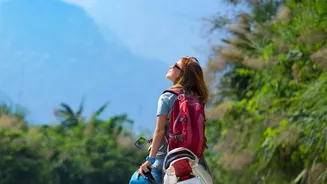
Studies have consistently shown that spending time in green spaces can significantly reduce stress, lower levels of the stress hormone cortisol, and improve overall mood. A weekend trip to a nearby hill station, forest reserve, or lakeside spot is no longer just a holiday; it's a necessary mental reset. It’s a chance to disconnect from digital devices, breathe fresh air, and escape the sensory overload of the city, providing a crucial buffer against the cumulative stress of the daily grind.
Convenience is the New Luxury
This weekly escape is made possible by a convergence of accessibility and convenience. Unlike a long vacation that requires extensive planning, a weekend getaway can be a spontaneous decision. Improved highway infrastructure, such as the expressways connecting Mumbai to Pune or Delhi to the hills of Uttarakhand, has drastically cut down travel time. This is coupled with a boom in accommodation options like boutique hotels, homestays, and farmhouses that cater specifically to the weekend traveller. Platforms like Airbnb have made it easier than ever to find unique and comfortable stays. The rise of 'micro-cations'—short, frequent trips of one to three nights—shows that travellers are prioritising ease and repetition over one big annual holiday.
The Social Media Effect
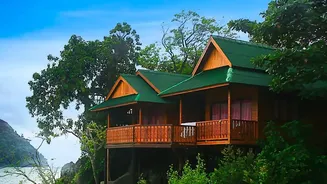
In the age of Instagram, a getaway is not just an experience but also content to be shared. The desire for 'Insta-worthy' moments is a significant factor driving traffic to scenic destinations. Social media platforms act as a discovery engine, popularising previously lesser-known spots and creating a feedback loop of inspiration. A beautiful photo of a misty mountain view or a serene lakeside cabin can trigger a wave of interest, turning quiet retreats into weekend hotspots. This visual culture encourages travellers to seek out unique and aesthetically pleasing experiences, from glamping and 'cabin-core' escapes to destinations featured in popular films and TV shows.
The Inevitable Gridlock
The downside to this collective urge to escape is, ironically, that the escape routes become choked. On Friday evenings and Sunday afternoons, major highways leading out of cities like Mumbai, Delhi, and Bengaluru often turn into parking lots. Destinations like Lonavala and Khandala on the Mumbai-Pune route frequently experience severe traffic congestion during long weekends and holidays, as the influx of vehicles overwhelms local infrastructure. Haphazard parking and a lack of adequate facilities in some of these suddenly popular towns only add to the chaos. This surge in visitors, while a boon for local economies, strains resources and can lead to over-tourism, impacting the very peace and quiet that travellers are seeking.
A Permanent Shift in Travel Culture
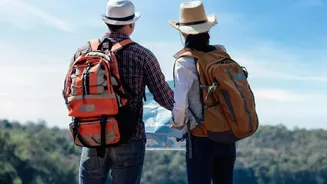
This trend is more than just a passing phase; it represents a fundamental shift in how urban Indians approach leisure and well-being. The traditional annual vacation is being supplemented, and in some cases replaced, by a series of shorter, more frequent breaks. Young professionals, in particular, prefer multiple short trips over one long holiday, a preference that aligns with flexible work schedules and a desire for continuous, low-effort rejuvenation. This 'micro-holiday economy' reflects a lifestyle where travel is integrated into the year-round routine, not just confined to a specific holiday season. It's a move away from tick-box tourism towards more meaningful, experience-driven getaways.