


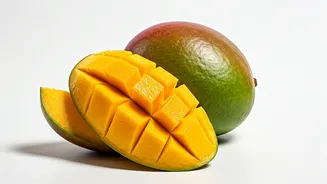


The Problem With Mango Sap
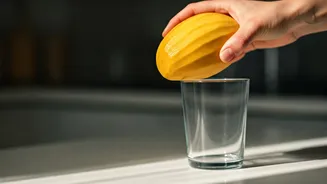
Before we get to the solution, it helps to understand the problem. That sticky, milky liquid that oozes from the stem of a mango is more than just a nuisance. The sap contains trace amounts of urushiol, the same compound that gives poison ivy its infamous
itch. While the levels in mangoes are far lower, the sap can still cause contact dermatitis, a skin rash, in sensitive individuals. Beyond the itch, the sap is astringent and bitter. If it gets on the fruit's flesh, it can ruin the sweet, delicious flavour you were looking forward to. This is why properly preparing a mango before cutting it is a crucial step that many people skip.
Introducing the Saltwater Solution
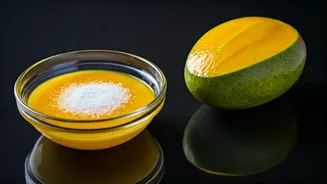
Across India and other mango-loving countries, generations have used a brilliantly simple method to neutralise the sap: a saltwater bath. It may sound too easy to be true, but this technique is incredibly effective at drawing out the problematic sap and ensuring your mango is clean, non-irritating, and perfectly sweet. It’s a pre-emptive strike against stickiness. Instead of wiping sap off your hands, cutting board, and fruit, you eliminate it from the equation before you even pick up a knife. This small investment of time pays huge dividends in flavour and enjoyment.
Your Step-by-Step Guide
Ready to enjoy mess-free mangoes? Here’s exactly what to do. 1. **Prepare the Bath:** Find a bowl or basin large enough to fully submerge your mangoes. Fill it with cool tap water. You don’t need chilled or warm water; room temperature is fine. 2. **Add the Salt:** For every litre of water, add about one tablespoon of regular table salt. Stir until the salt is mostly dissolved. The exact measurement doesn’t have to be perfect, so don’t worry about precise ratios. 3. **Trim the Stems:** Before placing the mangoes in the water, inspect their stems. If a long stem is attached, trim it down to about one centimetre. This allows the sap to flow out more easily. You may see some sap ooze out immediately. 4. **Soak the Mangoes:** Gently place the mangoes into the saltwater bath, ensuring they are fully submerged. Let them soak for at least 30 minutes. An hour is even better, especially for very 'sappy' varieties. You might notice a slight film on the water as the sap is drawn out. 5. **Rinse and Dry:** After soaking, remove the mangoes from the saltwater. Give them a quick rinse under clean running water to wash off any residual salt and sap. Pat them dry with a clean towel. Your mangoes are now ready to be chilled, peeled, and devoured.
Why This Method Works So Well
The magic of the saltwater soak lies in a bit of simple science. The process of osmosis is at play here; the salty water creates a hypertonic solution that helps draw the less-concentrated sap out from the mango's stem and skin. The salt also helps to break down the sap's sticky, resinous compounds, neutralising their irritating properties and bitter taste. Think of it as giving the fruit a deep clean, pulling the impurities out from the inside rather than just wiping them from the surface. This is why the method is far more effective than just rinsing the mango under a tap.
A Final Tip for Handling
Even after soaking, it’s wise to handle mangoes with care, especially if you have sensitive skin. When you cut the mango, try to slice away from the area immediately surrounding the stem, as this is where the sap is most concentrated. By adopting the saltwater soak as a standard part of your mango prep, you elevate the entire experience. It’s a small ritual that transforms the potentially messy task of eating a mango into a purely pleasurable one, ensuring every bite is as sweet and perfect as it should be.