




Prep Your Vehicle, Prevent Problems
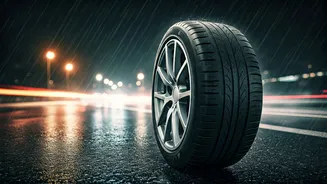
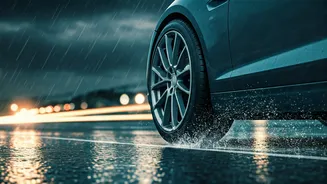
Before the downpours become a daily affair, give your car a thorough check-up. Your tyres are your first line of defence. Ensure they have adequate tread depth (at least 3mm) to channel water away and prevent hydroplaning. Under-inflated tyres are a major
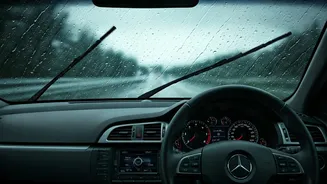
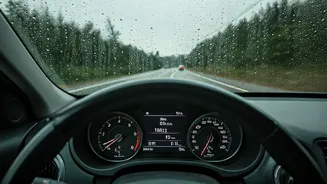
risk on wet roads. Next, inspect your windscreen wipers. If they leave streaks or make noise, replace them. Old, hardened rubber won't clear your view effectively. Finally, test your lights – headlights, tail lights, and indicators. In a low-visibility downpour, being seen is as important as seeing. Also, have your brakes and battery checked by a mechanic; wet conditions can exacerbate existing issues.
Master the Art of Wet-Road Driving
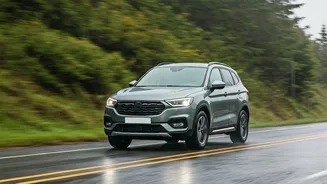
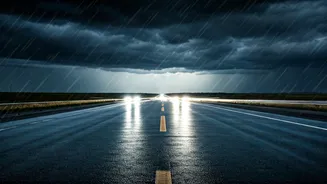
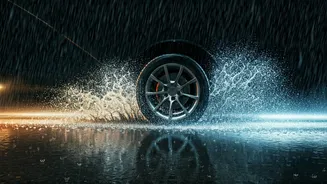
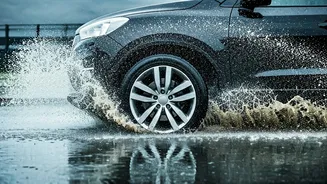
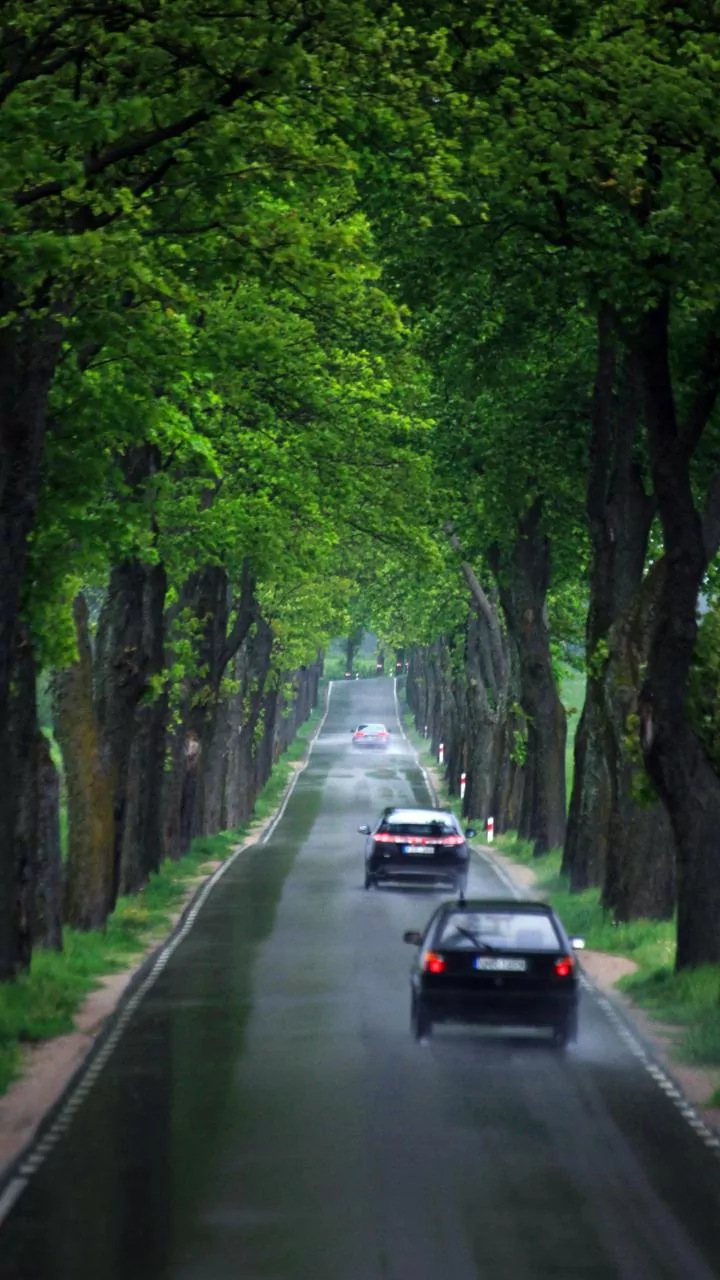
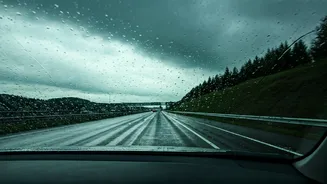
Driving on a wet surface is fundamentally different. Your number one rule should be to slow down. Speed is the biggest factor in losing control. Your braking distance can nearly double on wet tarmac, so increase the gap between you and the car ahead to at least four or five seconds. Avoid sudden, sharp movements, whether braking, accelerating, or steering. Gentle, deliberate inputs are key. If you feel the car begin to hydroplane (a sensation of floating as the tyres lose contact with the road), do not panic and slam the brakes. Instead, ease your foot off the accelerator and steer gently in the direction you want to go until the tyres regain grip.
Navigate Waterlogging Like a Pro
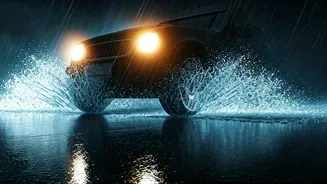
This is the ultimate monsoon driving challenge. The golden rule is: if in doubt, don't drive through it. It's impossible to know the depth or what hazards (like open manholes or massive potholes) lie beneath the murky water. If you absolutely must proceed, watch other vehicles go through first to gauge the depth. If it seems manageable (generally, not higher than the centre of your wheels), engage a low gear (first or second) and maintain a steady, constant speed. Do not stop or accelerate suddenly. Creating a gentle 'bow wave' in front of your car can help keep water out of the engine bay. If your engine stalls in the water, do not try to restart it. This can cause catastrophic engine damage (a 'hydrostatic lock'). Call for assistance instead.
See and Be Seen
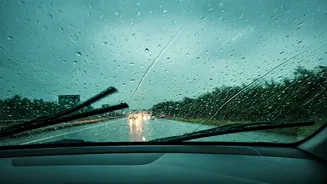
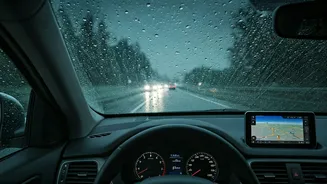
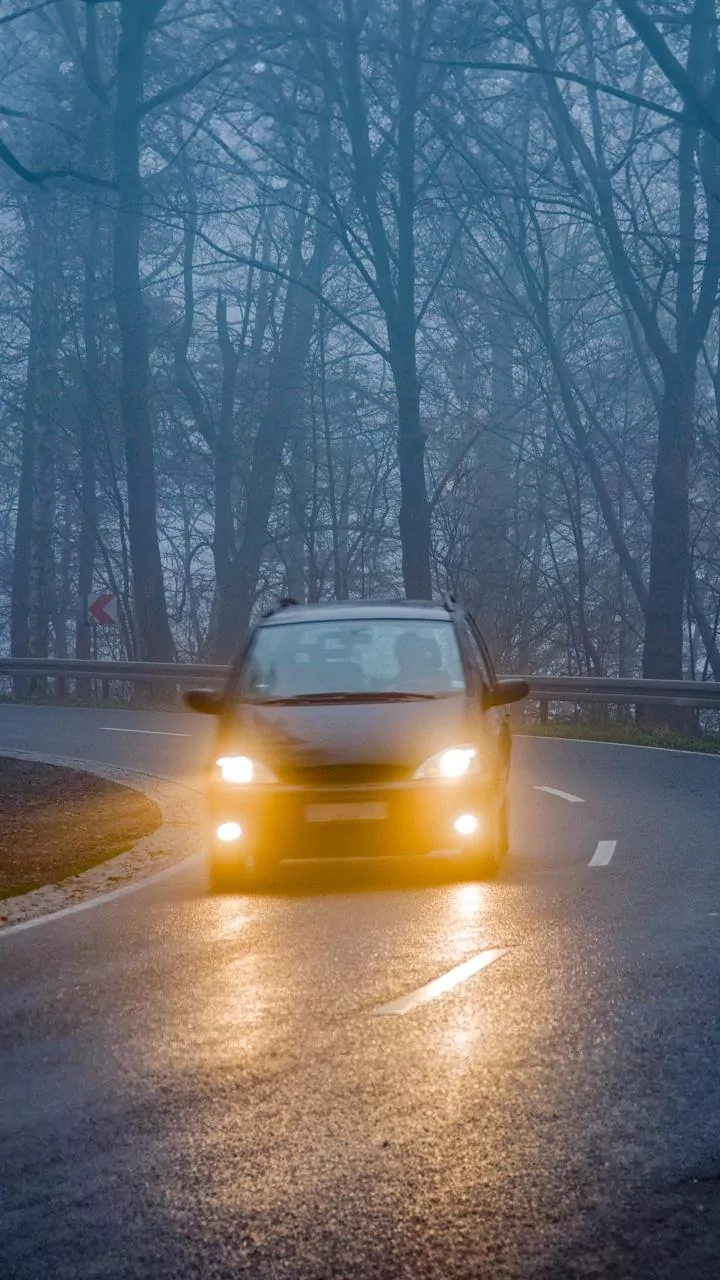
Heavy rain drastically reduces visibility for everyone. Turn on your headlights (on low beam) even during the day. This isn't just about helping you see; it’s about making sure other drivers, cyclists, and pedestrians can see you. Inside the car, humidity can cause your windows to fog up instantly. Know how to use your car's demister and air conditioning system effectively. Set the AC to blow cool, dry air onto the windscreen. Keeping a microfiber cloth handy to wipe interior glass is also a good idea. Avoid using high-beam headlights in heavy rain or fog, as the light will reflect off the water droplets and worsen your own visibility.
Build Your Monsoon Emergency Kit
Being prepared for the worst can make a bad situation manageable. Keep a dedicated monsoon emergency kit in your car. This should include a high-visibility waterproof jacket, a powerful LED flashlight with extra batteries, and a basic first-aid kit. A sturdy tow rope is essential if you or someone else gets stuck. A phone power bank ensures you can call for help even if you're stranded for a while. It’s also wise to keep some dry snacks and a bottle of water. You never know when a 20-minute journey can turn into a two-hour standstill due to a flooded road ahead.