





Beyond the energetic pulse of Hanoi and Ho Chi Minh City lies a quieter Vietnam. A string of serene coastal towns, fishing villages, and unspoiled beaches are waiting to be discovered, all connected by an affordable network of trains and buses.
The Romance of the Rails
For a scenic
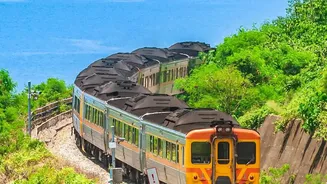
and comfortable journey, nothing beats the Reunification Express. This historic railway line runs the length of the country, from Hanoi to Ho Chi Minh City, hugging the coastline for significant stretches. While completing the entire 1,700-kilometre, 30-plus-hour journey is an adventure in itself, most travellers use the train for specific, scenic segments. The most celebrated portion is the ride between Hue and Da Nang, which features dramatic views as the train climbs the Hai Van Pass, offering stunning vistas of the sea and mountains. However, other sections, like the six-hour ride from Da Nang to Quy Nhon, provide a longer, less-crowded coastal experience, passing quiet lagoons and fishing villages. Booking a 'soft sleeper' cabin, which has four berths, is the most popular option for overnight legs, allowing you to save on accommodation while you travel.
Coastal Gems by Train
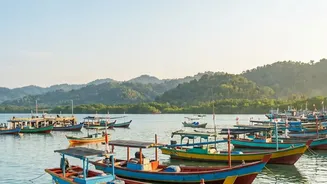
The train is your ticket to some of central Vietnam’s most appealing and less-visited coastal destinations. Quy Nhon, a laid-back city with long, sandy beaches, is a perfect example. It's an ideal stop for those looking to experience a quieter side of Vietnam's coast and is easily accessible on the main north-south line. Further south, the stretch between Nha Trang and Phan Rang offers a unique landscape, passing through one of the driest regions in the country, with arid scenery that contrasts sharply with the lush rice paddies found elsewhere. While major hubs like Da Nang and Nha Trang are well-known stops, the train also serves smaller stations, opening up possibilities for exploring the authentic, everyday life of Vietnam's central coast.
The Sleeper Bus Alternative
Where the railway doesn't go, a sleeper bus will. This form of transport is the backbone of budget travel in Vietnam, connecting nearly every corner of the country. Instead of seats, these buses feature two levels of reclining berths, allowing passengers to lie down for overnight journeys. They are significantly cheaper than the train, with fares for long journeys often costing half as much. This makes them an excellent choice for reaching destinations not on the main railway line, such as the popular beach town of Mui Ne. Major operators like Futa Bus Lines (Phuong Trang) have extensive networks along the coast. While experiences can be mixed—some buses are modern and comfortable, others less so—they are an undeniably efficient way to cover long distances and save a night's accommodation cost.
Planning Your Ground-Level Tour
A little planning goes a long way when travelling by bus or train. Train tickets, especially for sleeper berths on popular routes, should be booked in advance through the official Vietnam Railways website or trusted online travel platforms. For sleeper buses, booking online a day or two ahead is also wise, especially during peak season. When boarding a bus, be prepared to remove your shoes, a standard practice to keep the cabins clean. Essentials to bring include earplugs, an eye mask, a power bank (as onboard chargers can be unreliable), and your own snacks and water. On sleeper buses, most of which do not have onboard toilets, rest stops are made every two to three hours. On trains, lower bunks in sleeper cabins offer a smoother ride and are often preferred. By embracing this style of 'slow travel', you get a ground-level view of Vietnam's stunning landscapes and the rhythm of daily life.