





From Looking Good to Feeling Good
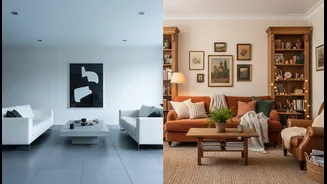
The conversation around a 'healthy home' is changing. While beautiful, minimalist design and biophilic touches (like having plants) were once the peak of home wellness, today the focus is on something far more fundamental: the environment itself. The new
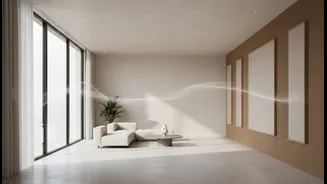
frontier of wellness is about creating spaces that actively support our bodies' needs. This 'invisible wellness' is less about what you can see and more about what you can feel—the quality of the air you breathe, the light that regulates your sleep, and the sounds that either stress or soothe you. It’s a move from passive decor to active, responsive systems that can make a measurable difference in your daily life, from improving sleep to reducing stress.
The Air We Breathe, Indoors
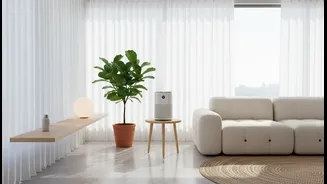
We spend around 90% of our time indoors, where air can be significantly more polluted than outside. This has made indoor air quality a cornerstone of the new wellness movement. It’s no longer just about opening a window; it’s about actively managing the air in our homes. Smart monitors can now track invisible threats like volatile organic compounds (VOCs) from furniture and paints, particulate matter (PM2.5), and excess carbon dioxide. When these monitors detect poor quality, they can automatically trigger whole-home air purifiers integrated into HVAC systems. These systems use advanced HEPA filters to capture allergens, dust, and other pollutants, which can significantly improve respiratory health, reduce allergy symptoms, and even lead to better sleep.
Let There Be (The Right) Light
Light has a profound effect on our biology, particularly our 24-hour internal clock, or circadian rhythm. For too long, our homes have been filled with static, harsh artificial light that tells our brain it's midday, even late at night. The most significant evolution here is circadian lighting. These smart lighting systems mimic the natural progression of the sun, shifting from cool, bright light in the morning to promote alertness, to a warm, soft amber glow in the evening to help the body wind down and prepare for sleep. Studies show that using warmer light (around 2200K) in the hours before bed can significantly reduce the suppression of melatonin, the hormone that governs sleep. This technology is now accessible through tunable smart bulbs and automated systems that adjust throughout the day without you ever having to touch a switch.
The Growing Importance of Acoustic Wellness
In our increasingly noisy world, the home is becoming a sanctuary for quiet. 'Acoustic wellness' is an emerging design trend focused on controlling how sound behaves within a space to reduce stress and improve focus. This goes beyond basic soundproofing. Architects and designers are now using materials that absorb and diffuse sound, preventing the echo-chamber effect of modern homes with hard surfaces. This includes using materials like cork, felted wool, and textured acoustic panels that double as art. Even soft furnishings like rugs and heavy curtains play a crucial role. The goal is to create rooms that allow the nervous system to relax, making the home a truly restorative place.
The Smart Home as a Health Hub
Tying all these elements together is the rise of the intelligent home. Smart home technology is no longer just for convenience; it's becoming a central part of managing a healthy living environment. Integrated systems can now monitor air and water quality, adjust lighting based on the time of day, and even manage temperature and humidity for optimal sleep. The home is transforming into a responsive ecosystem that anticipates our needs. Rather than a collection of separate gadgets, these technologies work together in the background, creating a home that quietly and automatically supports your well-being.