


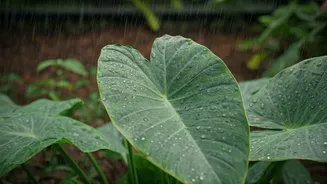
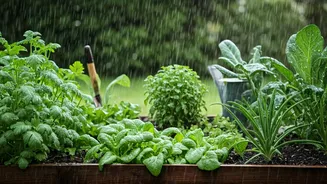


Nature’s Automatic Watering Can
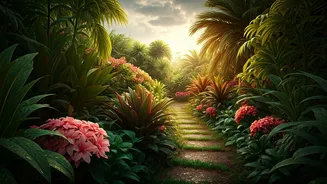
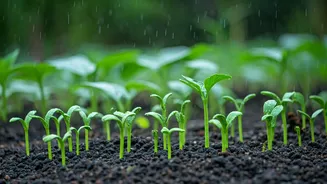
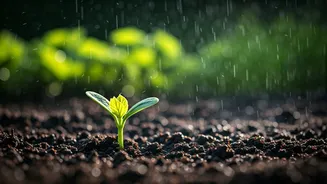
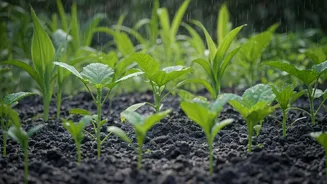
The most obvious benefit of monsoon planting is the free and consistent watering. The frequent rain ensures your soil remains moist, which is crucial for seed germination and the healthy development of young saplings. This natural irrigation saves you time
and effort, making it an ideal season for beginner gardeners. Furthermore, the increased humidity in the air creates a lush, greenhouse-like environment. This helps reduce water loss from plant leaves (a process called transpiration) and encourages vibrant, leafy growth. The overcast skies also mean less scorching sun, protecting delicate young plants from the intense heat stress they might face in the summer.
What to Plant: Your Monsoon List
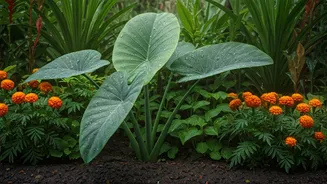
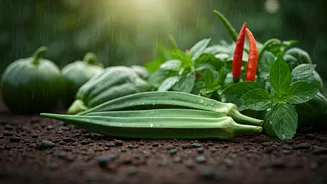
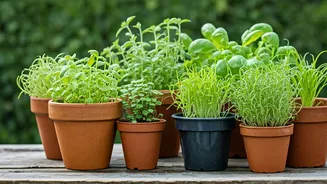
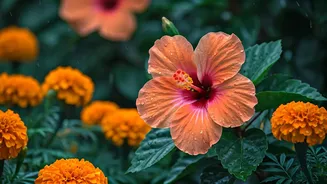
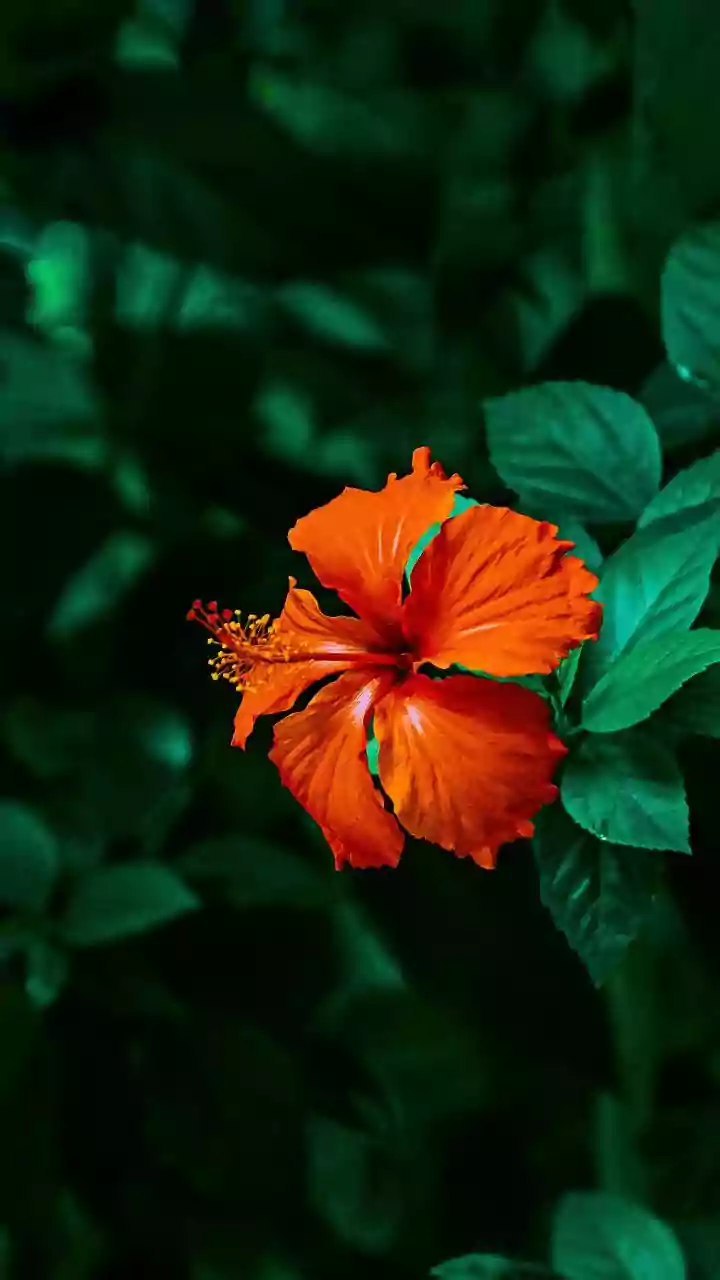
The rainy season is particularly generous to certain types of plants. For vegetables, this is the prime time for leafy greens and gourds. Consider planting spinach (palak), fenugreek (methi), and coriander (dhania). They grow quickly in the cool, moist conditions. It's also the perfect season for gourds like bottle gourd (lauki), ridge gourd (tori), and bitter gourd (karela), as well as okra (bhindi) and beans. If you’re more inclined towards flowers, the monsoon will reward you with brilliant colours. Marigolds (genda), balsam, cosmos, and zinnias are excellent choices. For those who love fragrant blooms, consider planting jasmine (mogra) or hibiscus; their growth explodes during this time. And don't forget herbs! A small pot of holy basil (tulsi), mint (pudina), or lemon balm will thrive on a rainy windowsill.
Prep Your Soil and Pots
Success in monsoon gardening hinges on one critical factor: drainage. While consistent moisture is good, waterlogged soil is a death sentence for most plants, leading to root rot. To prevent this, ensure your pots have plenty of drainage holes. You can even add a layer of gravel or broken pottery at the bottom before adding soil. The soil mix itself is also key. A heavy, clay-like soil will retain too much water. Opt for a lighter, well-draining potting mix. A good combination is equal parts garden soil, compost, and a material like coco peat or sand. This ensures the soil holds enough moisture for the roots but allows excess water to drain away freely, keeping the roots healthy and aerated.
Watch Out for Pests and Fungi
Unfortunately, the same conditions that help your plants thrive also create a welcoming environment for pests and fungal diseases. The high humidity can encourage fungal growth like powdery mildew on leaves. To combat this, ensure there's good air circulation around your plants; don't crowd them too closely together. Regularly inspect the undersides of leaves for common pests like aphids and mealybugs, which multiply rapidly in damp conditions. A simple, organic solution is to spray a mixture of neem oil and water on your plants every week or two as a preventative measure. This can help keep most common pests and fungal issues at bay without resorting to harsh chemicals.
Let the Sunlight In
While the sun isn't as harsh during the monsoon, plants still need sunlight for photosynthesis. Overcast days can be a challenge. Place your pots in a location that receives the maximum possible daylight, such as an east-facing balcony or window that gets the morning sun. If you notice your plants becoming 'leggy'—with long, thin stems and sparse leaves—it's a sign they are stretching to find more light. If possible, move them to a brighter spot, even if it's just for a few hours on less rainy days. Pruning a few lower leaves can also help light and air penetrate deeper into the plant, further reducing the risk of disease.