






First, Master the Calendar
India’s festival circuit is a year-round affair, spread across diverse climates and terrains. Your planning shouldn't start a month before, but with a bird's-eye view of the entire year. The first step is to create a festival calendar. Think of it as
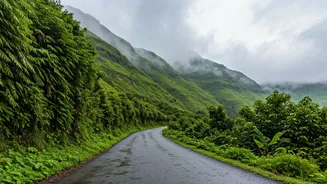
your personal roadmap to music and adventure. The season kicks off around September with the misty, magical Ziro Festival of Music in Arunachal Pradesh, a region known for its unpredictable monsoon showers. As the year cools, the desert calls: Magnetic Fields in Alsisar, Rajasthan, and the massive Sunburn festival in Goa typically take place in December, offering cool, dry weather. Early in the year, you might find festivals like VH1 Supersonic in Pune. Come winter, the Hornbill Festival in Nagaland (early December) offers a cultural spectacle alongside music, but with chilly nights. By mapping these out, you can see potential clashes, plan your leave from work, and start budgeting for tickets and travel. This foresight transforms frantic, last-minute booking into a strategic, exciting countdown.
The Art of the All-Weather Pack
The “raincoat” in the headline is both literal and metaphorical. It represents preparing for the elements, whatever they may be. Packing for Ziro is vastly different from packing for Sunburn. For the former, a high-quality, lightweight raincoat is non-negotiable, along with waterproof boots for the inevitable mud. For a desert festival like Magnetic Fields, the days can be warm but the nights are bitingly cold; layers are your best friend. Think thermal wear, a warm jacket, and a beanie. For a beach festival in Goa, it’s all about breathable fabrics, sunscreen (lots of it), a wide-brimmed hat, and sunglasses. But the universal packing list exists. Every festival-goer needs a durable, comfortable pair of shoes you don’t mind getting ruined. A portable power bank is a modern-day lifeline. A reusable water bottle will keep you hydrated and is more sustainable. Also, pack a small first-aid kit with basics like band-aids, pain relievers, and any personal medications. Smart packing isn't about bringing everything; it's about bringing the right things.
Logistics: The Unseen Headliner
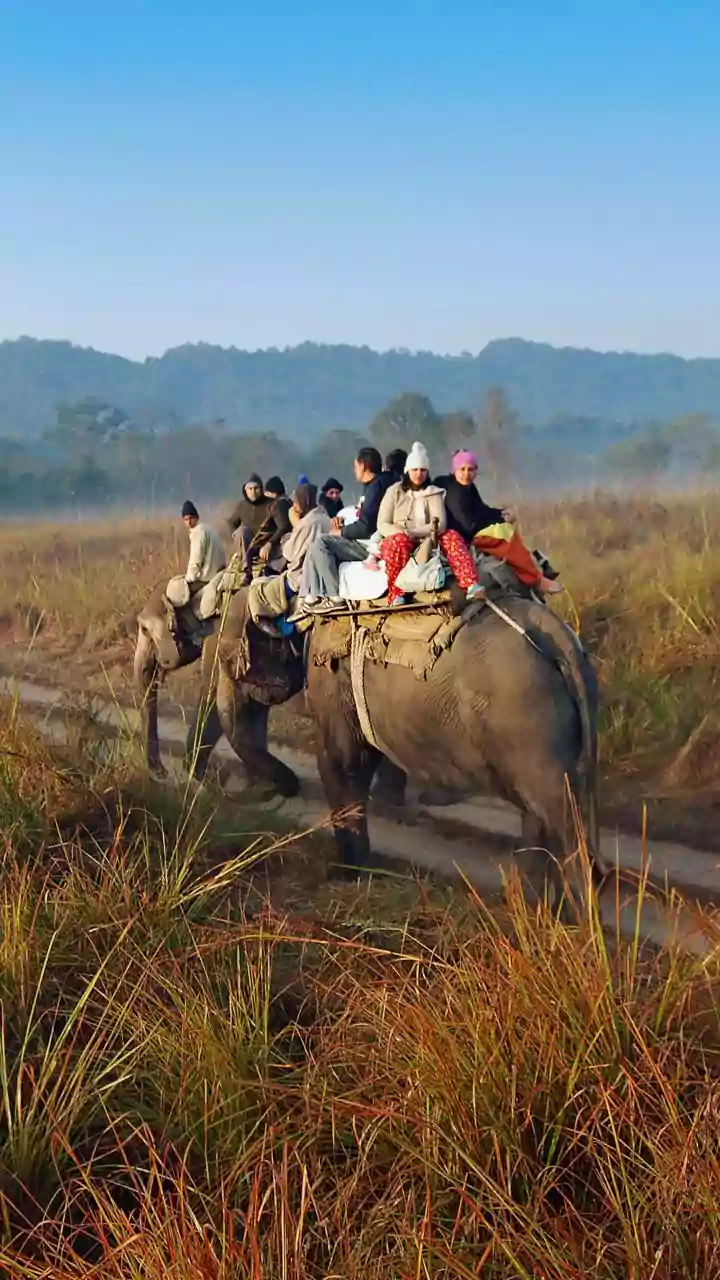
The most incredible lineup means nothing if you can’t get there. For many of India's most iconic festivals, the journey is part of the adventure—and the challenge. Festivals in remote locations like Ziro or Alsisar require multi-step travel plans. Flights to the nearest major airport, followed by long taxi rides or bus journeys, are common. This is where your calendar comes in handy again. Booking flights and trains months in advance is crucial, as prices skyrocket and seats vanish closer to the date. The same goes for accommodation. While some festivals offer on-site camping, which is an experience in itself, these spots are limited. Nearby hotels and homestays get booked out far ahead of time. Create a spreadsheet to track your bookings: tickets, flights, local transport, and lodging. Share it with your group. This simple organisational tool can prevent a world of stress, ensuring your festival experience starts on a high note, not with a frantic search for a place to stay.
Surviving and Thriving On-Site
Once you’re through the gates, a different kind of planning begins. Before you rush to the main stage, get your bearings. Locate the water stations, first-aid tents, toilets, and food stalls. Set a designated meeting point for your group in case you get separated and phone networks are congested (which they often are). Budgeting is also key. Festival food and drinks can be expensive. Set a daily budget to avoid a nasty surprise at the end of the weekend. Carry a mix of cash and digital payment options, as connectivity can be patchy. Finally, pace yourself. A three-day festival is a marathon, not a sprint. Stay hydrated, get enough sleep if you can, and don’t feel pressured to see every single act. Sometimes the best moments are found simply sitting on the grass, soaking in the atmosphere.