







Your Gut's Internal Clock
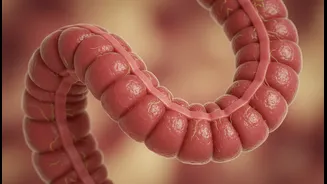
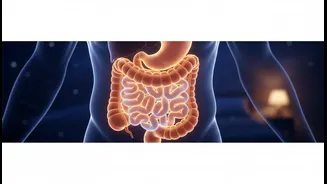
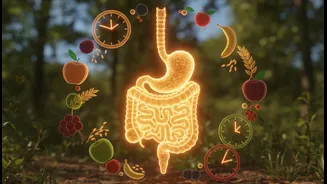
Our bodies operate on a 24-hour internal clock known as the circadian rhythm. This rhythm doesn't just manage sleep; it also governs hormone production, metabolism, and, critically, digestion. Your digestive system, including the trillions of microbes
in your gut, has its own daily rhythm. It is most active and efficient during daylight hours, primed to break down food and absorb nutrients. At night, as your body prepares for rest, your digestive system slows down considerably. Eating a large meal late in the evening forces it to work overtime when it’s meant to be resting, which can lead to issues like indigestion, bloating, and poor sleep.
Why Midday is a Digestive Sweet Spot
Making lunch your largest meal aligns with your body's natural peak digestive power. Around noon, your stomach produces digestive enzymes at optimal levels, and your gut is most prepared to handle a substantial intake of food. This concept, known as chrononutrition, suggests that synchronizing meals with our internal clocks can lead to significant health benefits. Research indicates that front-loading calories earlier in the day can improve insulin sensitivity, support better blood sugar control, and enhance metabolic function. By giving your body the bulk of its fuel when it's best equipped to use it, you support efficient digestion and energy production, rather than fat storage.
Building Gut Health Resilience
So, what is gut resilience? It's the ability of your gut microbiome to withstand and recover from disturbances, whether from stress, poor diet, or illness. A resilient gut has a diverse and stable community of beneficial bacteria. Meal timing plays a key role here. Inconsistent eating patterns and late-night meals can disrupt the gut microbiome's natural rhythms, potentially weakening the gut barrier and increasing inflammation. By shifting your main meal to midday, you provide a consistent, predictable schedule that helps stabilize your gut bacteria. This strengthens the gut barrier, reduces the risk of inflammation, and promotes a healthier, more diverse microbiome capable of bouncing back from challenges.
How to Make the Midday Shift
Transitioning to a lunch-centric eating pattern doesn't have to be drastic. Start gradually. For a week, try slightly increasing the size of your lunch while making your dinner a bit smaller. Pay attention to how you feel. Planning is also essential. To avoid grabbing unhealthy options, prepare balanced lunches ahead of time. Aim for a mix of lean protein, complex carbohydrates, healthy fats, and plenty of vegetables to keep you full and energized through the afternoon. You might also notice you feel less hungry in the evening. Some studies show that people who eat their largest meal earlier report greater satiety throughout the day, which can help prevent late-night snacking.
A Lighter Evening for Better Rest
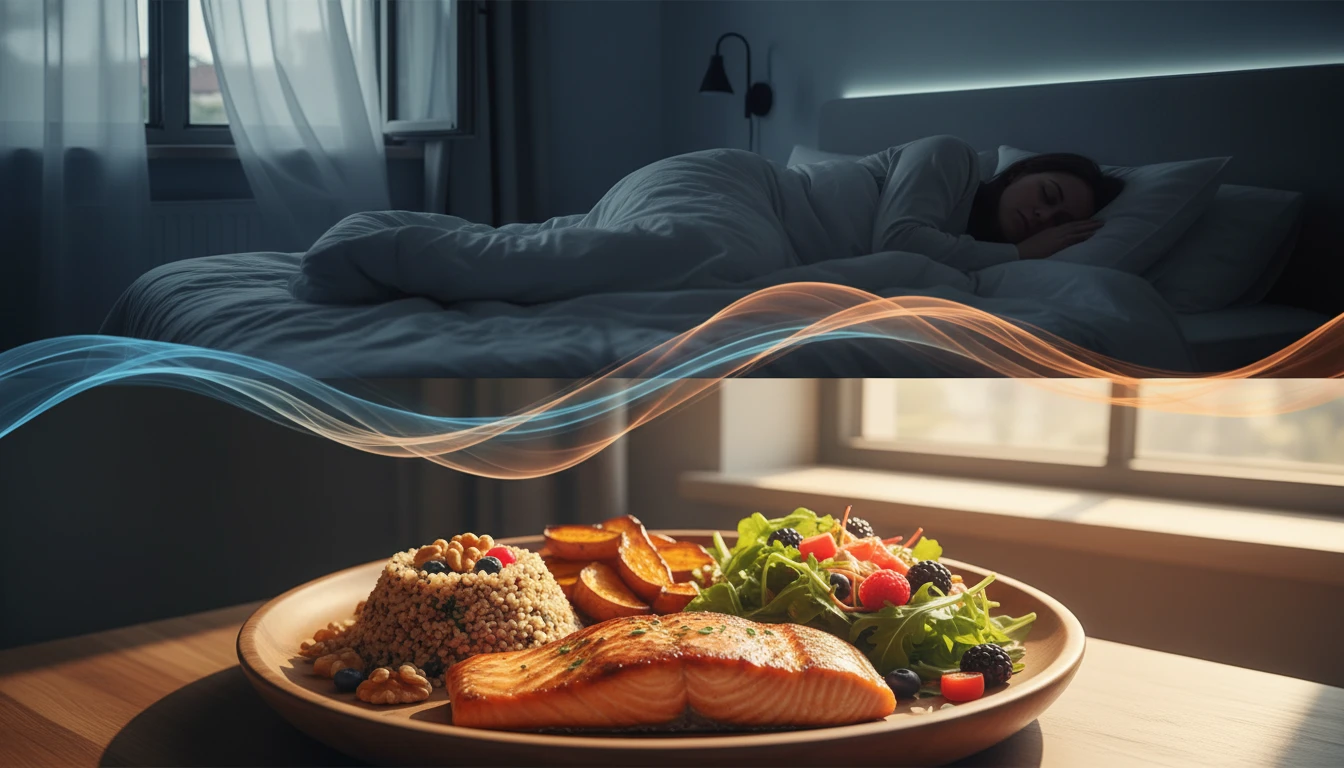
One of the most immediate benefits of a smaller dinner is improved sleep quality. A heavy meal close to bedtime can cause acid reflux and discomfort, disrupting your sleep cycle. A lighter supper—think a bowl of soup, a small portion of fish with steamed vegetables, or a substantial salad—is easier for your resting digestive system to handle. This allows your body to focus on its crucial overnight repair and regeneration processes, rather than on digesting a large meal. Finishing your last meal at least two to three hours before going to bed is a great rule of thumb to give your digestive system enough time to wind down.