






Step 1: Conduct a Full Wardrobe Audit
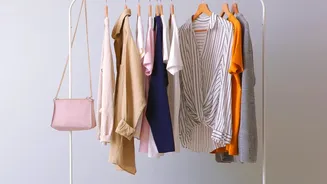
First, you need to see everything you own. Pull every single piece of clothing, including shoes and accessories, out of your closet and drawers. It might seem chaotic, but this is the only way to get a true inventory. As you go, sort items into three
piles: 'love and wear often', 'don't like or never wear', and 'maybe'. Be ruthless with the 'don't like' pile; if an item is damaged, doesn't fit, or makes you feel anything less than great, it's time for it to go. This initial edit clears the noise and helps you see the foundation you’re working with.
Step 2: Define Your Personal Style
Look at your 'love' pile. What do these items have in common? Are they classic, bohemian, professional, or casual? Do you see recurring silhouettes, fabrics, or fits? Your goal isn't to fit into a pre-defined style box but to identify what you genuinely feel good in. This collection of your favorite pieces is the most reliable evidence of your true personal style. Use it to create a mental blueprint for the wardrobe you're about to build. This ensures your final capsule feels authentic to you, not like a generic checklist.
Step 3: Establish a Cohesive Colour Palette
A successful capsule wardrobe is built on a harmonious colour palette, which makes mixing and matching effortless. Look at your 'love' pile again. Identify two to three core neutral colours that appear most often, such as black, navy, charcoal, beige, or white. These will be the backbone of your wardrobe. Then, select one to three accent colours—shades that bring you joy and complement the neutrals. Sticking to this palette of about six to nine shades in total is the secret to creating countless outfits from a limited number of pieces.
Step 4: Select Your Core Items
Now, it’s time to 'shop your closet' for the workhorses of your new wardrobe. Using your style guide and colour palette, pull from your 'love' pile to select your core items. These are versatile basics that form the foundation of most outfits. A typical capsule might include 8-10 tops, 5-6 bottoms (like jeans, trousers, and skirts), a few layering pieces like sweaters or a blazer, and a couple of dresses or jumpsuits if they suit your lifestyle. The key is versatility; each piece should be able to work with at least three other items in your capsule.
Step 5: Add Accent and Seasonal Pieces
Once your core is set, you can add personality with accent pieces. These are the items that make your style unique—think printed blouses, a statement jacket, or colourful accessories that fit within your chosen palette. Also, consider your climate and lifestyle needs. Your capsule should be practical. If you live in a cold climate, you'll need more outerwear and knits. If you work in a formal office, you'll need more tailored pieces. Separate your clothes by season if that makes the process feel more manageable.
Step 6: Manage the 'Maybe' Pile
The 'maybe' pile can be the hardest to deal with, as it's often full of sentimental items or 'what if' pieces. Instead of making a final decision now, box them up and store them out of sight for a month or two. If you don't find yourself missing or needing any of those items during that time, it's a clear sign you can let them go. Another popular trick is the hanger method: put the maybes back in your closet with the hangers facing the wrong way. After a few months, any hanger you haven't turned around is holding an item you don't actually wear.
Step 7: Assemble and Style Your Capsule
With your final selections made, it's time to put everything back in an organized way. Arrange your capsule so you can see what you have, perhaps grouping items by category and then by colour. The real magic happens when you start creating outfits. Challenge yourself to mix and match pieces to see how many combinations you can create. You’ll likely be surprised at how a small, curated collection of 25-40 pieces can generate more wearable outfits than a closet three times its size.