




Why the Monsoon is a Deceptive Season for Plants
Many assume the rainy season is a blessing for all greenery, but for indoor plants, it presents unique challenges. The primary issue is a combination of high humidity and reduced sunlight. With so much moisture in the air, water evaporates very slowly
from the potting soil. Simultaneously, overcast skies mean less light for photosynthesis, the process through which plants use water. This slowdown in water usage, coupled with soil that stays wet for longer, creates the perfect storm for waterlogged roots. The roots, unable to breathe, begin to suffocate, leading to a condition commonly known as root rot.
Spotting the Danger Signs of Overwatering
Overwatering and underwatering can sometimes look similar, but a key difference is the feel of the soil. If your plant is drooping but the soil is damp, you’re likely overwatering. Look out for specific distress signals. The most common sign is leaves turning yellow, especially lower ones, that feel soft or mushy rather than dry and crisp. Other indicators include a musty or foul odour emanating from the soil, the presence of mould on the soil surface, or a sudden swarm of tiny fungus gnats, which thrive in moist conditions. In severe cases, the base of the plant's stem may feel soft and squishy to the touch, a clear sign that root rot has set in.
The Golden Rule: Check Before You Water
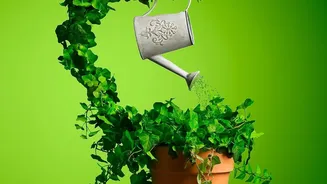
Ditch the rigid watering schedule during the monsoon. The single most important habit to adopt is checking the soil moisture before you even think about grabbing the watering can. The 'finger test' is your most reliable tool: insert your finger about one to two inches into the soil. If it feels dry at that depth, it’s time to water. If you feel any moisture, wait another day or two and check again. This simple practice prevents you from adding water to already saturated soil, which is the number one cause of overwatering.
Your Monsoon-Proof Plant Care Guide
Adapting your routine is key to helping your plants navigate the rainy season. First, ensure your pots have drainage holes; this is non-negotiable. If you use decorative outer pots without holes, make sure to empty any collected water from the saucer after watering. Second, improve air circulation. Placing a small fan near your plants for a few hours or opening a window can help the soil dry out faster and prevent fungal growth. Third, consider your potting mix. A well-draining mix, often containing perlite or coarse sand, is crucial during the humid months. Finally, since plants grow more slowly with less light, reduce or pause fertilising until the sunny weather returns.
Emergency Rescue for a Waterlogged Plant
If you suspect you've already gone too far, don't panic. For mild cases, stop watering immediately, move the plant to a spot with bright, indirect light, and improve air circulation to help the soil dry out. If the soil is completely waterlogged or you suspect root rot (indicated by a foul smell), more drastic action is needed. Gently remove the plant from its pot and inspect the roots. Healthy roots are typically firm and white, while rotten roots will be brown, black, and mushy. Using clean scissors, trim away all the damaged roots. Repot the plant in fresh, dry, well-draining soil in a clean pot. Give it time to recover before you resume a more cautious watering routine.