

Bottle Gourd (Lauki)
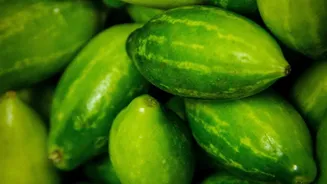
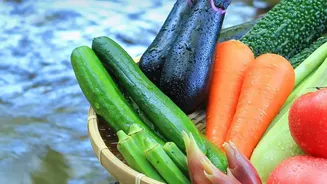
Often considered a humble vegetable, bottle gourd is a powerhouse of nutrients and one of the healthiest vegetables to consume during the monsoon. Rich in water, it's incredibly hydrating and easy on the digestive system, which tends to be weaker during this
season. Its high fibre content aids digestion, while its iron, vitamin B, and vitamin C content provide antioxidant benefits. Lauki is extremely versatile and is a staple in Shravan fasting meals, often prepared as a simple sabzi with minimal spices or as a comforting soup, perfectly aligning with sattvic eating principles.
Corn (Bhutta)
For many, the monsoon season is incomplete without roasted corn on the cob, and for good reason. Bhutta is a seasonal delight that is both delicious and nutritious. It is a good source of fibre, which supports gut health, a key consideration when the risk of digestive issues is higher. Corn is also packed with B vitamins and antioxidants that help protect the body's cells from damage. Whether roasted over coals and seasoned with rock salt and lime or boiled, corn makes for a satisfying and healthy snack during Shravan evenings.
Jamun (Java Plum)
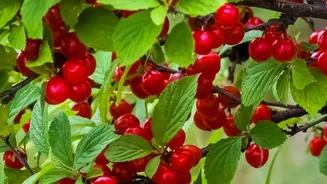
The deep purple Jamun is a quintessential monsoon fruit that appears just when it's most needed. It is celebrated for its ability to regulate blood sugar levels, making it a beneficial fruit for many. Rich in vitamin C and iron, jamun helps in boosting immunity and improving blood circulation. During Shravan, when digestive health is a priority, jamun is known to help with common stomach ailments. Its slightly astringent and sweet taste makes it a refreshing fruit to be eaten on its own.
Gourds (Turai and Parwal)
Alongside bottle gourd, other varieties like ridge gourd (turai) and pointed gourd (parwal) are at their seasonal peak. These vegetables are light, full of nutrients, and easy to digest, which makes them ideal for monsoon meals. Turai is rich in dietary fibre and Vitamin C, helping with digestion and skin health. Parwal, another common vegetable in Shravan cooking, is also nutrient-dense. Both absorb flavours well, making them suitable for simple, sattvic preparations without onion or garlic.
Sweet Potato (Ratali)
Sweet potato, or ratali, is a staple fasting food for a reason. It's a complex carbohydrate that provides sustained energy, which is crucial during fasting periods. It can be prepared in numerous ways—roasted, boiled, or mashed—and its natural sweetness is satisfying. Often eaten simply boiled with a sprinkle of rock salt (sendha namak) and a squeeze of lemon, it is a filling and nourishing option that aligns perfectly with the dietary customs of Shravan.
Amaranth Leaves (Rajgira Bhaji)
While many leafy greens are avoided during the monsoon due to the risk of contamination, amaranth leaves are a notable exception when cleaned properly. Rajgira bhaji is particularly valuable during Shravan, especially for those avoiding meat, as it is one of the most iron-rich greens available. A simple stir-fry with green chillies and coconut can provide a significant boost of iron, calcium, and vitamins, helping to compensate for nutrients missed from other food groups.